China Boosts Global Flight Network for Winter-Spring Season
China's civil aviation sector launched its winter-spring schedule on 25 October, introducing 16,654 international passenger flights weekly to 84 countries amidst growing cross-border travel demand.
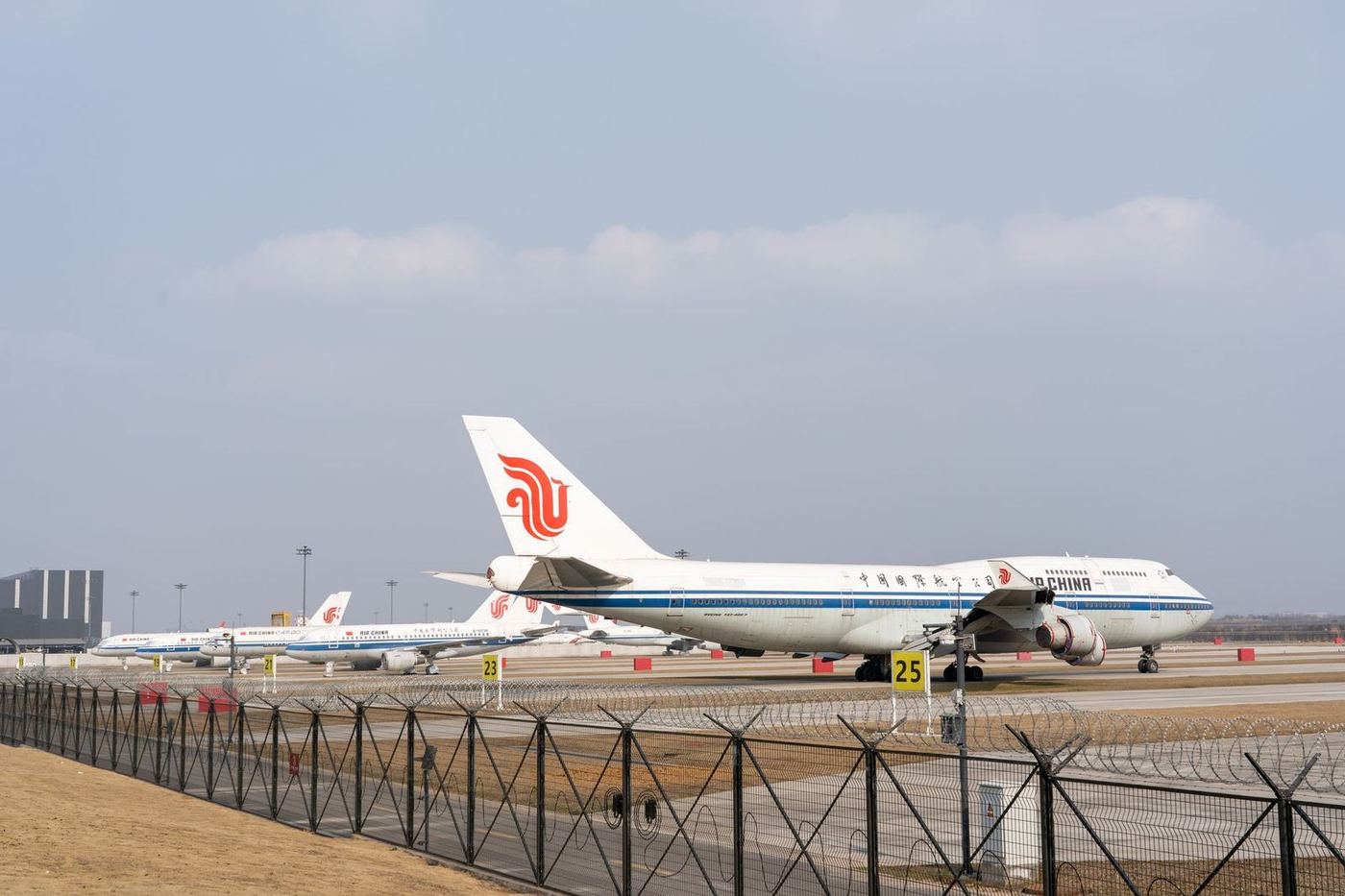
Expanded International Connectivity
China's civil aviation sector initiated its winter-spring flight schedule on 25 October 2026, marking a significant expansion of its international services. This new schedule, effective until 27 March 2027, includes 16,654 international passenger flights operating weekly.
These services connect China with 84 countries globally, a move by the Civil Aviation Administration of China (CAAC) to meet increasing demand for cross-border travel. The expansion involves both the addition of new routes and increased frequencies on existing services, enhancing China's aviation links across multiple continents.
Regional Growth and New Destinations
Flight frequencies have seen an uptick across several key regions compared to the previous year, including Central Asia, South Asia, North America, Europe, Southeast Asia, and Latin America. The CAAC reported that services between China and 17 countries, among them Kazakhstan, India, Canada, and Belgium, have increased by over 40 percent.
Furthermore, Chinese and foreign airlines are set to introduce scheduled passenger services to Iceland, Madagascar, and Jordan, adding eight new international destinations to China's aviation network. This growth reflects a broader strategy to diversify and strengthen global air links.
Airline and Airport Developments
Major Chinese carriers and airports are at the forefront of this expansion. Air China, the national carrier, is launching new routes from Beijing to Reykjavik, Iceland, via Copenhagen, as well as direct services from Beijing to Bali, Indonesia, and Chengdu to Hanoi, Vietnam.
The airline is also increasing frequencies on more than 20 international routes, including those to Sydney, Melbourne, and Auckland. China Southern Airlines is adding services from Guangzhou to Jeju Island, South Korea, and Langkawi, Malaysia, alongside boosting flights to Australia and New Zealand for the Southern Hemisphere's summer travel season.
Beijing Capital International Airport anticipates handling an average of 252 international and regional passenger flights daily, an increase of 39 compared to a year earlier, while Beijing Daxing International Airport plans to serve 44 international and regional destinations with approximately 105 daily movements.
Rising Demand and Domestic Connections
The expansion comes amid strong indicators of rising travel demand. Passenger flights between China and 15 significant inbound tourism markets, including Singapore and Malaysia, have increased by 14.4 percent year-on-year, according to the CAAC.
Umetrip, an aviation travel platform, noted that scheduled outbound flights for the new season have risen by over 12 percent year-on-year, with inbound flights up approximately 13 percent.
As of Wednesday, bookings for flights scheduled between 25 October and 30 November had reached about 3.2 million for outbound and 3.08 million for inbound travel, both showing an approximately 10 percent increase from a year earlier.
Domestically, 34 airlines plan to introduce 288 new routes, many connecting western and northeastern Chinese cities with major economic centres, alongside a surge in bookings to winter tourism destinations like Yanji (up over 90 percent year-on-year) and Altay (up about 30 percent).
Implications for Asia-Pacific Travellers
This extensive expansion of China's international flight network directly benefits travellers across the Asia-Pacific region. The increased frequencies and new routes to destinations such as Bali, Hanoi, Jeju Island, Langkawi, Sydney, Melbourne, and Auckland mean more choices and potentially more competitive pricing for both leisure and business travel.
For countries like Singapore and Malaysia, which have already seen a 14.4 percent year-on-year increase in passenger flights with China, the continued growth suggests further opportunities for tourism and trade.
The enhanced connectivity facilitates easier access to Chinese cities for inbound tourism and offers Asian travellers more convenient options for exploring a wider range of global destinations.
Get The Post.
The global travel stories that matter, three mornings a week. Free.


