Delta Air Lines Resumes Tokyo Narita Service from Seattle
Delta Air Lines will resume daily flights between Seattle-Tacoma and Tokyo Narita International Airport in March 2027. This marks a strategic shift from its previous Haneda-only Tokyo operations.
New Narita Service Announced
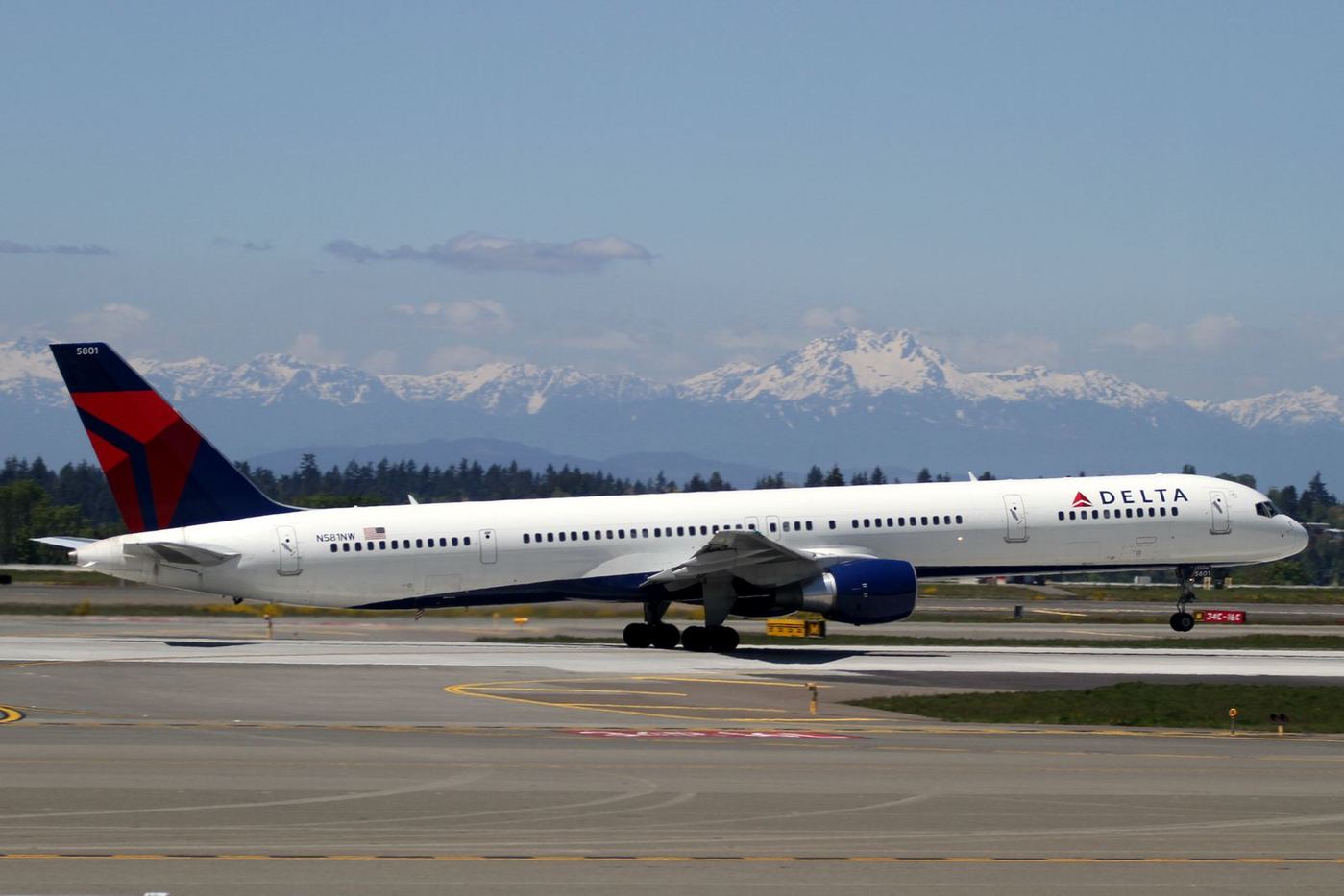
Delta Air Lines announced new daily non-stop flights between Seattle-Tacoma International Airport (SEA) and Tokyo Narita International Airport (NRT). Service will commence on 27 March 2027. An Airbus A330-900neo aircraft will operate the route.
This addition represents a strategic pivot for Delta, which had previously focused all its Tokyo services on Haneda Airport (HND) since 2020. Seattle functions as Delta's primary transpacific hub. The airline already operates daily non-stop flights between Seattle and Haneda using an Airbus A350-900.
The decision to add Narita service allows Delta to expand its presence in the constrained Tokyo market. This move comes after six years of operating solely from Haneda. It signals a shift in Delta’s long-haul network strategy for Asia.
Delta's Tokyo Operational History
Delta's previous involvement with Tokyo Narita dates back to its 2008 merger with Northwest Airlines. This acquisition included a significant hub at Narita. Narita offered multiple flights to US cities and an extensive intra-Asia network. However, financial returns were limited. Delta subsequently developed Seattle as its main transpacific hub to serve Asia directly from the US.
Its metal-neutral joint venture with Korean Air then directly replaced the Narita hub's role. Delta gradually reduced its Narita operations throughout the 2010s. Japan's opening of Tokyo Haneda Airport for international flights offered a new strategic opportunity. Haneda is generally preferred due to its closer proximity to Tokyo’s city centre.
Delta eventually secured sufficient slots at Haneda. This led to its complete exit from Narita in 2020, consolidating all Tokyo flights there.
Competitive Landscape and Strategy
Delta's return to Narita highlights the competitive dynamics in the transpacific market. Tokyo Haneda Airport faces slot constraints, limiting Delta's expansion options there. While Haneda commands stronger fares for Tokyo-bound travel, Narita offers growth potential. Delta's rivals, including American Airlines and United Airlines, already serve both Tokyo airports.
American Airlines partners with Japan Airlines, while United Airlines partners with All Nippon Airways. These joint ventures allow them to coordinate fares and schedules. They use Haneda primarily for local travel and domestic connections. Narita serves as a connecting hub for international flights within Asia for these partnerships.
Delta's transpacific joint venture partner is Korean Air. This means Tokyo functions as a spoke within Delta's network. Its flights rely on direct demand to and from Tokyo. This differs from rivals, who can fill planes with onward Asian travellers.
Implications for Delta and Travellers
The reintroduction of Narita service allows Delta to increase its overall capacity to Tokyo. This addresses the limitations posed by Haneda's slot scarcity. By operating flights to both airports, Delta offers travellers more options for reaching the Tokyo region. However, Haneda remains the preferred airport for passengers due to its city centre accessibility.
Delta's strategy differs from its competitors, who leverage their Japanese joint ventures for broader Asian connectivity via Narita. Delta's direct demand model means it must attract more Tokyo-originating or destined passengers. This move also reinforces Seattle's role as Delta's transpacific gateway.
It demonstrates the airline's commitment to expanding its global network, even in complex, slot-constrained markets. Industry observers will watch how this dual-airport strategy impacts Delta's market share and profitability in the competitive Tokyo corridor.
Get The Post.
The global travel stories that matter, three mornings a week. Free.