Delta Air Lines 737 Diverts to Vegas After Depressurisation
A Delta Air Lines Boeing 737 on a flight from Los Angeles to Salt Lake City executed an emergency diversion to Las Vegas on Sunday evening, 7 September 2026, after the aircraft experienced depressurisation at 35,000 feet, prompting oxygen masks to deploy for 181 passengers and crew.
Mid-Air Incident Prompts Rapid Descent
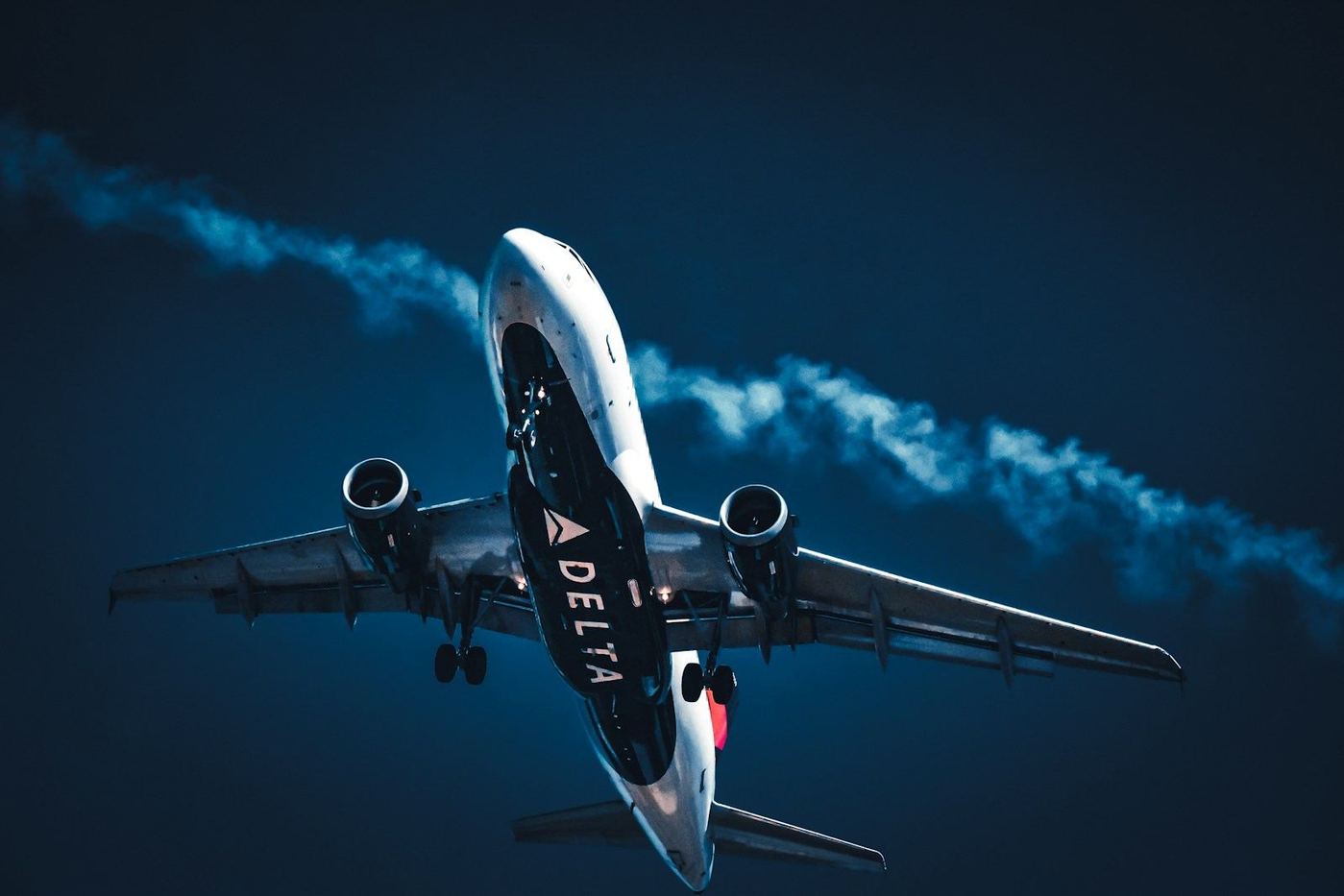
Delta Air Lines flight DL-2311, a Boeing 737 operating from Los Angeles International Airport (LAX) to Salt Lake City International Airport (SLC), diverted to Harry Reid International Airport (LAS) in Las Vegas on Sunday evening, 7 September 2026.
The 14-year-old aircraft, registered N934DZ, encountered a depressurisation event while cruising at 35,000 feet over the Mojave Desert. This incident caused oxygen masks to drop from the ceiling panels throughout the cabin, requiring the 181 passengers and crew aboard to secure them quickly.
Pilots in the cockpit immediately donned their full-face oxygen masks, which include built-in microphones, before declaring an emergency with Las Vegas air traffic control. Communications captured by an ATC application show one pilot stating, “Delta 2311, currently rapid descent, we’d like to descend to 9,000 [feet],” confirming the deployment of masks throughout the aircraft.
Pilots Execute Emergency Procedures
Following the depressurisation, the flight crew initiated a rapid descent, a procedure where the aircraft quickly reduces altitude to reach a breathable air level without supplemental oxygen.
The Federal Aviation Administration (FAA) states that passengers and crew have between 30 and 60 seconds to put on an oxygen mask before hypoxia begins to affect their consciousness and motor skills. This critical timeframe underscores the necessity for immediate action.
Flight attendants are trained to secure their own masks first, then strap into their seats, anticipating a rapid descent. Delta Air Lines issued a statement regarding the incident, confirming that the flight crew of DL-2311 followed established training and procedures to safely bring the aircraft to an optimal altitude after the unexpected pressurisation issue. The airline apologised to customers and commended the professionalism of its flight crews and ground support teams.
Previous Pressurisation Concerns for Delta 737s
This event is not the first time a Delta Boeing 737 has faced pressurisation issues. In August 2025, a passenger filed a lawsuit against Delta Air Lines, alleging permanent hearing loss following a cabin pressurisation malfunction on a flight from Salt Lake City to Portland.
In that instance, oxygen masks did not deploy because the aircraft was below the 14,000-foot altitude threshold at which they are designed to activate, as the problem occurred shortly after take-off. Historically, failures in cabin pressurisation systems have led to severe consequences.
A notable example is Helios Airways flight 522 in August 2005, where a Boeing 737-300 crashed near Marathon, Greece, killing all 121 people on board. Investigations revealed that the pressurisation system was left in manual mode after maintenance and was not detected by the pilots, leading to crew incapacitation from hypoxia.
Implications for Airline Operations and Passenger Safety
The latest Delta Air Lines incident highlights the ongoing importance of rigorous aircraft maintenance and crew training in managing critical in-flight emergencies.
While the crew's swift response ensured the safety of flight DL-2311, the recurrence of pressurisation issues on Delta's Boeing 737 fleet, including the August 2025 lawsuit, may prompt increased scrutiny from regulators and passengers.
Airlines must ensure that all aircraft systems, particularly those vital for cabin air quality and pressure, undergo thorough and regular checks to prevent similar occurrences. For travellers, these events reinforce the importance of understanding and following pre-flight safety briefings, particularly regarding the correct use of oxygen masks during an emergency descent. The industry will closely monitor any further actions by Delta or aviation authorities following this latest incident.
Get The Post.
The global travel stories that matter, three mornings a week. Free.