Delta Air Lines Reinstates Tokyo Narita Service from Seattle in 2027
Delta Air Lines will resume daily direct flights between Seattle and Tokyo Narita Airport from March 2027. This move re-establishes a key route after seven years, complementing existing Tokyo Haneda services.
Delta Returns to Tokyo Narita
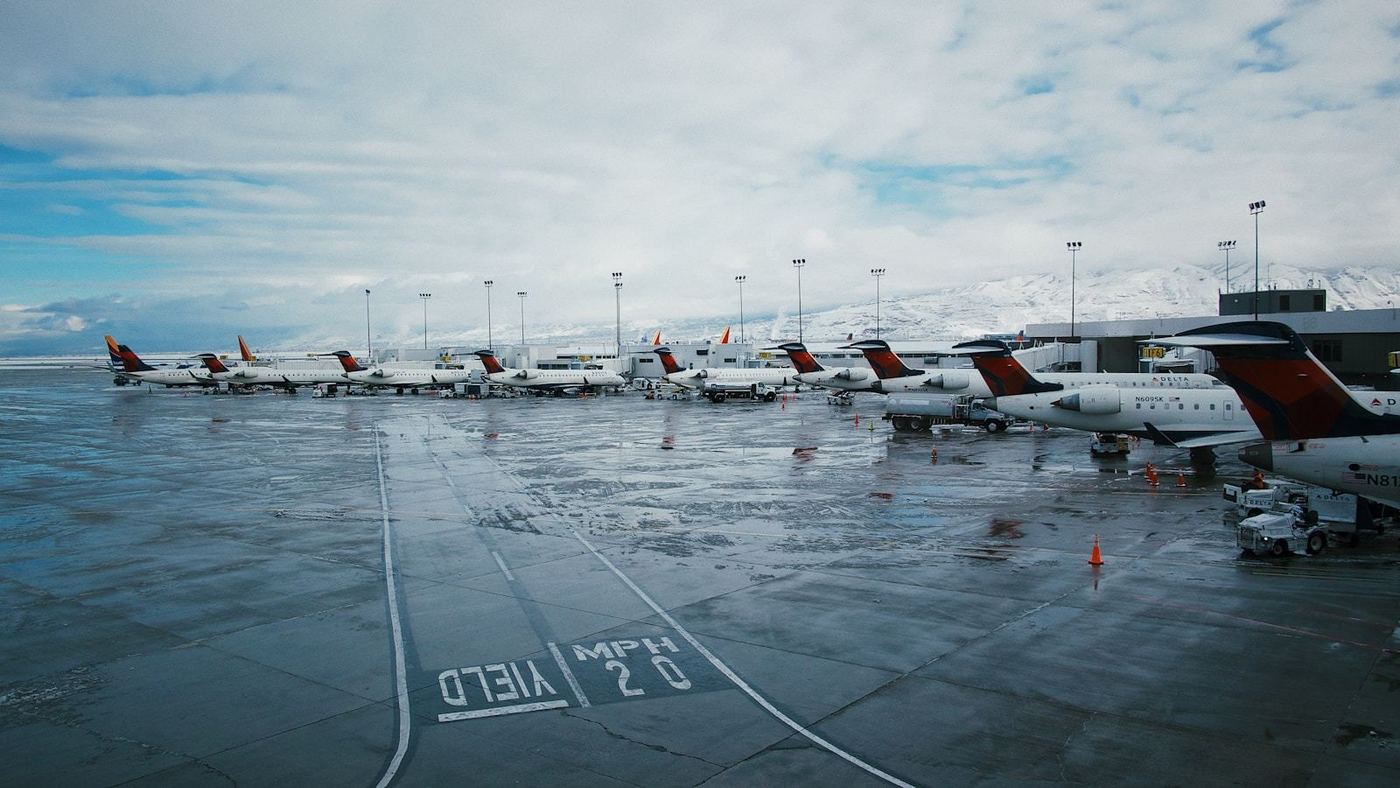
Delta Air Lines will reinstate daily non-stop flights from Seattle-Tacoma International Airport (SEA) to Tokyo Narita Airport (NRT). Services are scheduled to commence on March 27, 2027. This marks the carrier's return to Narita after a seven-year absence, following the suspension of its flights during the early COVID-19 pandemic period.
The re-established route will complement Delta's existing operations to Tokyo Haneda Airport (HND). This dual-airport approach aims to provide travellers with expanded access and flexibility when visiting Japan. Jeff Arinder, Delta’s vice president of international network planning, stated that Japan holds a crucial position in the airline’s global network.
He noted the Seattle-Narita service will offer customers additional options for planning their journeys. The airline will deploy an Airbus A330-900neo aircraft on this route.
Historical Context and Strategic Shift
Narita Airport previously served as a central hub for Delta's Pacific operations throughout the early 2010s. Its historical significance for the airline extends further, linked to the extensive network once operated by Northwest Airlines, which Delta acquired in 2008. Delta maintained non-stop Narita services from the United States.
It also operated "fifth-freedom" flights from Narita to various destinations across Asia and the South Pacific, including Manila, Singapore, Guam, Shanghai, and Taipei. However, over the past decade, Delta gradually reduced its Narita presence. The airline instead prioritised expanding its services at Haneda Airport, which offers closer proximity to Tokyo's city centre.
Concurrently, Delta deepened its alliance with Korean Air and focused on Seoul’s Incheon Airport (ICN) as another key Asian gateway. The current return to Narita reflects a renewed strategic interest in the airport.
Operational Details and Pacific Expansion
The reinstated Seattle-Narita service will utilise an Airbus A330-900neo aircraft. This modern wide-body jet features a multi-class cabin configuration. It includes 29 Delta One suites, offering a premium travel environment. Additionally, there are 28 Delta Premium Select seats, providing an enhanced economy experience.
The aircraft also accommodates 56 passengers in Delta Comfort, which offers extra legroom. The main economy cabin comprises 168 seats. This route expansion aligns with Delta's broader strategy of strengthening its Pacific network. Earlier this summer, the airline announced new non-stop Manila service from Los Angeles International Airport (LAX), set to launch in 2027.
Furthermore, in June this year, Delta commenced flights to Hong Kong from its LAX hub. These additions collectively bolster Delta's trans-Pacific connectivity.
Market Dynamics and Traveller Considerations
The reintroduction of Delta’s Seattle-Narita route intensifies competition on this trans-Pacific corridor. Alaska Airlines, a significant competitor based in Seattle, already operates its own non-stop service between Seattle and Narita. Alaska Airlines uses a Boeing 787-9 Dreamliner for this route.
For travellers, the choice between Tokyo Narita and Tokyo Haneda involves distinct considerations. Narita Airport is situated further from central Tokyo compared to Haneda. However, Narita offers a wide array of international connections. Regarding lounge access, Delta does not operate a Sky Club at Narita.
Passengers flying Delta from NRT can instead use the Korean Air Lounge, available through Delta’s SkyTeam alliance partnership. Haneda Airport hosts Delta's sole lounge facility outside the United States.
Outlook for Travellers and Industry
This expansion by Delta Air Lines demonstrates increased capacity and competition on key routes to Japan. For travellers, the resumption of Seattle-Narita flights provides additional direct flight options and potentially more competitive pricing for travel to Tokyo.
The dual-airport strategy allows Delta to serve different traveller preferences, with Haneda offering city proximity and Narita providing broader international connectivity. Industry observers will monitor how this increased competition affects load factors and pricing strategies for all carriers operating between the US West Coast and Tokyo.
This move also highlights Delta’s continued investment in its trans-Pacific network, building on recent route announcements from Los Angeles to Manila and Hong Kong. The full impact on market share and alliance strategies will become clearer as the March 2027 launch date approaches.
Get The Post.
The global travel stories that matter, three mornings a week. Free.