Delta Airlines Reinstates Narita-Seattle Nonstop Flights After Seven Years
Delta Airlines will resume daily direct flights between Seattle-Tacoma International Airport and Tokyo's Narita Airport from March 27, 2027, re-establishing a key trans-Pacific route after a seven-year hiatus.
Delta Re-establishes Direct US-Narita Service
Delta Airlines is set to reinstate daily direct flights between Seattle-Tacoma International Airport, its primary west coast hub, and Narita Airport, one of Tokyo's major international gateways, from March 27, 2027.
This move by Delta re-establishes a crucial connection that has been absent for seven years, with the airline's last nonstop service from the United States to Narita having ceased in 2019. The decision to resume the route aligns with a significant shift in Japan's travel landscape.
Following one of the most extensive international tourism shutdowns globally during the pandemic, Japan has witnessed a substantial surge in worldwide interest.
This renewed demand, driven by the nation's popular culture, cuisine, and diverse scenery, coincides with a notable depreciation of the Japanese yen, making the country a more affordable destination for overseas travellers.
Daily Schedule and Route Efficiency
The reinstated daily service will operate with specific timings designed to facilitate trans-Pacific travel. Flights departing Seattle–Tacoma International Airport are scheduled for 1:35 p.m. Pacific Time, arriving at Narita Airport at 4:20 p.m. Japan Standard Time the following day, a schedule that accounts for the International Date Line crossing.
For the return leg, flights will take off from Narita at 6:40 p.m. JST and land in Seattle at noon Pacific Time on the same calendar date. Narita Airport has stated that this particular Narita-Seattle route will represent the shortest air travel path available between Japan and the continental United States, a claim that underscores its efficiency for passengers.
The consistent daily schedule aims to provide reliable connectivity for both business and leisure travellers across the Pacific.
Aircraft and Passenger Capacity
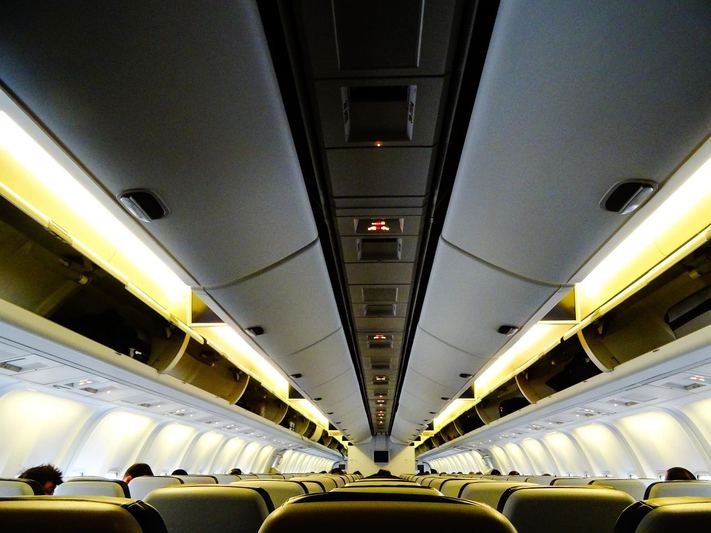
Delta will deploy an Airbus A330-900neo aircraft to service the Narita-Seattle route, a modern wide-body jet known for its efficiency on long-haul segments. This aircraft has a total passenger capacity of 281. The cabin configuration includes 29 seats in business-class, offering enhanced comfort and services for premium travellers.
Additionally, there are 28 seats in Premium Economy and 56 seats designated as Delta Comfort, providing intermediate options with more legroom and amenities. The remaining 168 seats will be in Delta Main, which constitutes the standard economy class.
This varied seating arrangement demonstrates Delta's strategy to cater to a broad spectrum of passenger needs and budgets on this significant trans-Pacific corridor, ensuring ample capacity for the daily service.
Implications for Travellers and Industry
The reintroduction of Delta's direct Seattle-Narita flights holds multiple implications for both travellers and the aviation sector.
For passengers, particularly those originating from or connecting through Delta's primary West Coast hub, this route offers increased direct access to Tokyo, reducing travel time and eliminating the need for layovers previously required on Delta flights.
This enhances convenience and choice for individuals planning visits to Japan, especially given the current favourable exchange rates. For the industry, Delta's investment in this route demonstrates strong confidence in the sustained recovery and growth of the Japan-US travel market.
It also suggests that airlines perceive long-term demand for direct connectivity to Narita, potentially influencing other carriers to review or expand their own trans-Pacific offerings in response to heightened competition and market signals.
Get The Post.
The global travel stories that matter, three mornings a week. Free.