Delta Targets 50% Profit Growth with AI-Driven Pricing, Staff Cuts
Delta Air Lines aims to increase its profitability by 50% through extensive artificial intelligence implementation. This strategy involves reducing operational costs, automating decision-making across various airline functions, and introducing individually generated ticket prices for passengers. The carrier anticipates these changes will lead to a significant boost in margins and a reduction in certain office roles.
AI Strategy to Boost Delta's Margins
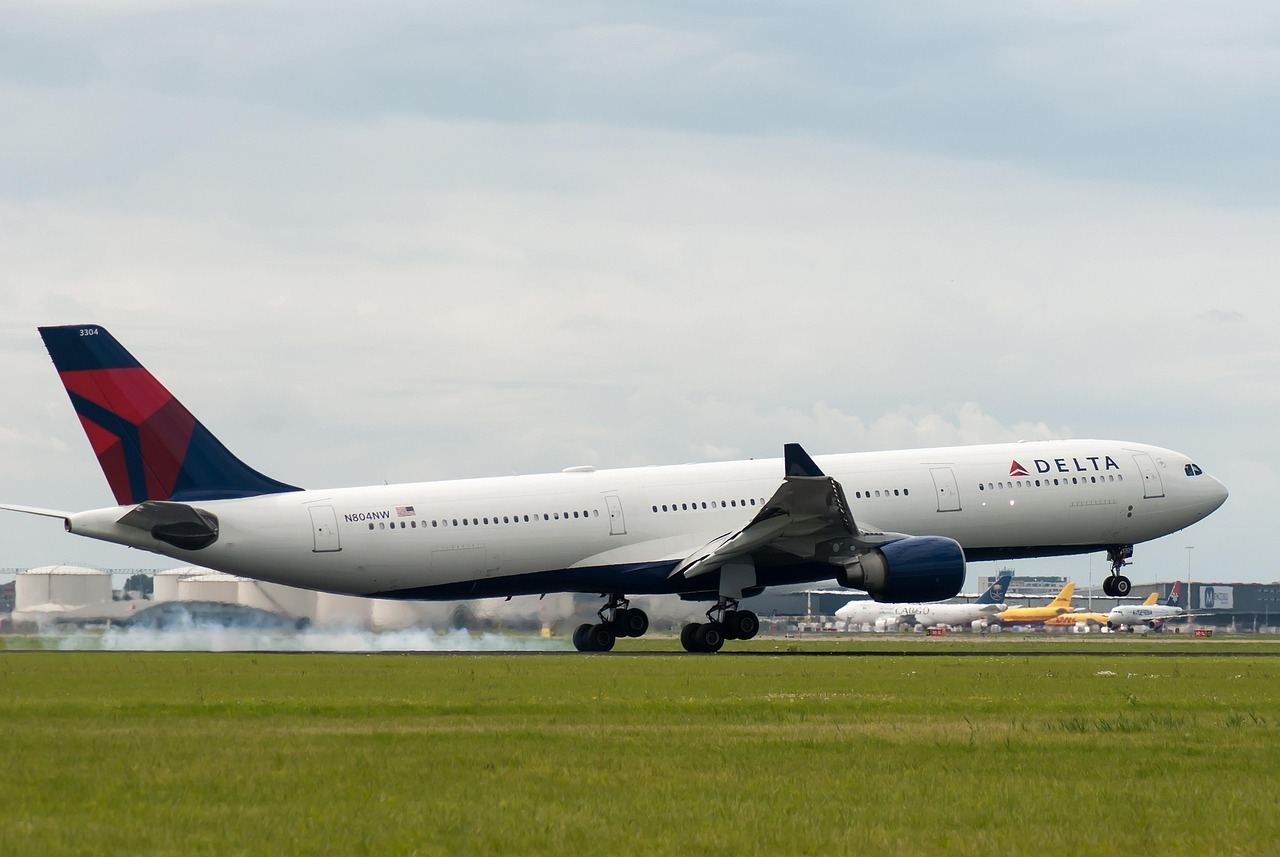
Delta Air Lines aims to increase its profitability by 50% through the strategic implementation of artificial intelligence, according to CEO Ed Bastian. This projected growth translates to an approximate US$3 billion rise in profits, shifting the airline's margins from 10% to 15%.
Bastian stated these improvements will stem from cost reductions, the automation of various processes, and the introduction of varied fares for individual passengers.
He refers to this approach as “augmented intelligence,” explaining on Scott McCartney's Airlines Confidential podcast that AI facilitates better, more timely decisions by providing clearer perspectives on available opportunities. The airline generates substantial data daily, particularly in areas like revenue management and maintenance, much of which remains unutilised.
AI, Bastian suggests, will allow Delta to leverage this data for predictive analysis, anticipating issues before they escalate and enabling more informed operational decisions.
Operational Automation and Workforce Impact
The airline plans to replace slower, human-led decisions with continuous, machine-made determinations across critical functions. These areas include pricing, upgrades, crew recovery, aircraft maintenance, fuel management, and back-office operations. This operational shift demonstrates a move towards greater automation, which will affect the workforce.
Bastian noted that some office roles, particularly management headcount, will be reduced, a trend also observed by United Airlines. The CEO highlighted the complexity of implementing AI solutions for managing factors such as crews, weather conditions, fuel burn, and engine performance, acknowledging that no off-the-shelf system exists for these intricate tasks.
However, he stressed that integrating these elements is crucial for running an efficient operation, both financially and from a customer service standpoint. He further explained that even a marginal reduction of two to four percentage points in costs, achieved through smarter decisions over several years, could lead to the targeted 50% improvement in profitability.
Shift to Individualised Offer Management
At its November 2024 Investor Day, then-President Glen Hauenstein outlined a complete overhaul of Delta's pricing strategy. Traditionally, airlines assign one team to establish a grid of fares and another to manage the availability of those fare buckets.
Delta's objective is to consolidate these functions into an “offer management” system, which generates a specific price for an individual shopping request at a particular moment. Hauenstein characterised AI in this context as a “super analyst” operating continuously.
Delta initiated this pricing transformation by allowing Fetcherr’s system to oversee a small portion of its domestic inventory within a controlled setting. The airline has since expanded its testing of this technology.
The strategic importance of this deployment, regardless of its initial scale, lies in the machine’s capacity to learn and reprice continuously, even when human analysts are not actively monitoring the system.
Regulatory Scrutiny and Data Use in Pricing
Delta's approach to AI-driven pricing has drawn attention from lawmakers. When questioned by Congress about “surveillance pricing,” Delta stated that it does not set individualised fares using a customer's personal data. The airline maintains that its current AI system uses aggregated market information, not individual circumstances or past purchases.
However, this statement appears to contradict the airline's communication to investors, which described an offer available at that moment to “you, the individual.” The company's response to Congress addressed whether it was currently feeding a named customer’s personal data into its system, while its investor presentation detailed the future direction of offer management.
An airline can infer a customer's willingness to pay without direct personal data; it can analyse factors such as route, date, time, device used, sales channel, loyalty status, current shopping history, corporate portal access, and the behaviour of statistically similar shoppers.
The Federal Trade Commission (FTC) warns retailers against using private consumer data to raise prices, but the Federal Trade Commission Act explicitly exempts “air carriers and foreign air carriers” from the Commission’s Section 5 authority regarding unfair or deceptive practices.
This authority rests with the Department of Transportation (DOT), which in 2014, when approving IATA New Distribution Capability efforts, did not deem personalised airline offers illegal.
Implications for Travellers and the Industry
For travellers, this shift could mean highly individualised airfares, potentially leading to less predictable pricing and a departure from traditional fare structures. The move towards “offer management” suggests that the price a passenger receives will be dynamic and tailored to their specific shopping context at a given moment, rather than a fixed price from a static grid.
Industry-wide, Delta's aggressive adoption of AI for profit enhancement and cost reduction may prompt other carriers to accelerate their own automation initiatives to maintain competitiveness. This could intensify pressure on airline workforces, particularly in administrative and pricing roles, as more functions become machine-managed.
The nuanced regulatory landscape, where airlines operate under different rules than other retailers regarding consumer data and pricing, means that such differentiated pricing models are likely to continue evolving. Future developments will depend on how regulators interpret and respond to increasingly sophisticated AI applications in the aviation sector.
Get The Post.
The global travel stories that matter, three mornings a week. Free.