Dallas/Fort Worth Airport Plans Hyatt Regency Purchase Amid Expansion
Dallas/Fort Worth International Airport (DFW) proposes to acquire the Hyatt Regency DFW International Airport for up to $193.6 million. This move forms part of the airport's extensive $12 billion infrastructure development programme, aiming to enhance on-site hospitality options and diversify revenue streams. The acquisition awaits final approvals from the airport board and city councils.
DFW Proposes Major Hotel Acquisition
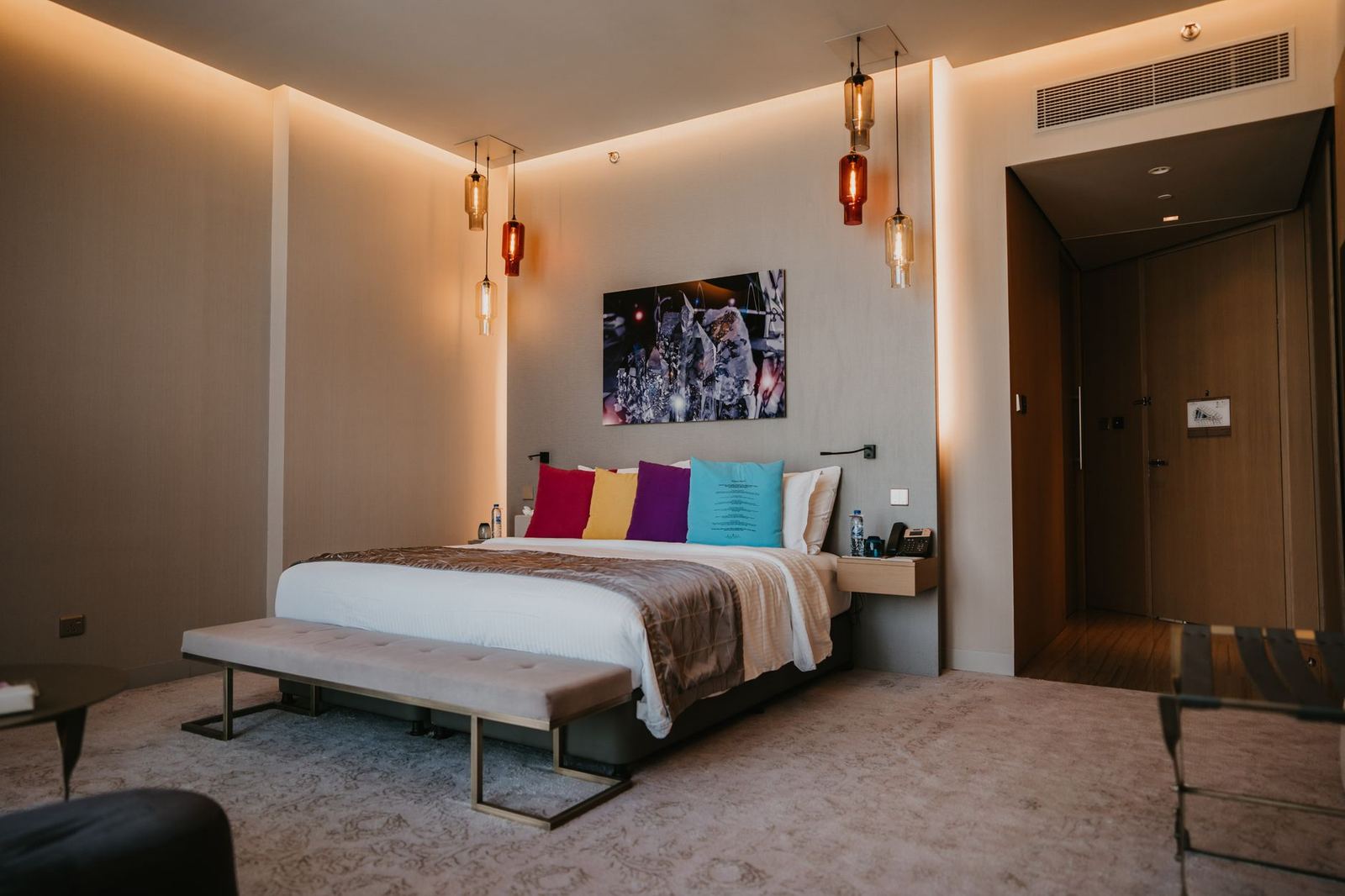
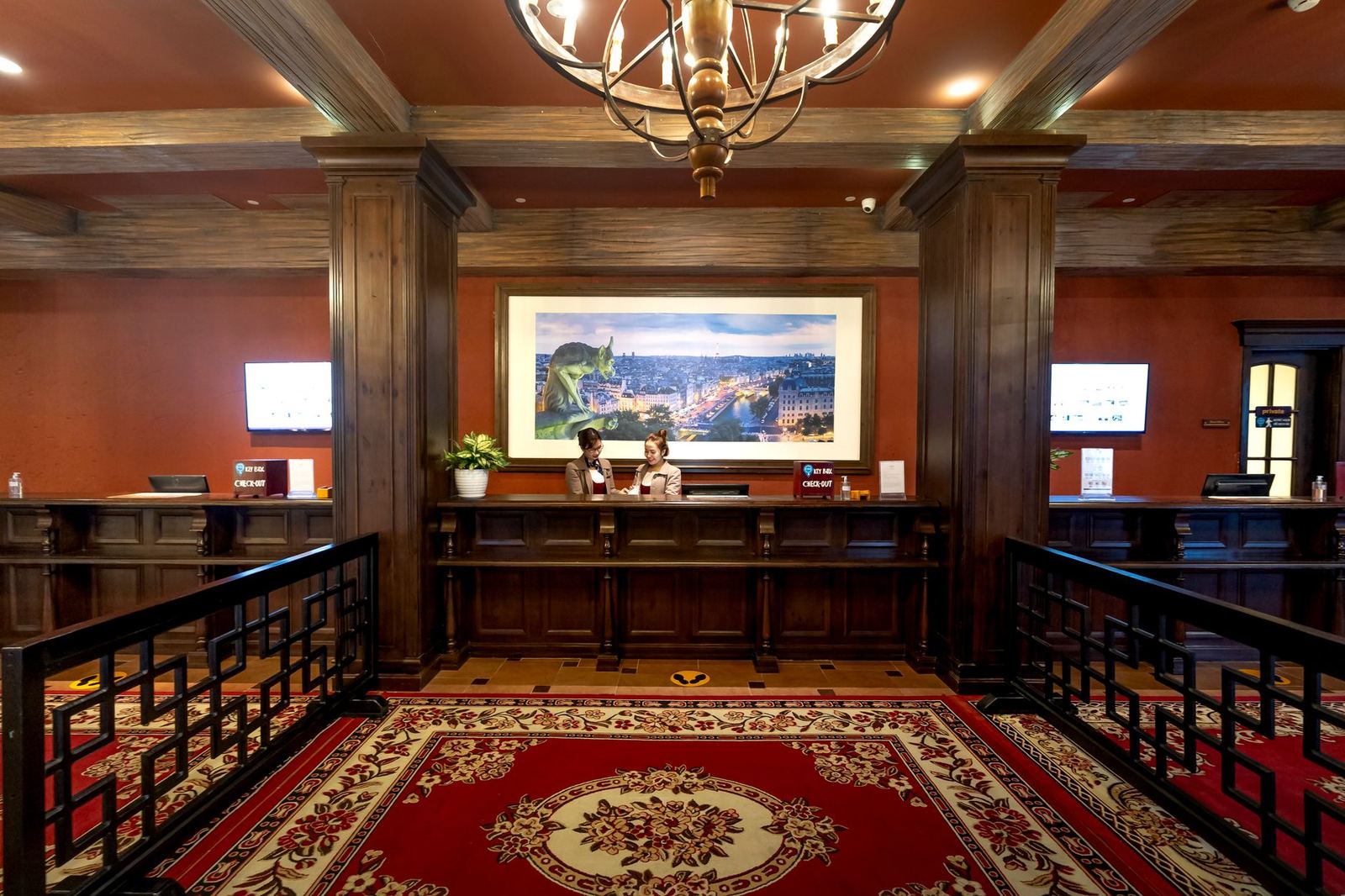
Dallas/Fort Worth International Airport (DFW) has advanced plans to acquire the Hyatt Regency DFW International Airport. The airport's Public Facility Improvement Corp. board recently voted unanimously to pursue the purchase. Officials have proposed allocating up to $193.6 million for the hotel building and its leasehold interest. This acquisition represents a significant investment in the airport's on-site hospitality portfolio. The Hyatt Regency hotel is situated conveniently near Terminal C, offering direct access for travellers. Hyatt will continue to manage and operate the property should the acquisition proceed. This strategic move aims to integrate key hospitality assets more closely with the airport's broader operational and commercial objectives. The proposal now requires further consideration and approval from the full airport board of directors, with a vote scheduled for 6 August. Additionally, the cities of Dallas and Fort Worth must also endorse the deal for it to be finalised.
Expanding On-Site Hospitality Portfolio
This planned purchase builds upon DFW's existing ownership of several Hyatt-branded properties within its grounds. The airport currently owns the Grand Hyatt DFW and Hyatt Place DFW, which provide a range of accommodation options for passengers and airport visitors. Furthermore, a Hyatt House property is presently under construction on airport land, with an anticipated opening in 2027. The consistent strategy of acquiring and integrating these hospitality assets demonstrates DFW's commitment to controlling and enhancing the traveller experience directly. By owning these hotels, DFW can ensure alignment with its service standards and long-term development goals. This approach also allows the airport greater flexibility in managing its non-aeronautical revenue streams, a critical component of modern airport business models. The continued operation by Hyatt, a global hospitality leader, maintains brand consistency and service quality for guests.
Integral to $12 Billion Development Programme
The proposed Hyatt Regency acquisition is an integral part of DFW's extensive $12 billion expansion programme. This comprehensive development initiative includes substantial infrastructure upgrades across the airport campus. Key components of the programme involve the construction of a new Terminal F, designed to accommodate future passenger growth and airline operations. Alongside this, significant renovations are underway for Terminal C, aiming to modernise facilities and improve passenger flow. The integration of hospitality assets like the Hyatt Regency into this larger development framework reveals a strategic vision for DFW as an integrated travel hub. Such developments often aim to create a seamless environment where air travel, accommodation, and related services are closely connected. This integrated approach can improve operational efficiency and enhance overall passenger satisfaction, supporting DFW's long-term growth ambitions.
Implications for Airport Commercial Strategy
The acquisition, if approved, will further consolidate DFW's control over its on-site commercial offerings. This move shows a trend among major global airports to diversify revenue beyond aeronautical fees, increasing income from retail, dining, and hospitality. For travellers, this could mean a more integrated and potentially streamlined visit, with airport-managed services. The final approvals from the airport board and city councils will clarify the timeline for this transition. This strategy mirrors approaches seen in leading Asian aviation hubs, such as Singapore Changi Airport or Seoul Incheon International Airport. These airports often own and operate extensive commercial complexes, including hotels, retail, and entertainment, directly contributing to their financial resilience and competitive advantage. DFW’s move aligns with this global pattern of airports evolving into comprehensive commercial centres, rather than merely transport gateways.
Get The Post.
The global travel stories that matter, three mornings a week. Free.
By subscribing you consent to receive this newsletter from GlobalTravelPost (Asia Press Centre Pte. Ltd.); unsubscribe at any time.