Spirit Airlines' Dania Beach Campus Faces $88 Million Bankruptcy Sale
Spirit Airlines' recently opened $250 million corporate headquarters in Dania Beach, Florida, is now subject to an $88 million stalking horse bid in bankruptcy proceedings, representing a significant depreciation for the airline's former asset.
New Spirit Central Campus Valued at a Fraction of Cost
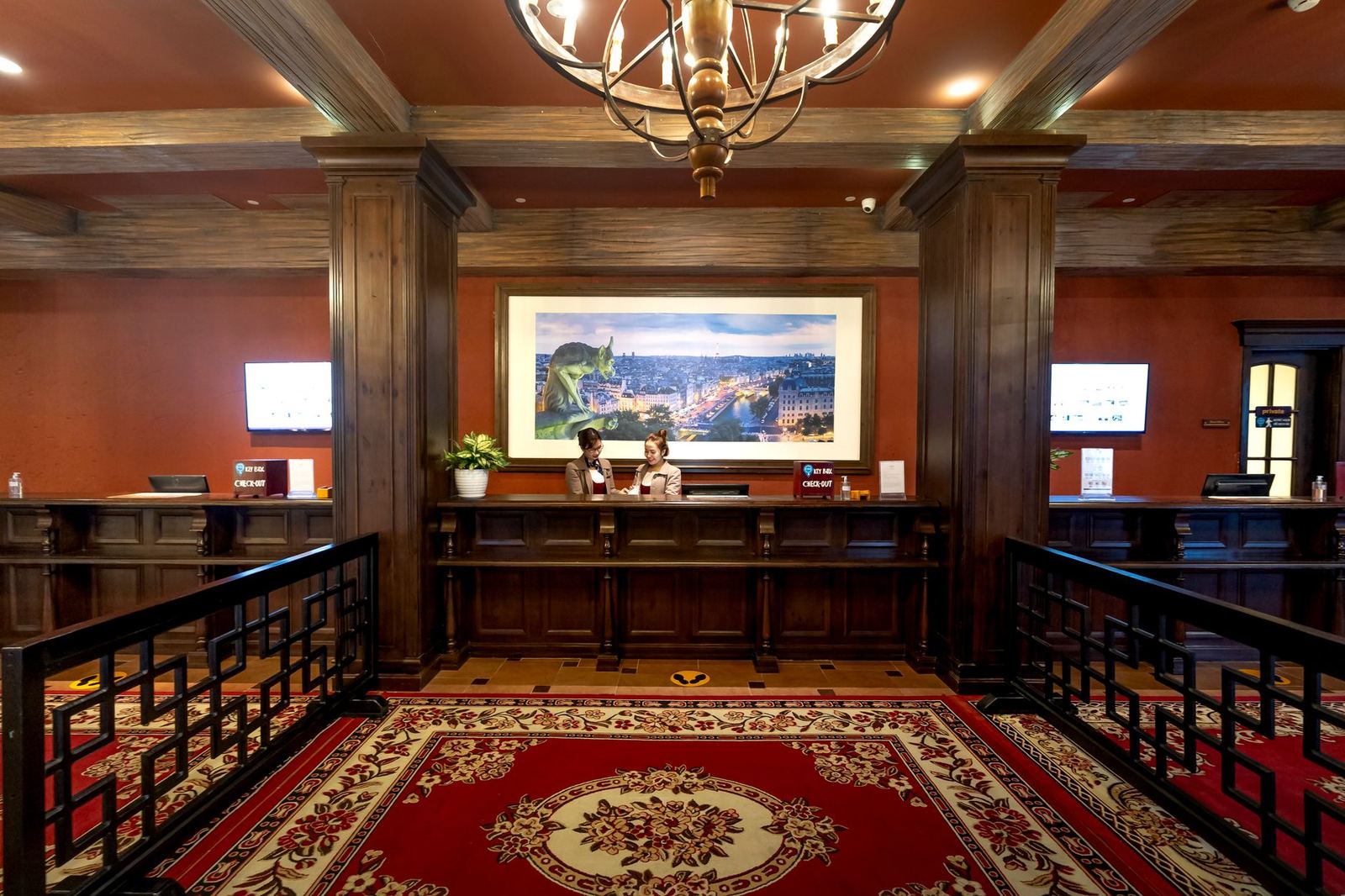
Spirit Airlines, now defunct, faces a substantial markdown on its 11-acre corporate campus in Dania Beach, Florida. Opened in April 2024, the "Spirit Central" complex, which cost up to $250 million to develop, is currently the subject of an $88 million stalking horse bid. An affiliate of Boston-based investment firm Hill City Capital has put forth this cash offer for a significant portion of the nearly new headquarters, located near Fort Lauderdale airport. This valuation represents approximately 35% of the initial advertised project cost, highlighting a sharp depreciation for the specialised mixed-use property in a short timeframe. The proposed sale is pending higher bids and court approval, with a hearing scheduled for September 16, 2026, according to View from the Wing.
Extensive Facilities and Shifting Business Model
The "Spirit Central" campus was designed to accommodate over 1,000 corporate employees across its six-story, 180,000-square-foot office building. It also includes an extensive 108,000-square-foot training centre with eight full-flight simulator bays, classrooms, and cabin-training equipment. Employee amenities featured a 13,000-square-foot "Fueling Station" with a café, commercial kitchen, coffee bar, lounges, and fitness centre. Additionally, "The Landing" comprised 200 two-bedroom corporate apartments, providing accommodation for up to 400 visiting employees, complete with a pool, gym, and meeting spaces. The campus also has 998 garage parking spaces and 125 surface spaces, with a development site capable of supporting another 180,000-square-foot building. Gary Leff of View from the Wing noted that the campus, at the time of its opening, symbolised Spirit's departure from its ultra-low-cost carrier model, with the airline's costs having increased by over 40% since the pandemic.
Bidding Procedures and Asset Exclusions
The current $88 million offer from Hill City Capital, an investment firm with prior involvement in aviation acquisitions such as Atlas Air Worldwide, serves as a baseline bid. Under court-approved bidding procedures, Hill City Capital is entitled to a 3% breakup fee, equating to $2.64 million, should another buyer secure the campus. The firm may also receive up to $500,000 for documented expenses. For a competing bid to be considered for substantially the same assets, it must exceed the initial $88 million offer by the sum of these bid protections plus an additional 2% of the stalking horse bidder’s price, setting an opening threshold of approximately $92.9 million. Prospective bidders must provide a 10% deposit, have completed due diligence, and cannot condition their offers on obtaining financing. Spirit retains the right to select the "highest or otherwise best" offer, considering factors such as certainty, timing, assumed liabilities, and closing risk. It is important to note that the flight simulators are not included in this sale, and the residential building sits on a long-term ground lease rather than owned land. Broward County had previously considered bidding up to $100 million for parts of the campus for a new government centre but encountered zoning complications.
Implications for Airline Asset Valuation and Asian Markets
The rapid and substantial devaluation of Spirit Airlines' new corporate campus demonstrates the risks associated with specialised real estate investments within the aviation sector, particularly during periods of corporate distress. This situation shows how quickly significant capital outlays for infrastructure can lose value when an airline’s financial health deteriorates, even for modern, well-equipped facilities. For the global aviation industry, this serves as a cautionary tale regarding asset liquidity and the potential for a disconnect between development costs and market value in a bankruptcy scenario. While Spirit’s specific circumstances are tied to the US market, the principle of a new, high-value airline-specific asset depreciating sharply in a distressed sale holds relevance for carriers and investors in Asia. As Asian airlines continue to expand and invest in their own operational and administrative infrastructure, this case underscores the importance of robust financial planning and the potential for rapid asset revaluation during economic shifts or corporate restructuring. It prompts consideration of how similar assets in Asian markets might fare under comparable financial pressures, particularly given the dynamic nature of regional aviation growth and competition.
Get The Post.
The global travel stories that matter, three mornings a week. Free.
By subscribing you consent to receive this newsletter from GlobalTravelPost (Asia Press Centre Pte. Ltd.); unsubscribe at any time.