Dubai International Airport Secures Fuel Tanks Against Drone Threats
UAE authorities have completed installing protective wire cages around fuel tanks at Dubai International Airport (DXB). This measure follows a March 16 drone attack that disrupted airport operations and aims to bolster critical infrastructure defence.
Drone Defence Completed at DXB
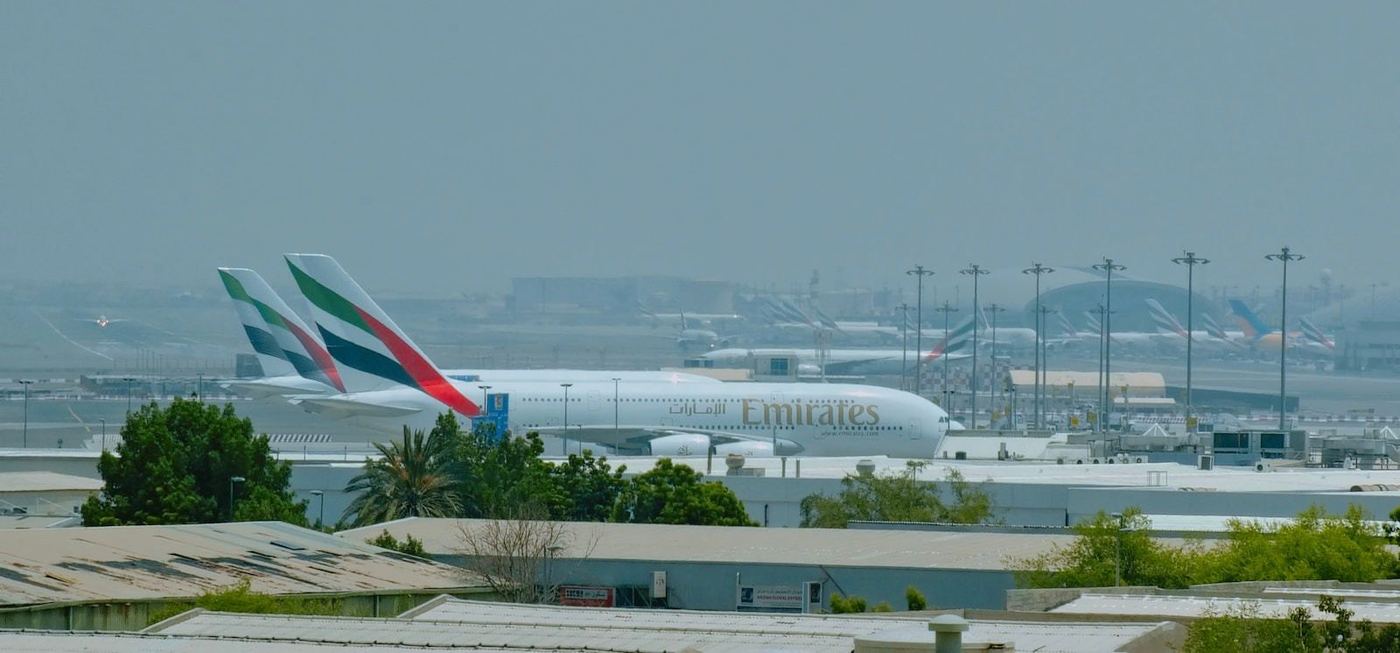
UAE authorities have completed the construction of extensive wire cages around the fuel tanks situated on the perimeter of Dubai International Airport (DXB). This security upgrade, finalised by August 22, 2026, aims to protect critical infrastructure from potential attacks by Iranian-launched one-way attack drones.
The fuel farm, comprising 10 tanks, is located between Terminal A and the VIP Royal Air Wing terminal on the southern side of the two-runway airfield.
This initiative follows a significant incident on March 16, 2026, when an explosive-laden drone struck one of the airport's large fuel tanks, causing widespread disruption to air traffic and raising concerns about aviation security in the region.
The new mesh structures are designed to offer a layer of defence against such drone incursions, though officials acknowledge they may not deter more sophisticated missile attacks.
March 16 Attack and Operational Impact
The March 16 drone attack at Dubai International Airport led to immediate and substantial operational disruption. Airspace across the region was promptly closed as a large plume of smoke ascended over Dubai's Mirdif area.
Aircraft scheduled to land at DXB were compelled to divert to alternative airports or return to their departure points while firefighters worked to contain the extensive blaze.
The incident occurred around 03:00, yet by approximately 11:00 the same day, local officials made the decision to reopen the airfield for commercial air traffic, despite smoke continuing to billow from the damaged fuel tank.
A photograph depicting smoke rising behind the headquarters of Emirates, the Dubai-based airline, became a widely circulated image illustrating the regional impact of Iran's attacks.
Broader Context of Regional Aggression
The March 16 incident was not an isolated event, but part of a broader period of Iranian aggression against the UAE. Dubai International Airport had previously faced repeated drone attacks during the peak of this regional tension.
The first such drone assault, occurring hours after the United States and Israel initiated their military campaign against Tehran, directly impacted Terminal 3, Emirates' flagship hub terminal. This resulted in damage to the concourse and injuries to at least four individuals.
Days later, a second drone exploded near Terminal 3 and a parked Emirates aircraft, again injuring four people. Subsequent assessments revealed that a parked Emirates Airbus A380 and a Saudia Airlines Airbus A321 sustained damage in this second attack.
In May 2026, authorities had announced plans to implement anti-drone meshing around vital infrastructure, including the fuel tanks at DXB, leading to the recently completed construction.
While these measures address drone threats, officials reported a separate missile attack on offshore assets during the week of August 16, 2026, indicating a persistent and varied threat landscape.
Recovery and Ongoing Challenges for Dubai Travel
Despite the security challenges, Dubai's aviation sector shows signs of recovery. According to Flight Radar 24 data, Emirates is now operating at pre-war capacity levels, and overall flight bookings through the Gulf region have rebounded.
However, the number of inbound visitors specifically travelling to Dubai, as distinct from transit passengers, remains below pre-conflict figures. In response, officials are actively implementing various incentives and initiatives to attract tourists back to the city.
The completion of the drone defence infrastructure at Dubai International Airport aims to reinforce confidence among travellers and industry stakeholders regarding the safety and operational resilience of one of the world's busiest air hubs. Ongoing efforts to ensure security and promote tourism are central to Dubai's strategy for full visitor recovery.
Get The Post.
The global travel stories that matter, three mornings a week. Free.