easyJet Ceases Flights at Six European Airports
easyJet will discontinue flights to six European airports, including Leeds Bradford and Istanbul, as the airline implements network adjustments. The carrier aims to consolidate services at larger operational hubs.
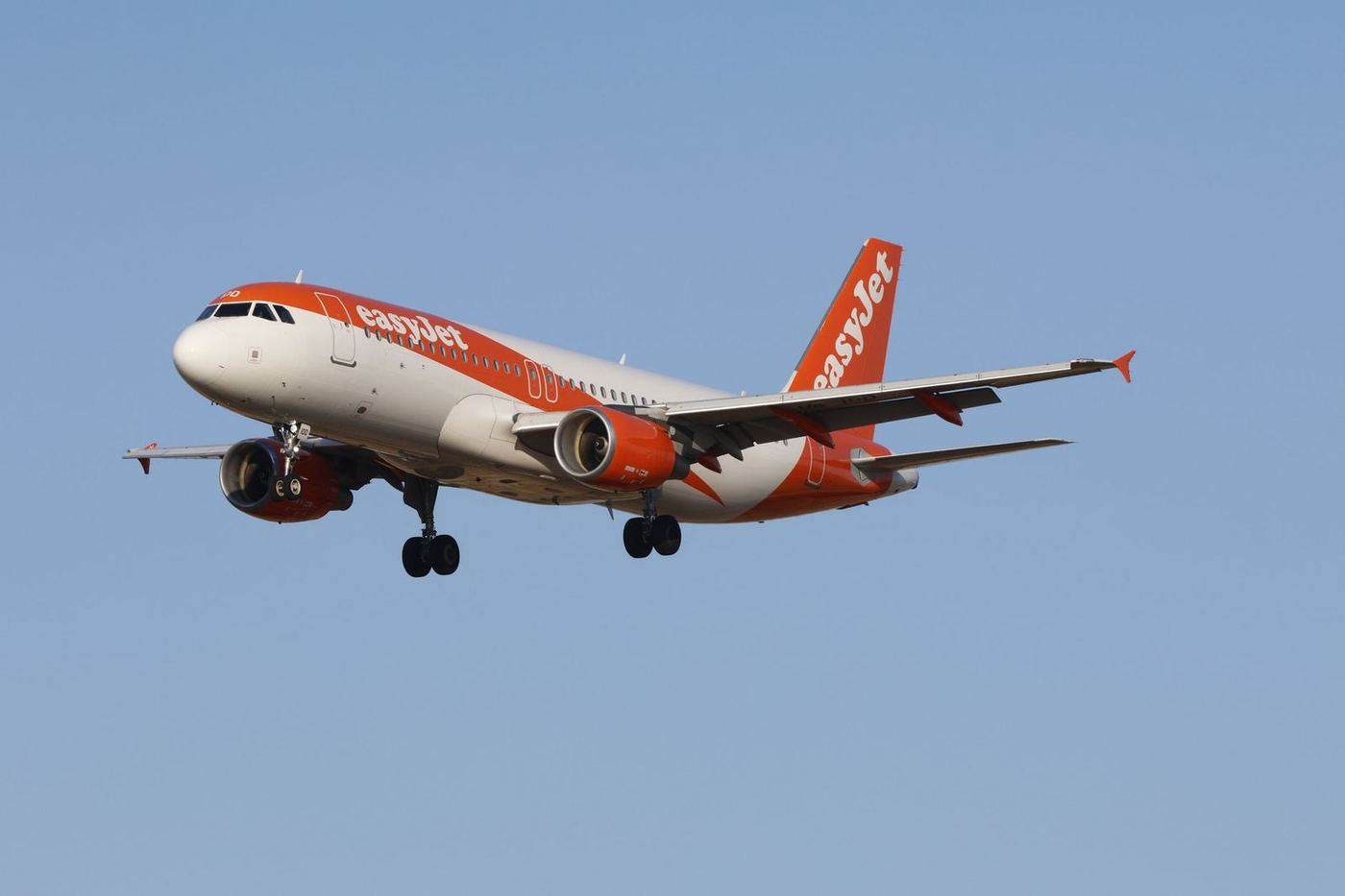
easyJet Adjusts European Network
easyJet, Europe's second-largest airline by flight volume, has confirmed it will cease operations at six airports across its network. The adjustments, identified through an analysis of Cirium data comparing flight schedules from January 2025 to October 2026 against plans for November 2026 to July 2027, reflect the carrier's ongoing network optimisation efforts.
This year, easyJet maintains 1,582 daily aircraft movements, showing a modest increase of just over 1% compared to the previous year. However, this volume remains 4% below its pre-pandemic levels in 2019. Despite fewer flights, easyJet's overall capacity is at a record high for 2026, offering 105 million seats.
This capacity growth is partly attributed to the deployment of higher-capacity aircraft, with an average of 182 seats per flight, which enhances operational efficiency and competitiveness.
Leeds Bradford and Istanbul Withdrawals
Among the airports affected, easyJet will withdraw from Leeds Bradford Airport (LBA) in England by January 2027. The airline, which commenced services at LBA between 2010-2017 and again from 2021, currently operates six routes from the facility, connecting to destinations such as Barcelona, Geneva, and Paris CDG.
All but the Belfast International Airport (BFS) route are served by other airlines. easyJet's presence at LBA is relatively minor, accounting for approximately 3% of the airport's services in 2026, making it the fifth-largest operator.
The decision to exit LBA is likely influenced by its proximity to Manchester Airport (MAN), a significant easyJet base where it ranks as the second-largest operator and commands nearly one-quarter of all short-haul services. easyJet already operates all six LBA destinations from Manchester with a greater frequency of flights.
Northern European and Turkish Market Exits
easyJet's operations at Istanbul Airport (IST) concluded in March 2026. The carrier initiated services to IST in June 2023, initially from Manchester. A second route from Bristol International Airport (BRS) followed in November 2024, concluding in March 2026.
UK Civil Aviation Authority data shows easyJet carried 34,552 passengers on its Istanbul routes in 2025, achieving an 86% load factor. The airline faced direct competition from Turkish Airlines at IST and Pegasus Airlines from Istanbul's Sabiha Gokcen International Airport (SAW).
Further north, easyJet will cease flights to Harstad-Narvik Airport (EVE) in Norway by September 2026. Services to Harstad-Narvik began in June 2025, with routes from Amsterdam Schiphol Airport (AMS) and Milan Malpensa Airport (MXP). The Amsterdam route ended in August 2025, and the Milan route will conclude in September 2026, with no services planned for 2027.
Broader Network Adjustments and Outlook
Beyond Leeds Bradford, Istanbul, and Harstad-Narvik, easyJet has also ceased or will cease flights at three other European facilities.
These include Bergamo Airport (BGY) in Italy, where services ended in January 2025; Stockholm Arlanda Airport (ARN) in Sweden, with operations concluding in November 2025; and Oslo Airport (OSL) in Norway, where flights will conclude in October 2026.
These network adjustments align with the common practice among airlines to continuously evaluate and modify their routes based on performance and strategic priorities. For easyJet, the move demonstrates a focus on consolidating its presence at larger, more profitable hubs, such as Manchester, where it can achieve greater operational scale and market share. This strategic pivot allows the airline to allocate resources more effectively to its core operations.
Implications for Travellers and Industry
For travellers, the cessation of easyJet services at these six airports means they will need to consider alternative carriers or departure points for their travel plans.
For example, passengers previously relying on easyJet from Leeds Bradford will find other airlines serving many of the same destinations from LBA or can opt for easyJet services from the nearby Manchester Airport. The industry implication highlights the dynamic nature of low-cost airline networks, where route profitability and competitive pressures drive frequent adjustments.
Regional airports like Leeds Bradford, which see a withdrawal from a major low-cost carrier, may need to attract new airlines or expand existing services to maintain connectivity. Future announcements from easyJet regarding its network expansion or consolidation will reveal the full impact of these strategic decisions on its market position and passenger offerings.
Get The Post.
The global travel stories that matter, three mornings a week. Free.