Emirates A380 Passengers Stranded Nearly 24 Hours on Dubai-Shanghai Flight
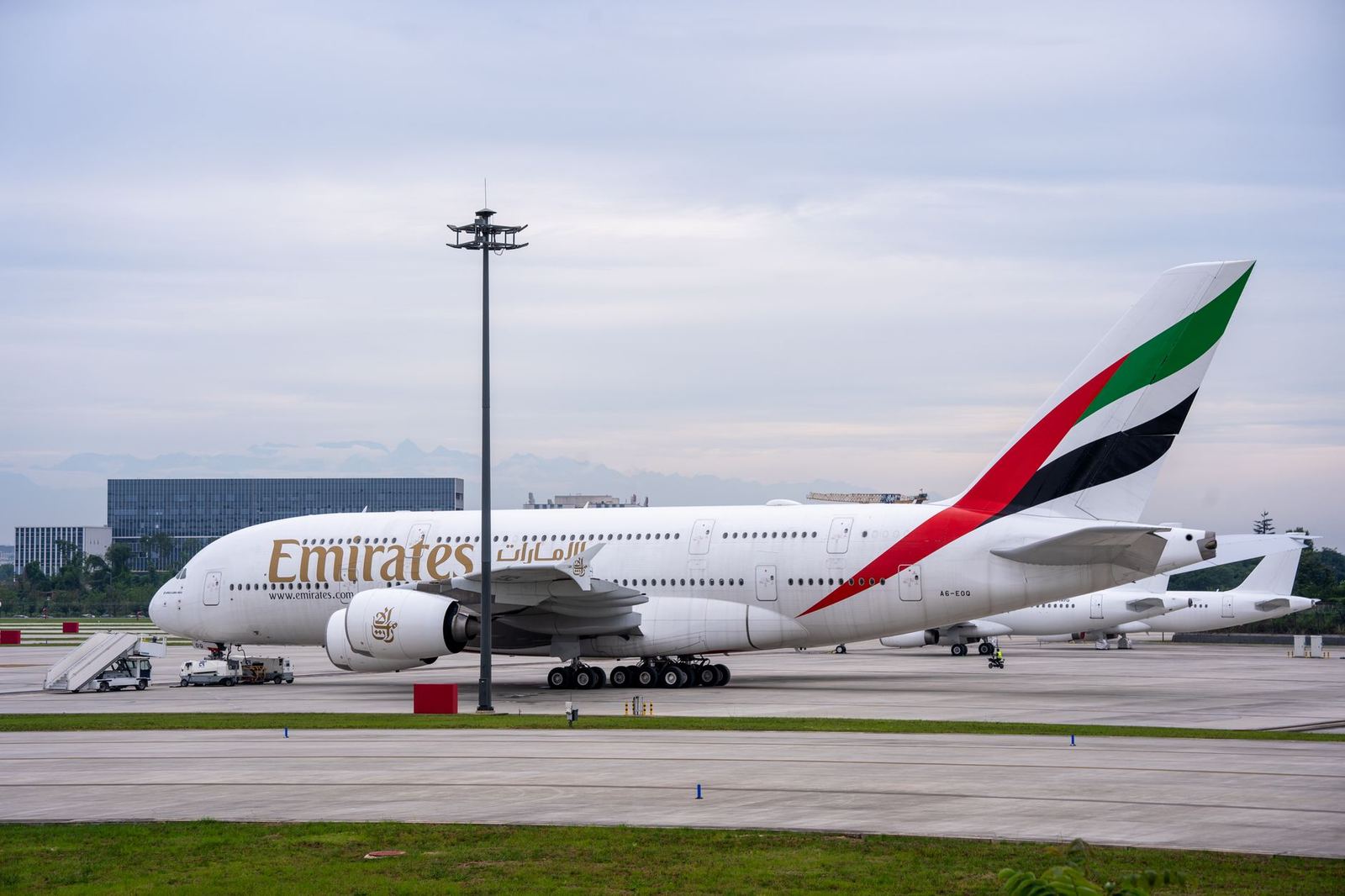
Passengers aboard Emirates flight EK-302 from Dubai to Shanghai endured a nearly 24-hour ordeal on an Airbus A380, stemming from weather diversions, crew hour limitations, and technical issues. The journey, scheduled for eight hours, saw travellers confined to the aircraft for an extended period, eventually deplaning in Hangzhou, China.
Prolonged Confinement on Emirates A380
An Emirates Airbus A380 flight, EK-302, bound for Shanghai from Dubai, subjected its passengers to an almost 24-hour confinement last week, according to a report by Paddle Your Own Kanoo published on July 29th, 2026. The flight, which typically takes eight hours, saw passengers remain onboard the aircraft for the majority of this extended period. Originally scheduled to depart Dubai International Airport (DXB) on July 22nd at 2:50 am, the nearly 15-year-old double-deck aircraft eventually took off at 7:40 am. This initial delay of nearly five hours was attributed to adverse weather conditions impacting Shanghai Pudong International Airport. The flight, reportedly almost full, offered little space for passengers to move during the prolonged wait before departure.
Diversion to Hangzhou and Crew Limitations
Instead of proceeding directly to Shanghai, the A380 was rerouted to Hangzhou, approximately 177 kilometres away, with the intention of waiting for the storm in Shanghai to subside. However, the weather cleared slower than Emirates’ forecasters had predicted. As the delay extended on the ground in Hangzhou, the cabin crew who had operated the flight from Dubai reached their legal maximum working hours, rendering them unable to continue service to Shanghai. Passengers reported that local authorities initially prevented them from disembarking the A380. Emirates subsequently worked to arrange transport for a new set of pilots and cabin crew from Shanghai to Hangzhou to complete the final leg of the journey.
Technical Fault and Eventual Deplaning
While passengers remained onboard in Hangzhou, the flight status displayed on the Emirates website repeatedly changed, showing new departure times of midnight, then 3 am, and later 4:30 am. When the relief crew eventually arrived and prepared for departure, a technical issue was identified with the aircraft itself. This discovery prompted Emirates to abandon its plan to fly the passengers to Shanghai. Local authorities then permitted passengers to deplane in Hangzhou. The final passengers disembarked the A380 at around 9 am on July 23rd, marking nearly a full 24 hours since the aircraft had departed Dubai. Two passengers reportedly fainted during the protracted delay, as the cabin became increasingly warm and stuffy.
Airline Response and Operational Implications for Asia
Upon deplaning in Hangzhou, Emirates provided passengers with meals inside the terminal. Travellers were then given the option of a two-and-a-half-hour bus transfer directly to Shanghai or a hotel stay at the airline’s expense before continuing their travel. The affected Airbus A380 remained in Hangzhou for an additional day for repairs before being ferried back to Dubai without passengers. It re-entered commercial service on July 25th, without further incident. This event highlights the complex operational challenges faced by airlines in Asian markets, where weather disruptions can combine with strict local regulations and crew duty limitations to create significant passenger inconveniences. Carriers operating long-haul routes into major Chinese hubs must contend with these variables, which can impact scheduling, crew management, and passenger welfare, underscoring the need for robust contingency planning.
Get The Post.
The global travel stories that matter, three mornings a week. Free.
By subscribing you consent to receive this newsletter from GlobalTravelPost (Asia Press Centre Pte. Ltd.); unsubscribe at any time.