Southwest Airlines Boeing 737 MAX 8 Fleet Faces ETOPS Restrictions for Pacific Flights
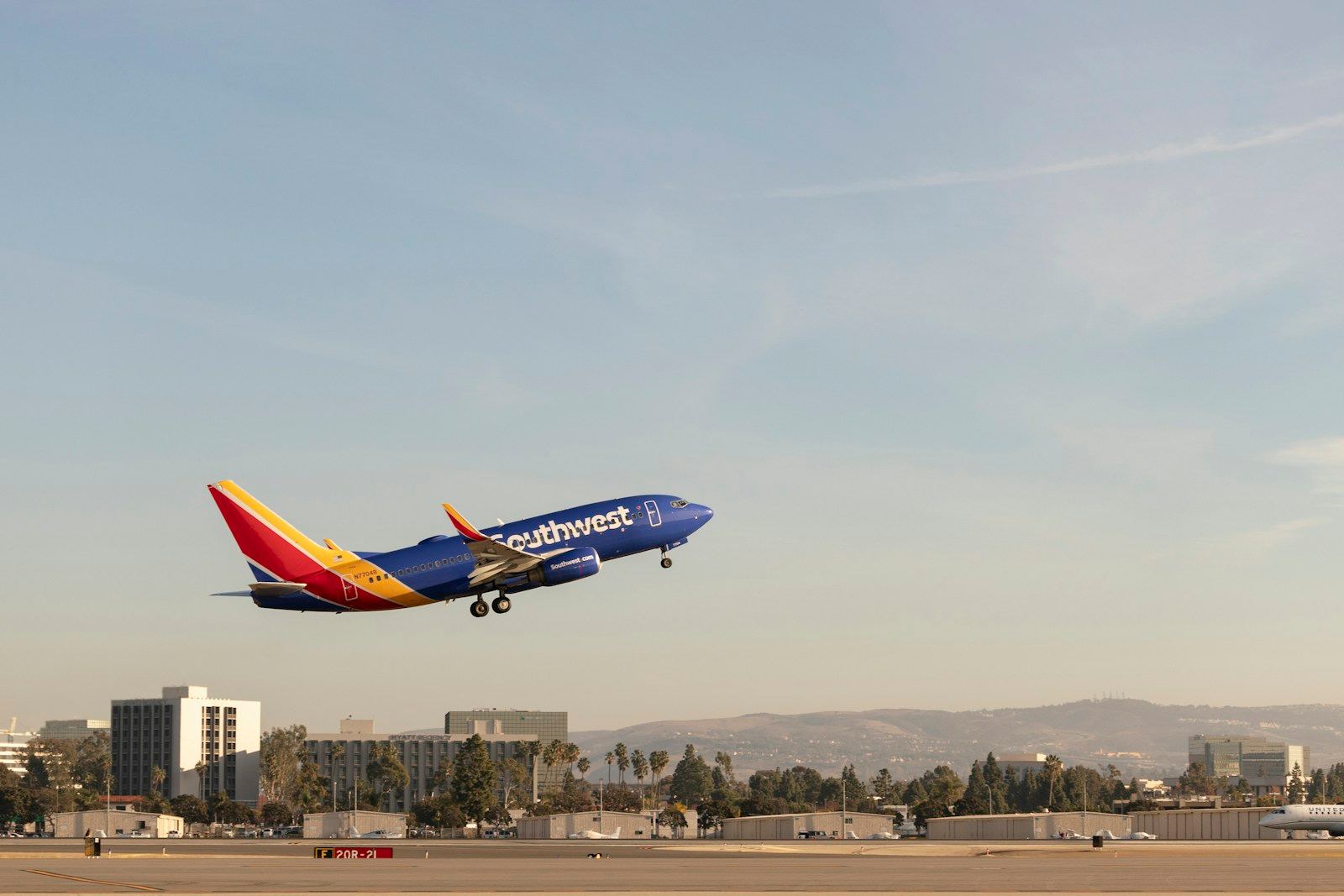
Southwest Airlines cannot deploy its entire Boeing 737 MAX 8 fleet on long overwater routes, such as those to Hawaii, due to specific Extended-Range Twin-Engine Operational Performance Standards (ETOPS) regulations. Only a designated subset of its aircraft, alongside stringent operational and maintenance programmes, receives the necessary regulatory approval, according to Simple Flying.
ETOPS Rules Limit Southwest's Overwater Deployments
Southwest Airlines' Boeing 737 MAX 8 fleet, while technically capable of long-range overwater flying, cannot be universally scheduled for such routes, particularly across the Pacific. This limitation stems from Extended-Range Twin-Engine Operational Performance Standards (ETOPS), a regulatory framework governing twin-engine aircraft operations beyond a defined diversion time from a suitable airport. The issue is not a blanket restriction on the 737 MAX 8 model itself, but rather a requirement for aircraft-specific approval, coupled with rigorous maintenance standards, dispatch procedures, and crew training. This operational complexity explains why Southwest's Hawaii service has always been a specialised segment of its network, rather than a routine deployment for any MAX 8 aircraft, Simple Flying reported.
Understanding ETOPS: Beyond Aircraft Capability
ETOPS defines the rules permitting twin-engine jets to operate on routes that take them further than a prescribed diversion time from an adequate airport, should one engine fail. This regulatory framework primarily focuses on risk management for long overwater or remote flights. Regulators now allow extended routings for twin-engine aircraft, but only if the specific aircraft, the air carrier, its maintenance programme, dispatch procedures, and crew training all satisfy stringent reliability and operational criteria. The US Federal Aviation Administration (FAA) describes ETOPS as approval for two-engine aeroplanes to operate on routes containing points more than one hour apart, at normal one-engine-inoperative cruise speed in still air, from an adequate airport. This means ETOPS is an operational approval framework, not merely an inherent aircraft capability.
Southwest's Hawaii Network and Fleet Evolution
Southwest Airlines commenced its Hawaii service following formal FAA ETOPS authorisation on 27 February 2019, launching flights just weeks later in March 2019. By the end of 2025, the carrier operated over 800 Boeing 737s, including more than 300 737 MAX 8s, making it one of the world's largest MAX operators. The airline's fleet strategy involves gradually retiring older 737NG jets while incorporating more MAX 8 deliveries; 66 additional 737 MAX 8 aircraft are expected to join the fleet in 2026, alongside approximately 60 planned retirements. The 737 MAX 8 is crucial for network planning due to its enhanced fuel efficiency and suitability for longer sectors, marking a transition towards a MAX-heavy future for the carrier, Simple Flying noted.
Specific Certification, Not Universal Approval
The reason only a portion of Southwest's 737 MAX 8 fleet is ETOPS-certified is that ETOPS is not a universal label applied to every aircraft of a specific type. Instead, it represents an operational approval tied to a particular aircraft, its engine configuration, the airline's maintenance programme, its dispatch system, and specific crew procedures. Only aircraft explicitly enrolled in an approved ETOPS programme, maintained to its rigorous standards, and properly documented, are permitted to operate on extended overwater routes, such as those connecting to Hawaii. According to Simple Flying, Southwest Airlines has 138 ETOPS-certified aircraft within its overall fleet of over 800 jets, illustrating the highly selective nature of this certification.
Implications for Operations and Asian Aviation
For Southwest Airlines, these ETOPS requirements mean a continued need for specialised fleet management and operational planning for its Hawaii network, limiting the flexible deployment of its entire 737 MAX 8 fleet. This highlights that while modern twin-engine aircraft possess the range for extended overwater flights, their use on such routes is strictly controlled by regulatory frameworks. Globally, this principle applies to all airlines. Asian carriers, particularly those operating 737 MAX aircraft for regional or medium-haul overwater routes – for example, between archipelagic nations in Southeast Asia or to destinations in Oceania – must similarly adhere to stringent ETOPS certification processes. Airlines such as Lion Air or Batik Air, which operate MAX fleets in Asia, would require specific ETOPS approvals for any routes extending beyond the one-hour diversion time, mirroring the compliance challenges faced by Southwest for its Pacific operations and ensuring consistent international safety standards.
Get The Post.
The global travel stories that matter, three mornings a week. Free.
By subscribing you consent to receive this newsletter from GlobalTravelPost (Asia Press Centre Pte. Ltd.); unsubscribe at any time.