Malaysia Airlines Pilot Faces Death Sentence Threat in Indonesia Over 70,000 Ecstasy Pills
An investigation is underway in Indonesia after a Malaysia Airlines pilot was detained at Soekarno–Hatta International Airport, Java, for allegedly attempting to smuggle over 70,000 ecstasy pills. The pilot now faces a potential death sentence under Indonesian narcotics law.
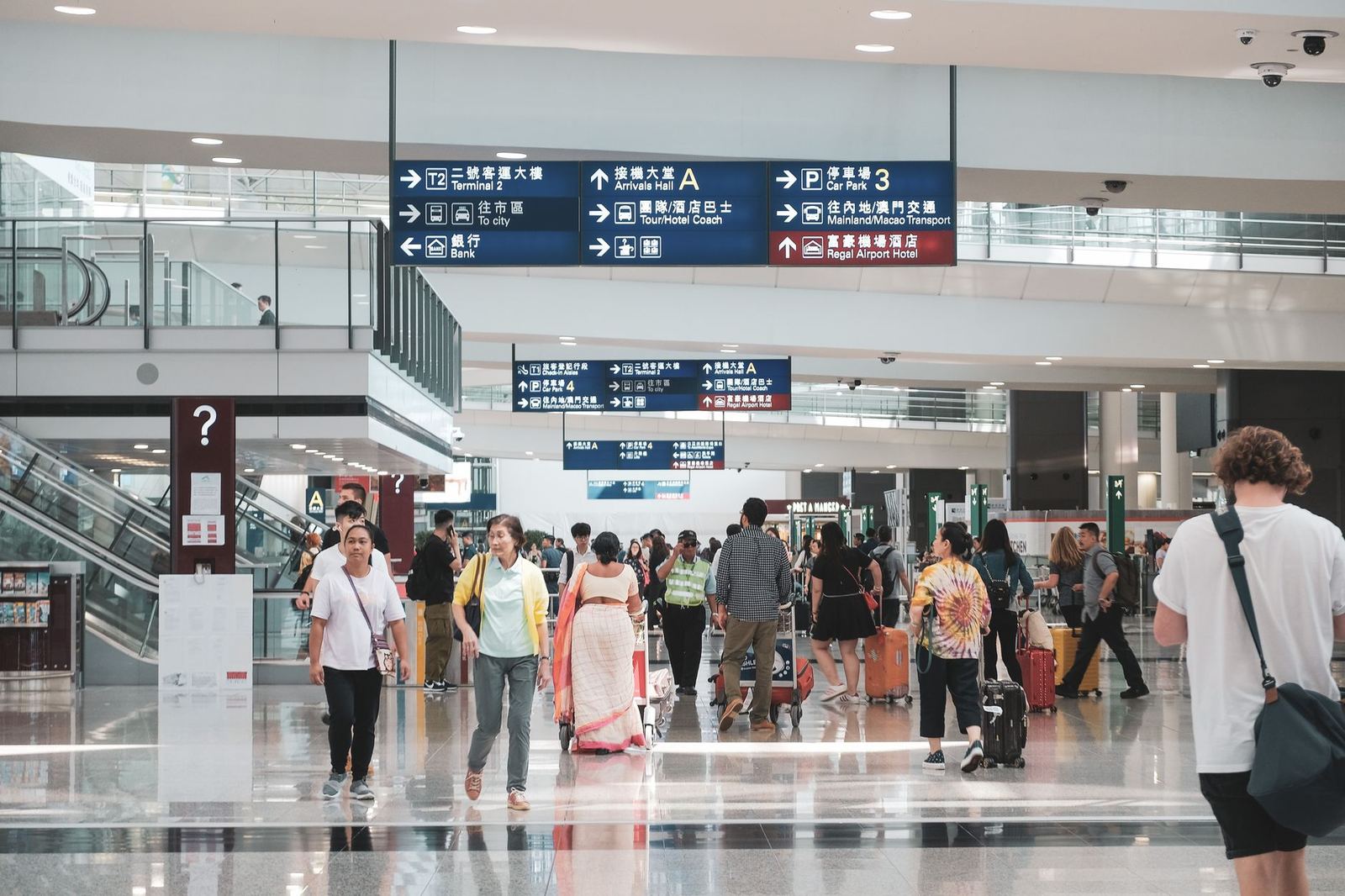
Pilot Detained at Jakarta Airport
A Malaysia Airlines pilot could face the death penalty in Indonesia following his alleged apprehension for drug smuggling at Soekarno–Hatta International Airport on Java. Paddle Your Own Kanoo reported on 1st August 2026 that the pilot was accused of transporting more than 70,000 ecstasy pills, weighing over 55 pounds, concealed within his luggage during a work trip. Identified only by the initials MBSO, the Boeing 737 First Officer had just completed a flight from Kuala Lumpur. Following his detention, MBSO reportedly tested positive for both ecstasy (MDMA) and cocaine, adding a further dimension to the ongoing investigation. Indonesian authorities detained him under Law No. 35 of 2009 on Narcotics, which stipulates a maximum sentence of death or life imprisonment for serious drug offences, reflecting the nation's stringent anti-drug policies. The incident highlights the severe legal consequences for drug-related crimes in the country.
Customs Interception and Alleged Confession
Indonesian customs officials apprehended MBSO after a routine X-ray inspection of luggage revealed suspicious items in a suitcase he identified as his own. Inside, officers found 14 large packages containing ecstasy and an additional package of methamphetamine, totalling 70,114 ecstasy pills. Law enforcement officials stated that MBSO allegedly confessed to being recruited by a drug-smuggling organisation. For this specific consignment, he was reportedly promised 50,000 Malaysian Ringgit (approximately US $12,235) to transport the drugs to Jakarta, where he was to check into a hotel and meet a contact for collection. Prosecutors further allege this was not MBSO's first involvement in drug trafficking, claiming he previously smuggled methamphetamine to Sabah, Malaysia, and delivered 7 kilograms of methamphetamine to Jakarta on an earlier trip.
Regional Pattern of Crew Involvement
This incident highlights a recurring concern within the aviation industry, particularly in Asia, where airline crew members are sometimes exploited by international drug smuggling networks. These syndicates often target individuals facing financial difficulties or substance misuse issues. Malaysia Airlines has previously dealt with similar cases involving its staff. In 2018, a senior cabin crew member was jailed for 12 months in the UK for attempting to smuggle £150,000 in criminal cash from Heathrow Airport, believed to be linked to drug dealing. Two years later, a Malaysian flight attendant received a nine-and-a-half-year jail sentence in Melbourne for smuggling heroin into Australia on at least eight occasions, claiming she needed funds for her daughter’s medical bills. Other regional carriers have also faced such challenges. In March 2023, four Vietnam Airlines flight attendants were arrested for allegedly attempting to smuggle 11.4 kilograms of ecstasy from France via Ho Chi Minh City Airport, with the drugs hidden in toothpaste tubes. More recently, a Thai flight attendant was apprehended at Melbourne International Airport while allegedly smuggling 1 kilogram of heroin into Australia.
Implications for Airline Security and Regional Travel
The arrest of a Malaysia Airlines pilot for alleged drug trafficking in Indonesia underscores the persistent vulnerability of airline personnel to criminal exploitation within the region. For the travel industry, this event prompts renewed scrutiny of airline crew vetting processes and security protocols, particularly for flights operating across Southeast Asia. While individual incidents are rare relative to the volume of flights, their high-profile nature can damage airline reputations and increase regulatory pressure on carriers to enhance internal security measures. Travellers may not directly feel an immediate impact, but such events contribute to the broader enforcement efforts by customs and immigration agencies in key Asian hubs like Jakarta, potentially leading to more stringent luggage screenings for all arrivals. This incident reinforces Indonesia's strict stance on narcotics, a policy widely enforced across many Asian nations, demonstrating a zero-tolerance approach that directly affects anyone, including airline crew, attempting to transport illegal substances.
Get The Post.
The global travel stories that matter, three mornings a week. Free.
By subscribing you consent to receive this newsletter from GlobalTravelPost (Asia Press Centre Pte. Ltd.); unsubscribe at any time.