Federal Aviation Administration Designates Permanent No-Fly Zone Over Trump Tower
The US Federal Aviation Administration has established a permanent prohibited airspace over Trump Tower in New York, effective October 29, 2026. This restriction, requiring Secret Service approval for flights within a one-nautical-mile radius up to 1,000 feet, marks a significant shift from temporary security directives.
Permanent Airspace Restriction Over Trump Tower
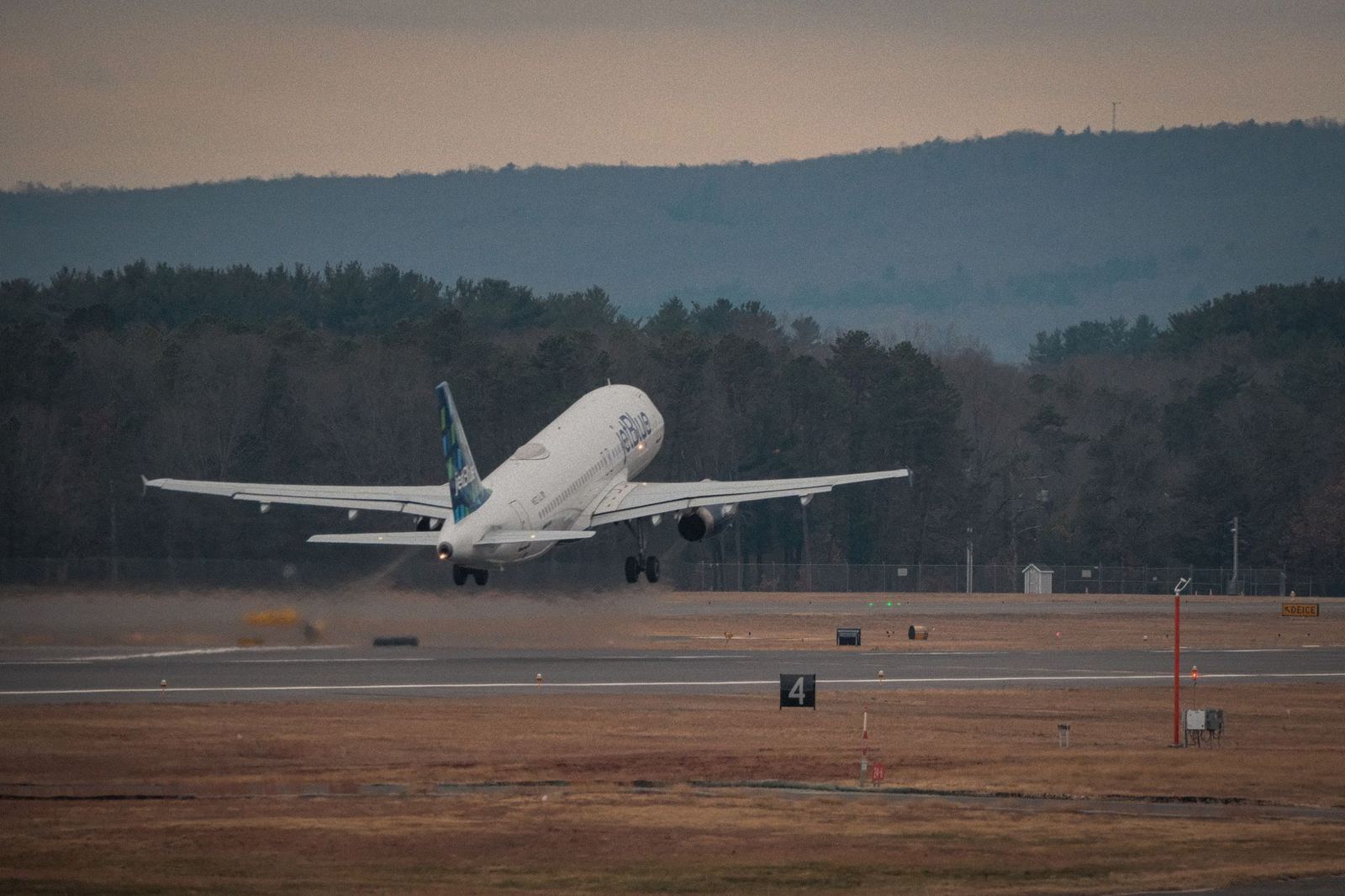
The US Federal Aviation Administration (FAA) will implement a permanent prohibited airspace designation, P-75, over Trump Tower in New York City, commencing October 29, 2026. This new regulation will forbid flight within approximately one nautical mile of the property, from the ground up to 1,000 feet. Unlike previous temporary measures, this restriction will be permanently marked on aeronautical charts and does not require annual renewal. Entry into this airspace will necessitate explicit permission from the US Secret Service, moving beyond standard air traffic control authorisations. This development formalises a security posture that has been maintained through temporary Special Security Instructions (SSI) since October 20, 2025, during Donald Trump's presidency. The primary impact of this permanent zone is on helicopters and drones, as conventional aircraft typically operate at altitudes above the restricted ceiling.
Rationale and Implementation Details
The Secret Service formally requested this permanent restriction, citing “adverse threat intelligence,” its ongoing protective mandate, and the potential for unauthorised aircraft. The current temporary SSI over Trump Tower is scheduled to expire on October 20, 2026. Curiously, the new permanent designation does not take effect until October 29, 2026, creating a nine-day interval where overflight might technically be permitted. Industry observers, including View from the Wing, anticipate a short extension of the existing temporary restriction to bridge this gap, preventing any lapse in security. This permanent designation places Trump Tower among a limited number of sites with such airspace protection, including critical government facilities like Camp David, the White House, and various military installations across the United States. This move represents a lasting federal measure applied to a private commercial property, rather than a purely governmental or critical infrastructure site.
Historical Precedents and Anomalies
While some former US presidents have received airspace protection for their residences, these have typically been temporary or eventually revoked. Richard Nixon's protections over Key Biscayne and his California home were cancelled in September 1974 following his resignation. Jimmy Carter's residence in Plains, Georgia, maintained protection until 1988, seven years post-presidency. Ronald Reagan's protections over Pacific Palisades and Rancho del Cielo were ultimately revoked, with the ranch restriction ending shortly after his term. The Bush family compound at Walker's Point, Kennebunkport, established during George H.W. Bush's vice presidency, remains active. However, no comparable permanent restricted areas exist for the private homes of Presidents Bill Clinton, Barack Obama, or Joe Biden, despite similar security risks during their time in office. This highlights the unusual nature of the Trump Tower designation.
Broader Implications and Industry Concerns
The establishment of a permanent no-fly zone over a private commercial property, distinct from official government sites, raises questions about the precedent it sets. Critics argue this grants a lasting federal privilege to Trump Tower, potentially increasing its value by shielding it from helicopter noise, irrespective of whether Donald Trump continues to reside there or owns the property. The FAA's own regulatory filing reportedly indicates little practical difference between this new rule and the existing temporary security directive, beyond its permanence. Former FAA Administrator Michael Huerta previously testified that the agency would not have approved similar permanent restrictions over Disney theme parks (Disneyland and Walt Disney World, established by law in 2003) if not legally mandated, suggesting that security was not the primary driver for those designations. This pattern shows a potential for regulatory actions to extend beyond immediate security needs.
Industry Watch and Asia's Perspective
For the global aviation industry, this decision underscores how political influence can shape airspace regulations, even for private assets. While the immediate operational impact on commercial airlines is minimal due to the low altitude and small radius, it establishes a unique long-term federal commitment to a specific private property. Travellers, particularly those using private helicopter charters or drones in New York City, must now permanently account for this restricted zone. In an Asian context, such permanent airspace restrictions over private commercial properties are uncommon. Security-related no-fly zones in Asia typically encompass government buildings, military installations, or critical infrastructure, mirroring the initial intent of most US prohibited areas. The Trump Tower precedent, extending indefinite federal protection to a private residence, could be watched by other nations, but it is unlikely to be replicated without strong, unique domestic political drivers, given its departure from standard security protocols for former leaders' private homes.
Get The Post.
The global travel stories that matter, three mornings a week. Free.
By subscribing you consent to receive this newsletter from GlobalTravelPost (Asia Press Centre Group); unsubscribe at any time.