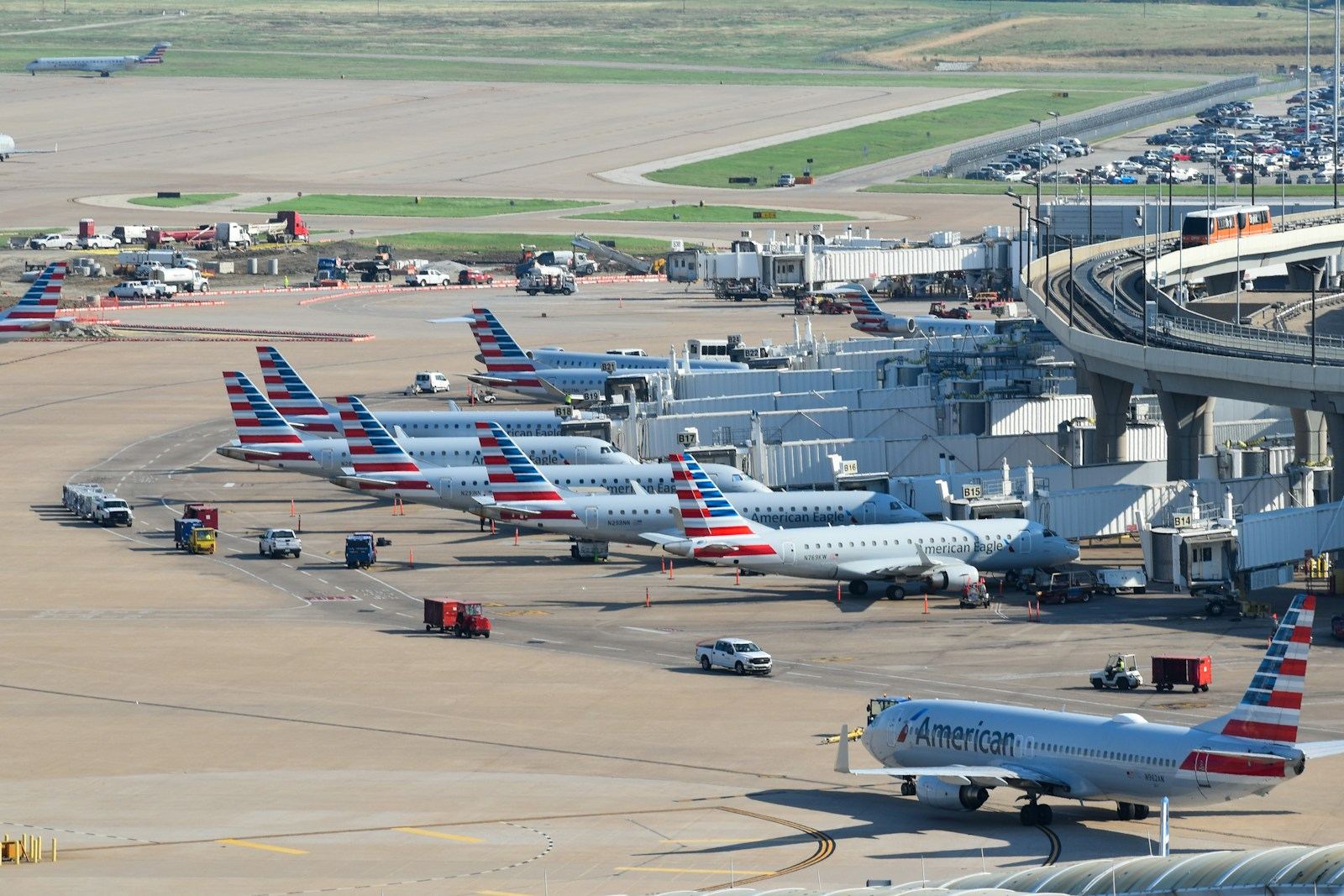
American Airlines 737 Forced Go-Around at Washington National After Regional Jet Enters Active Runway
An American Airlines Boeing 737 arriving at Washington National Airport initiated a go-around on July 30, 2026, after its pilots observed a Republic Airways regional jet on its intended landing runway. The incident, involving two Republic-operated American Airlines regional flights with similar callsigns, highlights critical air traffic control communication challenges, View from the Wing reports.
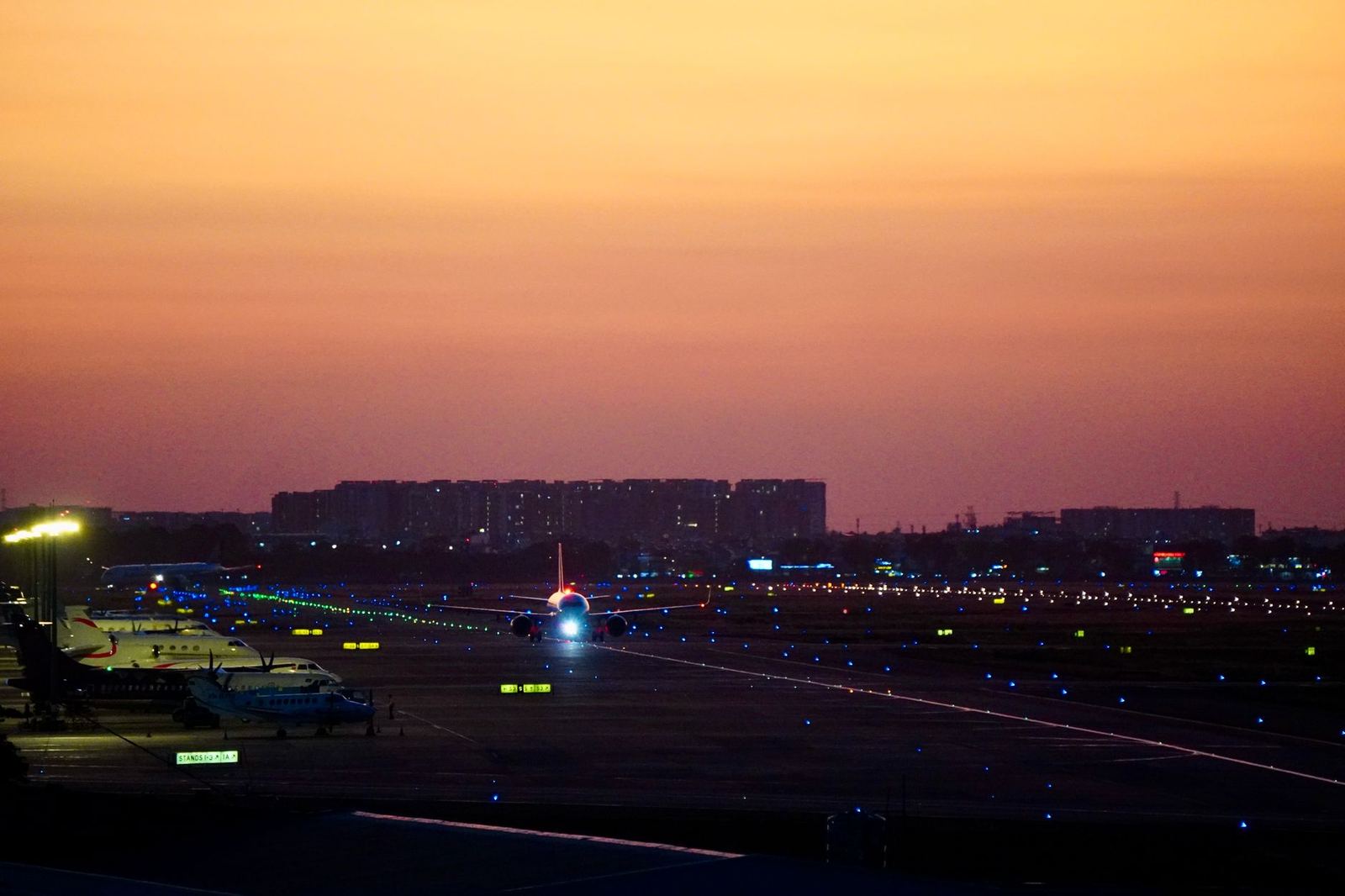
Near-Miss Incident at Washington National Airport
On Thursday, July 30, 2026, at approximately 6:55 p.m. Eastern Time, an American Airlines Boeing 737 (flight 3101) approaching Washington National Airport (DCA) from Dallas-Fort Worth was compelled to abort its landing on Runway 1. The pilots of American 3101 initiated a go-around after observing another aircraft, a Republic Airways regional jet operating as American Airlines flight 4752, on the runway. This prompted an immediate instruction from air traffic control for the 737 to climb and turn. The incident, detailed by View from the Wing, involved a Republic Airways Embraer E175, designated American Airlines flight 4752, which had entered Runway 1 without proper clearance, creating a direct conflict with the arriving passenger jet. This type of event, known as a runway incursion, demands scrutiny of air traffic management and pilot-controller communication protocols.
Misinterpretation of Air Traffic Control Clearance
The root cause of the incursion appears to be a misinterpretation of air traffic control instructions. According to View from the Wing, two Republic-operated American Airlines regional flights, Brickyard 4702 and Brickyard 4752, were holding at adjacent runways, Runway 4 and Runway 1 respectively. Air traffic control issued a 'line up and wait' clearance specifically for Brickyard 4702 on Runway 4. However, Brickyard 4752, positioned at Runway 1 and destined for Raleigh, seemingly accepted this clearance as its own and began moving onto its runway. Audio recordings reveal the crew of Brickyard 4752 initially asserted they had received clearance for Runway 1, before the tower clarified that the instruction was for Brickyard 4702 on Runway 4. This confusion, stemming from similar callsigns operating on the same frequency at a busy airport, led to both regional jets commencing movement following a single clearance.
Aircraft Proximity and Safety Measures
Upon spotting the Republic Airways Embraer E175 on Runway 1, the flight crew of American 3101 promptly executed a go-around. At its closest point of descent before climbing, American 3101 was approximately four-fifths of a mile from the runway threshold and about 320 feet above the ground, according to View from the Wing. While aviation watchdog JonNYC initially suggested a vertical separation of 800 feet, the clarified details indicate a close, though not immediately catastrophic, encounter. Air traffic control subsequently confirmed the go-around instruction and redirected American 3101 to a safe altitude and heading. This incident underscores the effectiveness of pilot vigilance as a critical last line of defence in preventing runway collisions, even when communication breakdowns occur within the air traffic control system.
Global Implications for Air Traffic Management and Communication
This runway incursion at Washington National Airport demonstrates the ongoing challenge of maintaining clear communication and preventing misinterpretation in high-density airspaces. The use of similar callsigns for flights operating concurrently on adjacent runways, as seen with Brickyard 4702 and 4752, presents a known risk factor that aviation authorities globally seek to mitigate. While this incident was not attributed to inadequate spacing by air traffic control, it highlights the need for robust pilot-controller communication protocols and crew vigilance. Lessons from such events inform safety reviews by regulatory bodies worldwide, including those overseeing major Asian aviation hubs like Singapore Changi, Incheon International, and Hong Kong International. These airports manage immense traffic volumes, and ensuring unambiguous clearances and strict adherence to procedures are paramount to preventing similar safety breaches in Asia's rapidly expanding air travel sector, driving continuous refinement of global aviation safety standards.
Get The Post.
The global travel stories that matter, three mornings a week. Free.
By subscribing you consent to receive this newsletter from GlobalTravelPost (Asia Press Centre Group); unsubscribe at any time.
Related stories.
Aviation Safety: Most Go-Arounds Occur in Final 500 Feet of Approach
Aviation Updates: Cathay Pacific Expands Latin America, TransNusa Adds Bali-Phuket, Emirates Upgrades Cabins, Cebu Pacific Adopts Starlink