US Air Bases in Middle East Under Fire in 2026 Iran Campaign; Flight Disruption Risk
Key US-operated air bases in the Middle East, including Muwaffaq Al Salti and Ali Al Salem, have come under sustained attack during the 2026 Iran campaign, according to Simple Flying. The conflict, which began in February 2026, has seen retaliatory missile barrages and operational challenges, raising questions for regional air travel and stability.
Conflict Escalates, Targeting Critical Air Infrastructure
A significant military campaign, 'Operation Epic Fury', commenced on 28 February 2026, with American and Israeli forces launching combined-arms attacks against approximately 1,000 targets in Iran. Within hours, Iran responded with extensive ballistic missile and one-way attack drone barrages across the region, explicitly targeting the coalition's operational network. Major US-operated facilities, including Al Udeid Air Base, Ali Al Salem Air Base, and Al Dhafra Air Base, received direct retaliatory missile strikes, Simple Flying reported. Al Udeid functioned as the combined air operations centre, coordinating electronic warfare and synchronising strike waves. Bombers and fighters launched from Al Dhafra and Muwaffaq Al Salti, supported by air tankers, while airlifters operated continuously from Ali Al Salem to sustain operations.
Muwaffaq Al Salti Air Base Sustains Direct Hits
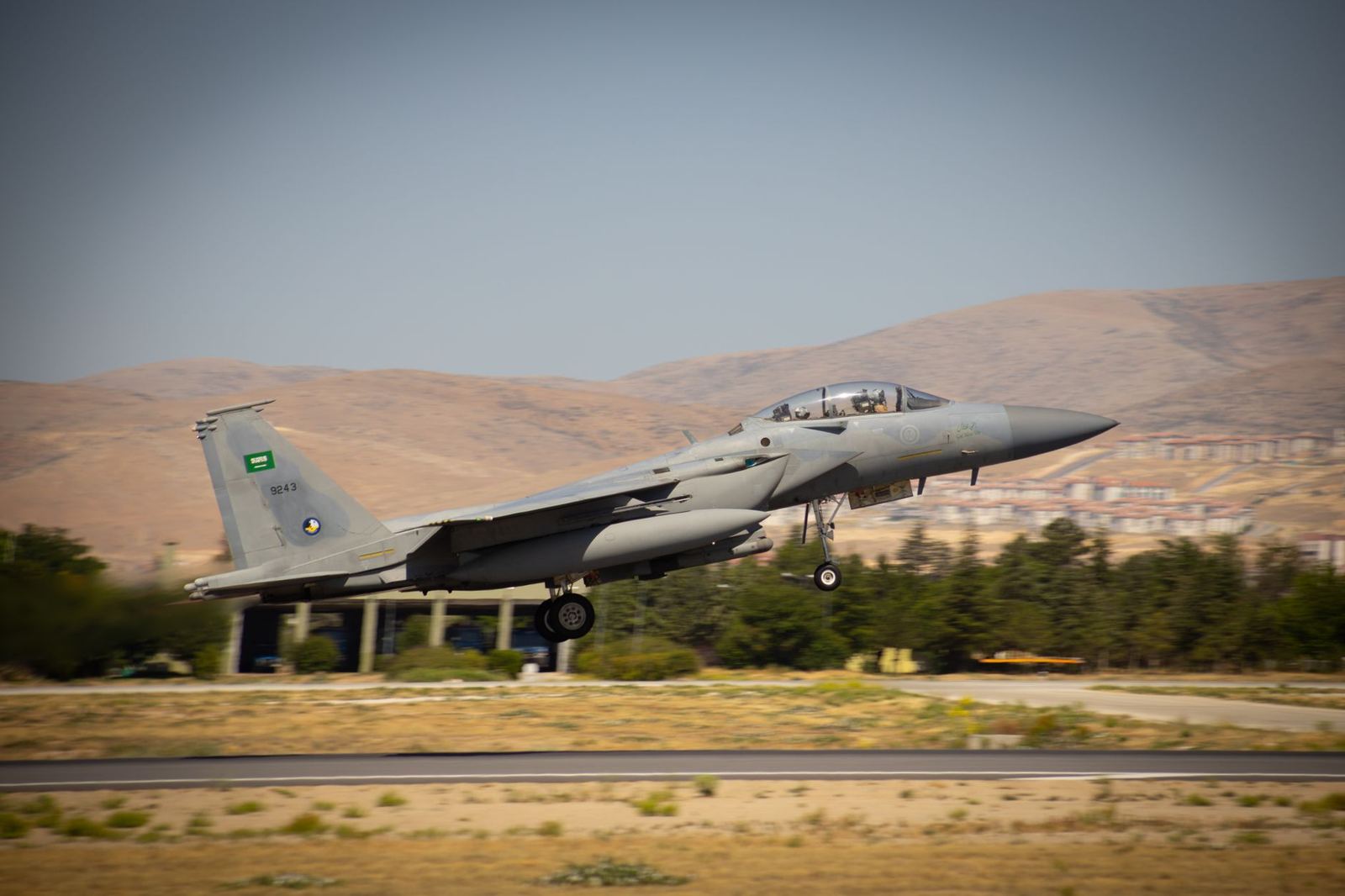
Muwaffaq Al Salti Air Base (MSAB) in Azraq, Jordan, a site first used as an airstrip in 1918, has served as a primary operating base for the Royal Jordanian Air Force since 1976. Since 2019, it has undergone extensive expansion, funded by the US Air Force. Today, MSAB hosts primary US Air Force tactical fighter jet squadrons, including F-15E Strike Eagles, F-16 Fighting Falcons, and A-10 Thunderbolt IIs. To protect these assets, the Pentagon established a dense, multi-layered air defence grid. Simple Flying stated the base claims to have defended against over half a dozen Iranian ballistic missile strikes since the operation's inception. On the night of 17 July 2026, Iran launched a substantial barrage of intermediate-range ballistic missiles. Online video showed multiple munitions bypassing the base's defensive systems and detonating inside the perimeter. This attack resulted in the deaths of three American service members and severe injuries to four others, as confirmed by CBS News. In response, American airstrikes intensified, with warplanes beginning to strike Iranian bridges, power stations, and electrical infrastructure to isolate southern provinces and cripple logistics.
Ali Al Salem Air Base: Airlift Hub and 'Friendly Fire' Incident
Ali Al Salem Air Base (ASAB), known as 'The Rock' in Kuwait, became notable for a 'friendly fire' incident during the conflict. Approximately 10 kilometres from the base, three Boeing F-15E Strike Eagles were shot down by surface-to-air missiles. This occurred amid the target saturation caused by Iranian ballistic missiles and nearly 300 strike drones, which led to confusion. Videos depicting the fighter jets being shot down and pilots being recovered by local forces circulated widely. The automated defence systems guarding ASAB's perimeter reportedly misidentified the low-flying, fast-moving F-15Es, which were returning from a strike mission, as incoming Iranian cruise missiles due to a presumed failure in friend-or-foe identification systems within the chaotic battlespace. All aircrew were recovered without life-threatening injuries, Simple Flying reported. Beyond this incident, ASAB has been a critical hub for airlift operations, hosting Lockheed C-130J Super Hercules aircraft of the 386th Air Expeditionary Wing, managing cargo and personnel movements across the Middle East. The C-130s also conduct high-risk, low-altitude supply runs to austere, unpaved front-line runways, supporting increasing reliance on uncrewed aircraft.
Regional Air Travel and Cargo Corridors Face Disruption
The ongoing hostilities and the targeting of major air bases in the Middle East show significant implications for commercial aviation and regional stability. The escalation of attacks, including strikes on civilian infrastructure within Iran, creates an unpredictable operational environment. For global travellers, this volatility raises concerns about flight path adjustments, particularly for carriers transiting the Middle East en route to Europe or Africa, potentially leading to longer flight times and increased fuel costs. Air cargo operations, vital for supply chains between Asia, Europe, and the Middle East, could face rerouting, delays, and higher insurance premiums, impacting the cost and efficiency of goods movement. The unclear timeline for an end to hostilities under Operation Epic Fury means these operational considerations will persist, requiring continuous assessment by airlines and logistics providers.
Asian Lens: Impact on Carriers and Regional Security
From an Asian perspective, the conflict in the Middle East presents direct and indirect challenges. Major Asian carriers, including those from Singapore, Hong Kong, and South Korea, frequently utilise Middle Eastern airspace for connections to Europe and beyond. Increased security risks in the region necessitate constant re-evaluation of flight corridors, potentially affecting route profitability and passenger confidence for travel through or to the Middle East. While direct military conflict is not occurring in Asia, the situation demonstrates how geopolitical tensions can rapidly disrupt international air travel, a lesson relevant for Asian nations with contested airspaces or maritime routes. The precedent of targeting critical infrastructure, even in a military context, shows the vulnerability of air networks to broader regional instability, a factor Asian civil aviation authorities monitor closely for their own strategic planning and security protocols. This ongoing situation serves as a critical case study for managing airspace security in volatile geopolitical landscapes, a concern that resonates across various Asian regions.
Get The Post.
The global travel stories that matter, three mornings a week. Free.
By subscribing you consent to receive this newsletter from GlobalTravelPost (Asia Press Centre Group); unsubscribe at any time.
Related stories.
Aviation Safety: Most Go-Arounds Occur in Final 500 Feet of Approach
American Airlines 737 Forced Go-Around at Washington National After Regional Jet Enters Active Runway