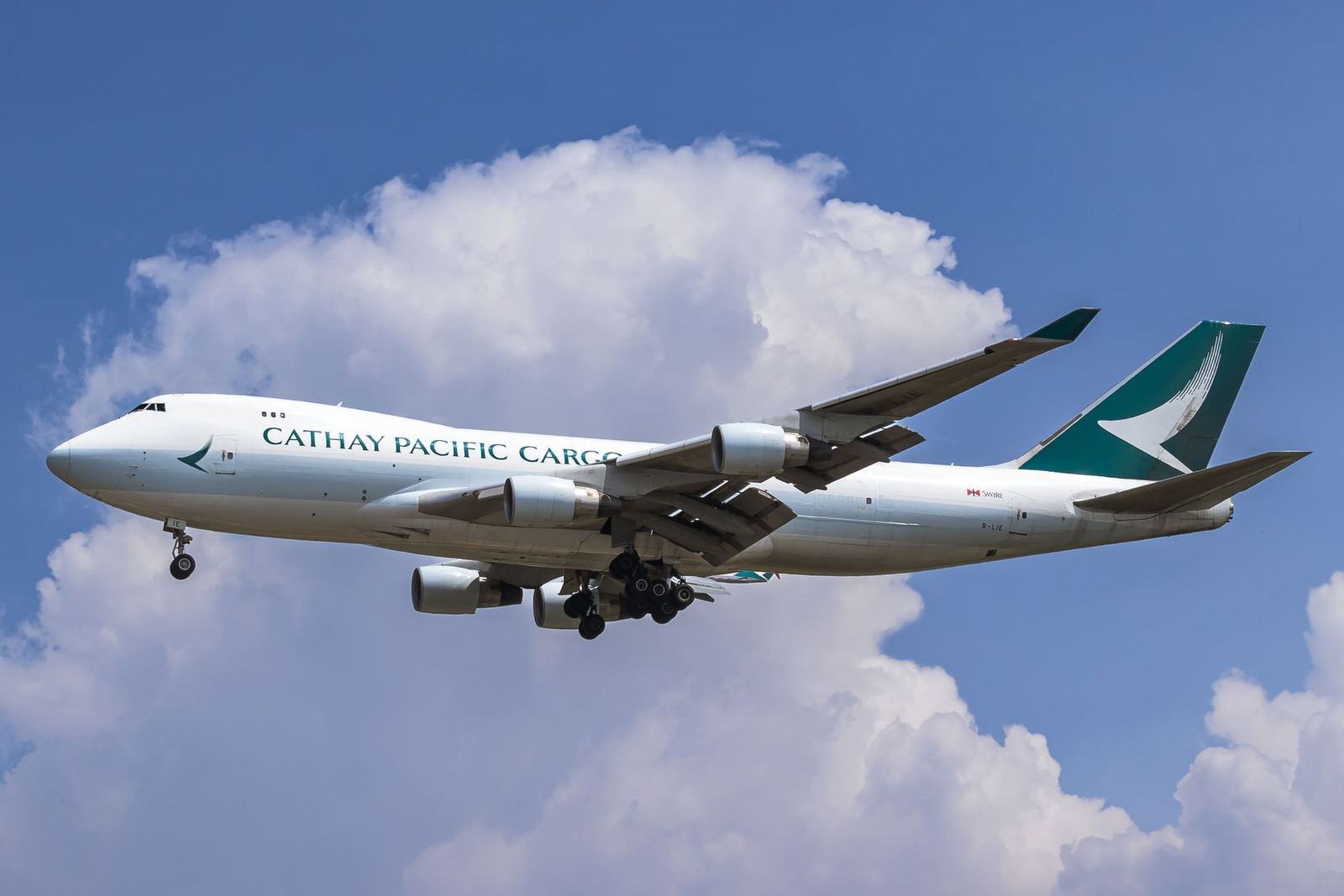
American Airlines' DFW Hub Lags in On-Time Performance Despite Schedule Revamp in Q2 2026
Dallas/Fort Worth International Airport (DFW), American Airlines' largest hub, showed only a minimal rise in on-time departures during the second quarter of 2026, despite a new operational schedule. This performance places DFW near the bottom of US airport rankings for punctuality.
DFW Punctuality Sees Minimal Gain
American Airlines' Dallas/Fort Worth (DFW) International Airport hub registered only a marginal increase in on-time departures during the second quarter of 2026, despite the carrier's broader network showing a notable rise in operational reliability. From April through June, 67.1% of American Airlines' flights departed DFW on schedule, an improvement of just 1.1 percentage points from 66% recorded in the corresponding period of the previous year. This data, sourced from aviation analytics firm OAG and reported by AirlineGeeks on Friday, July 31, 2026, reveals DFW's continued challenge in maintaining punctuality. Among the busiest airports in the United States, DFW remained the second-worst performer for departures, only marginally ahead of nearby Dallas Love Field. This performance follows American's strategic operational shift in April 2026, when it moved from a long-standing nine-bank schedule to a new 13-bank system. This change was implemented to spread its approximately 930 peak daily departures more evenly across the day, aiming to alleviate congestion and enhance overall reliability at its largest hub.
Systemwide Improvements and Airline's Response
Across its entire network, American Airlines demonstrated a more substantial improvement in the April-to-June 2026 quarter. The carrier's systemwide arrival rate reached 76.6%, an increase from 72.6% a year earlier, while cancellations decreased from 2.1% to 1.9%, OAG data shows. An American Airlines spokesperson informed AirlineGeeks that the company “delivered strong operational performance in the second quarter,” citing “significant operational enhancements delivering strong momentum and some of our best Q2 reliability and customer experience results in recent years.” The spokesperson acknowledged that severe weather events impacted operations during part of the quarter, making it “difficult — and at times impossible — to operate,” but maintained confidence that the implemented changes are “driving real, meaningful results.” However, other major US carriers, including Delta (82.2%), Alaska Airlines (82.3%), and United Airlines (78.2%), continued to outperform American's systemwide arrival rate during this period.
DFW Trails Other American Hubs Amidst Weather Challenges
DFW's modest 1.1-point improvement in on-time departures lagged behind several other major American Airlines hubs. For instance, Charlotte (CLT) saw a 4.8-point rise to 77.6%, and Philadelphia (PHL) improved by 4.3 points to 79.9% in the same period. Philadelphia, which also underwent a rebanking process, recorded an 18-point increase in on-time arrivals and nearly a 7-point rise in departures year-over-year in May, becoming American's highest-rated hub for customer satisfaction that month. Conversely, some hubs experienced declines, with Los Angeles (LAX) falling by 2.3 points to 79.4%, Chicago O'Hare (ORD) by 3.0 points to 73.4%, and Phoenix (PHX) by 3.6 points to 75.3%. DFW, American's largest hub handling around 930 departures and 100,000 travellers on peak days, is the country's second-busiest airport. Its cancellation rate saw a slight rise from 2.8% to 2.9% during the quarter.
Severe thunderstorms impacted North Texas throughout spring 2026, leading to multiple Federal Aviation Administration (FAA) ground stops at DFW in May and June. These events caused hundreds of flight cancellations and delays. American Airlines had previously cited weather challenges when announcing its rebanking strategy, arguing that smaller flight banks would allow the hub greater room to recover from disruptions compared to the previous packed schedule. OAG data does not differentiate between delay causes, making it unclear whether the spring of 2026 experienced more or less severe weather compared to 2025. American also lengthened scheduled block times on DFW flights, a measure it stated would improve on-time performance, as these metrics are assessed against published schedules.
Implications for Global Travel and Asian Markets
Despite the overall modest second-quarter results for DFW, American Airlines highlighted some initial positive indicators from April 2026, the first month of the new 13-bank schedule. During April, on-time arrivals at DFW improved by nearly 10 points year-over-year, missed connections almost halved, and customer satisfaction more than doubled, according to the airline. DFW also recorded its best-ever April for baggage handling. These figures, however, pertain specifically to arrivals and cover only April, predating the more severe weather events of May and June. The long-term efficacy of the rebanking strategy at American's largest hub remains under scrutiny, particularly as it continues to grapple with external factors like adverse weather.
For global travellers, particularly those connecting through DFW to or from Asian destinations, American Airlines' operational stability at its primary hub is critical. Persistent delays at DFW can create ripple effects across the airline's network, affecting connecting passengers far beyond Texas. While American's systemwide improvements are positive, DFW's continued struggle shows that the operational changes have not yet fully addressed the challenges at this high-volume gateway. Asian carriers and hubs, such as Singapore Changi or Seoul Incheon, often face similar congestion and weather-related issues but frequently rank highly in global on-time performance. This situation at DFW underscores the ongoing operational complexities for major global hubs and could influence route planning or alliance strategies for airlines with significant trans-Pacific operations, potentially encouraging a shift towards more reliable connecting points in the Americas if DFW's performance does not consistently improve.
Get The Post.
The global travel stories that matter, three mornings a week. Free.
By subscribing you consent to receive this newsletter from GlobalTravelPost (Asia Press Centre Group); unsubscribe at any time.
Related stories.
Aviation Safety: Most Go-Arounds Occur in Final 500 Feet of Approach
American Airlines 737 Forced Go-Around at Washington National After Regional Jet Enters Active Runway