Europe-Asia Direct Flights Surge Amid Gulf Instability
Airlines are significantly increasing direct flight capacity between Europe and Asia. This shift bypasses traditional transit points in the Persian Gulf. Regional instability prompts this change, with carriers expanding non-stop services. New alternative hubs are also emerging in India and Central Asia for connecting passengers.
Direct Services Gain Favour Amid Gulf Concerns
European and Asian airlines are expanding direct air links between the two continents. This development follows concerns over air hubs within the Persian Gulf region. Travellers now show a preference for non-stop routes, avoiding the area. This trend reverses a long-standing strategy by Gulf carriers. For years, these airlines used global hub models.
Airports like Abu Dhabi, Doha, and Dubai served as major transit points. The current situation has prompted a re-evaluation of these global turntable operations. Airlines are now redeploying aircraft previously assigned to Middle East routes. This strategy supports the growing demand for direct Europe-Asia connections. The shift reveals a change in passenger preferences. It also highlights the industry’s adaptability to geopolitical events affecting travel corridors.
European Carriers Boost Asian Connections
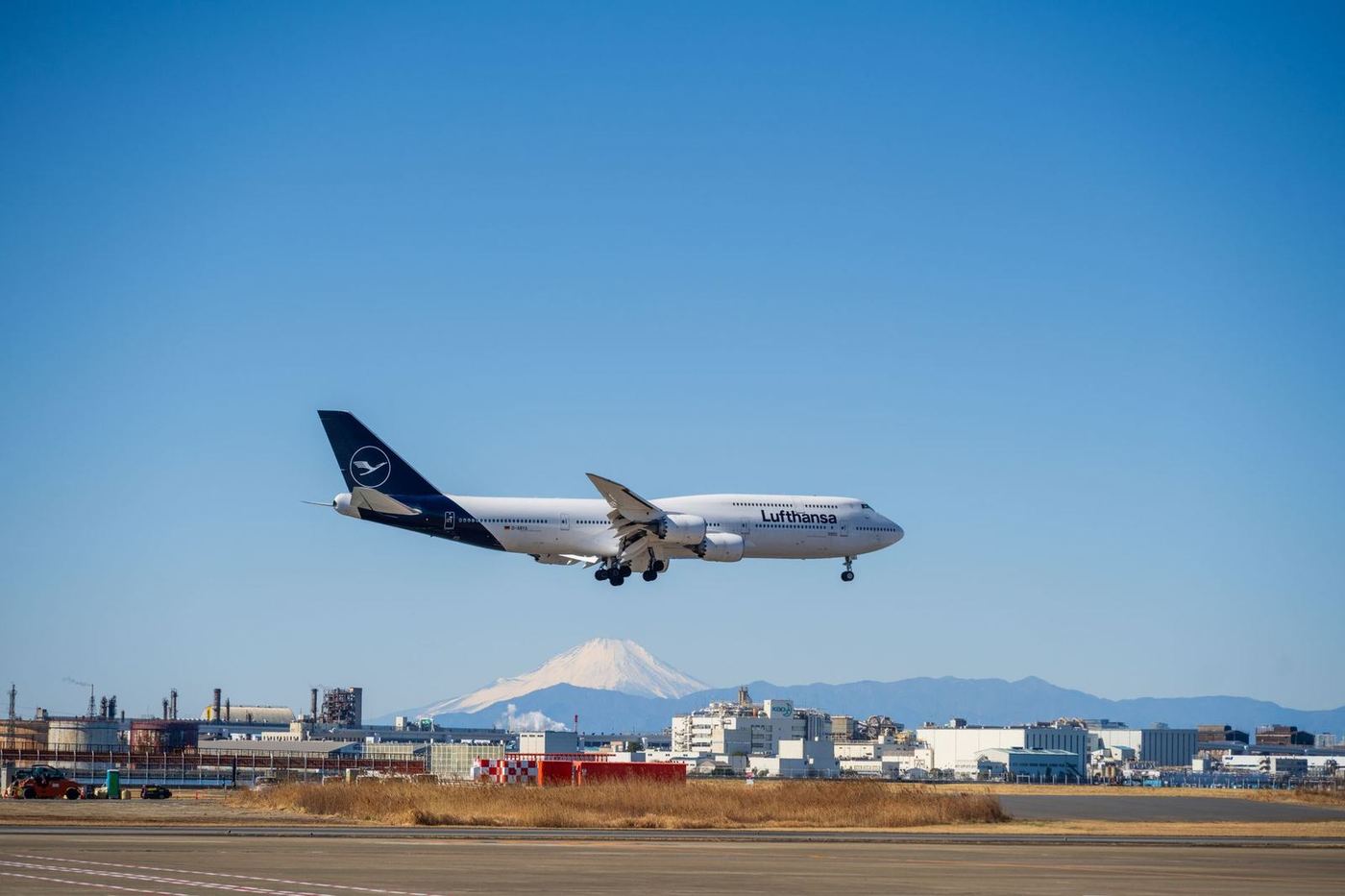
Several European airlines have already expanded their services to Asia. Lufthansa Group redirected capacity from Gulf routes to Asian destinations. Lufthansa plans to increase seat availability on flights from Frankfurt and Munich. These expanded routes serve Delhi, Shanghai, and Singapore. These connections show strong booking momentum.
Austrian Airlines, a Lufthansa subsidiary, increased frequencies between Vienna and Bangkok earlier this year. Air France added more flights from Paris CDG to Bangkok, Delhi, and Singapore. These additional services ran until 15 March. KLM introduced flights to Hyderabad from Amsterdam for the first time this summer. This expansion by European carriers addresses the rising demand. It offers more direct travel options for passengers.
Asian Airlines Reinforce European Networks
Asian carriers are also strengthening their direct links to Europe. Singapore Airlines, Thai Airways International, and Vietnam Airlines maintain all their European frequencies. Air India has added extra flights to Europe. Malaysia Airlines commenced additional special flights. These connect Kuala Lumpur to London Heathrow and Paris CDG.
Amirul Rizal bin Abdul Rahim, Director General of the Malaysian Tourism Board, stated government discussions are underway. These aim to encourage the national airline to serve more European cities. Garuda Indonesia relaunched its Amsterdam-Jakarta route. It offers up to three weekly frequencies in July.
Indonesia's Minister of Tourism, Widiyanti Putri Wardhana, confirmed Garuda’s strategy. This strategy focuses on offering more direct flights to Europe. Vietnam Airlines started three weekly flights between Amsterdam and Hanoi from 16 June. Lufthansa will also resume non-stop flights from Frankfurt to Kuala Lumpur five times a week from October.
Emerging Hubs and Market Implications
The current situation also fosters the rise of new alternative transit hubs. Airports in India and Central Asia are gaining prominence. Uzbek airline Centrum Air plans to launch direct flights. These will connect Tashkent with Frankfurt and Copenhagen in spring 2026. Air Astana, a major regional operator, is also under consideration for expansion.
However, these new routes and alternatives have not yet stabilised airfares. Analysts observe a rise in prices on Europe-Asia routes. The present scenario highlights global air transport’s reliance on Gulf hubs. It also prompts questions about future economic models. These models may emerge once regional stability returns. Travellers should monitor route developments and fare trends closely.
Get The Post.
The global travel stories that matter, three mornings a week. Free.