FAA Mandates Boeing 737 MAX Seat Inspections for Safety Compliance
The United States Federal Aviation Administration (FAA) has proposed a directive requiring inspections of passenger seat assemblies on 453 US-registered Boeing 737 MAX aircraft. This action addresses concerns about improperly installed seats, which could disengage under stress. The directive follows Boeing regaining privileges for new aircraft certification.

New Directive Targets Seat Assembly Integrity
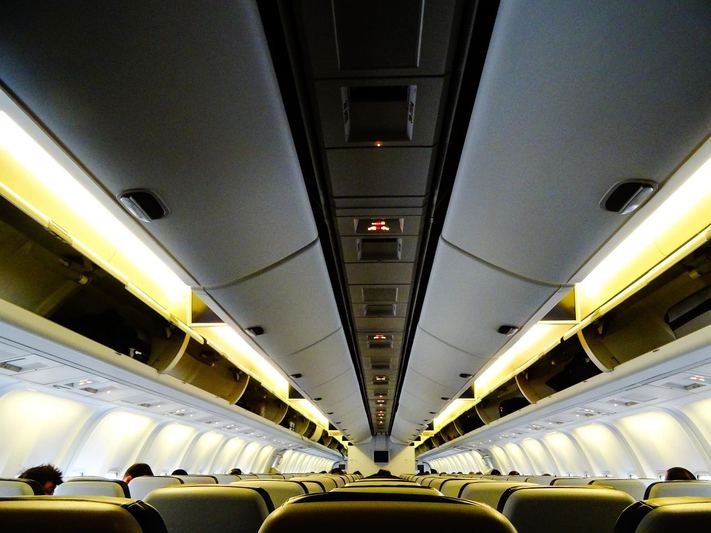
The United States Federal Aviation Administration (FAA) proposed an Airworthiness Directive (AD) on July 27, 2026, targeting passenger seat assemblies on 453 US-registered Boeing 737 MAX aircraft. This measure addresses reports of seats potentially installed incorrectly onto seat rails.
Such improper installation could lead to seat assemblies disengaging from their tracks under increased load, such as during an emergency landing or severe turbulence. Boeing first issued guidance to airlines regarding this issue in December 2025. The FAA's proposed AD transforms these recommendations into mandatory repairs, ensuring regulatory compliance across affected fleets. This action underscores a commitment to maintaining rigorous safety standards within commercial aviation operations.
Increased Oversight Following Certification Change
This directive arrives shortly after the FAA granted Boeing permission to independently issue airworthiness certificates for new 737 MAX and 787 models. This privilege was reinstated on July 20, 2026, having been suspended in recent years.
While Airworthiness Directives are routine in commercial aviation, this particular AD shows the FAA's continued, close oversight of Boeing's manufacturing processes. The inspections will focus on up to 69 track-mounted passenger seat assemblies per aircraft. Each inspection is estimated to take one hour, with repairs requiring an additional hour per assembly.
Multiple technicians can work simultaneously, reducing aircraft ground time. The AD is expected to take effect in September.
Operational Impact for Global Operators
The directive will affect an unspecified number of foreign 737 MAX aircraft, as other regulators typically adopt FAA ADs. Globally, between 31,000 and 80,000 seats may require inspection. The core issue involves aft shear plungers failing to engage correctly in seat tracks during assembly.
In the US, major operators include Southwest Airlines with 325 737 MAX units, United Airlines with 290 units, American Airlines operating 103 examples, and Alaska Airlines flying 100 aircraft. Allegiant Air also operates 21 737 MAX units. These figures mean over half of the 839 737 MAX aircraft flown by US airlines today will require inspection. US operators may incur up to $2.66 million in combined repair costs.
Implications for Airlines and Passengers
While Airworthiness Directives are a standard part of aircraft maintenance, this specific action demonstrates sustained regulatory scrutiny on Boeing. For airlines, the mandatory inspections and potential repairs will necessitate operational planning to minimise disruption. This includes scheduling aircraft downtime and allocating resources for maintenance personnel.
Travellers can anticipate an enhanced level of safety assurance, as these measures directly address potential risks associated with seat integrity. The FAA's proactive approach reinforces confidence in the airworthiness of the 737 MAX fleet. Industry stakeholders will monitor how quickly airlines comply and any subsequent adjustments to flight schedules.
Get The Post.
The global travel stories that matter, three mornings a week. Free.