Frontier Airlines Declares Medical Emergency After Four Flight Attendants Fall Ill Mid-Flight
A Frontier Airlines flight from Cleveland to Fort Lauderdale on 13 August 2026 declared a medical emergency when four of its five flight attendants became unwell during the flight. The incident led to the cancellation of two subsequent Frontier services.
Mid-Flight Illness Prompts Emergency Declaration
Frontier Airlines flight F9-1046, carrying up to 230 passengers from Cleveland to Fort Lauderdale International Airport (FLL), declared a medical emergency on 13 August 2026. The pilots initiated the emergency protocol shortly before landing after four of the five flight attendants on board reported feeling unwell during the two-hour flight.
The aircraft, a 10-year-old Airbus A321 powered by CFM-56 turbofan engines, had departed Cleveland at approximately 7:53 am. Pilots communicated with Miami approach air traffic control, requesting emergency medical responders to meet the plane upon arrival at its gate.
The pilot conveyed that "All my flight attendants have headaches, and now three, now four, are nauseous," detailing the developing situation in the cabin.
Operational Impact and Unconfirmed Cause
The aircraft landed at FLL without further incident and proceeded to gate A4, where emergency medical personnel were waiting. Following the incident, Frontier Airlines cancelled two subsequent flights.
The return service from Fort Lauderdale to Cleveland, scheduled for 11:30 am on 13 August 2026, was cancelled, as was a second flight from Cleveland to Fort Lauderdale planned for the afternoon of the same day. Frontier Airlines did not immediately provide a comment regarding the incident. The precise cause of the flight attendants' illness remains unconfirmed.
However, such incidents are frequently linked within the airline industry to what are termed 'odor events,' sometimes referred to as 'fume events' or even 'toxic fume events.'
Bleed Air Systems and Cabin Air Quality Concerns
These 'odor events' typically occur when vaporised engine oil or other chemicals used within an aircraft's engines enter the air conditioning system.
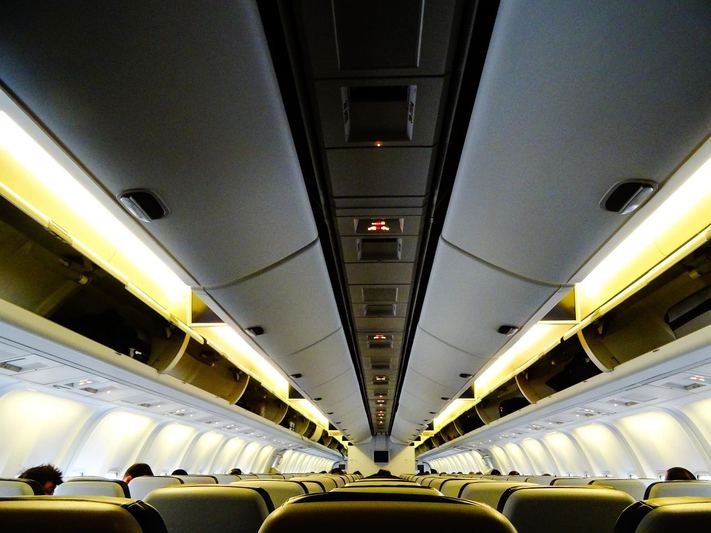
This issue arises because most commercial aircraft draw the air for their passenger cabins directly from the engines via a process known as 'bleed air.' Such incidents can be more prevalent after engine maintenance, when these compounds are more likely to be present in the system.
While most odor or fume events cause only mild and temporary symptoms, there is an ongoing discussion within the aviation sector regarding the long-term health implications of repeated exposure to such incidents for crew members and passengers alike. This concern underscores the complexity of maintaining optimal cabin air quality in modern aircraft designs.
Industry Scrutiny and Ongoing Legal Challenges
The issue of cabin air quality, particularly concerning bleed air systems, has prompted significant scrutiny within the aviation industry. Airbus, a major aircraft manufacturer, currently faces multiple lawsuits related to 'toxic' cabin air incidents caused by vaporised compounds entering the bleed air system.
These legal actions, initiated by crew members, allege that these events have led to chronic and debilitating long-term medical conditions. One veteran United Airlines flight attendant's complaint described the issue as the manufacturer's "dirty little secret." Airbus continues to contest these lawsuits, maintaining its position on the safety of its aircraft.
These legal battles highlight the persistent debate surrounding the potential health effects of cabin air contamination and the responsibility of aircraft manufacturers.
Implications for Travel Safety and Industry Standards
This Frontier Airlines incident, where multiple crew members became ill, draws renewed attention to the critical issue of cabin air quality and its direct impact on both flight crew and passenger well-being. For travellers, such events can lead to unexpected flight cancellations and delays, as demonstrated by the two Frontier services affected on 13 August 2026.
For the aviation industry, these incidents underscore the ongoing need for rigorous maintenance protocols and continued research into bleed air system integrity.
The persistent legal challenges against manufacturers like Airbus show that this issue remains a significant concern, potentially driving future design modifications or operational standards aimed at mitigating the risks associated with 'odor events' and ensuring a consistently healthy cabin environment for all on board.
Get The Post.
The global travel stories that matter, three mornings a week. Free.