Google Flights: 15 Years, A380 & Aviation History 'Easter Eggs'
The travel search engine introduces 15 'Easter Eggs' revealing iconic air travel moments, including Singapore Airlines' A380 launch on the Singapore–Sydney corridor.
Google Flights Marks Anniversary with Historic Features
Google Flights is marking its 15th anniversary by integrating 15 unique aviation history cards, referred to as "Easter Eggs", directly into its search results. These features appear when users search for specific historic flight routes, offering a glimpse into significant moments in commercial air travel.
The initiative, observed by users on 15 October 2026, commemorates the search engine's evolution since its launch in September 2011 following the acquisition of ITA Software.
The cards aim to enrich the flight search experience by juxtaposing historical milestones with current booking options, allowing travellers to explore the heritage of air routes while planning contemporary journeys. This move reflects Google's continued innovation in making travel information more accessible and engaging for a global audience.
Spotlight on Asia-Pacific Aviation Milestones
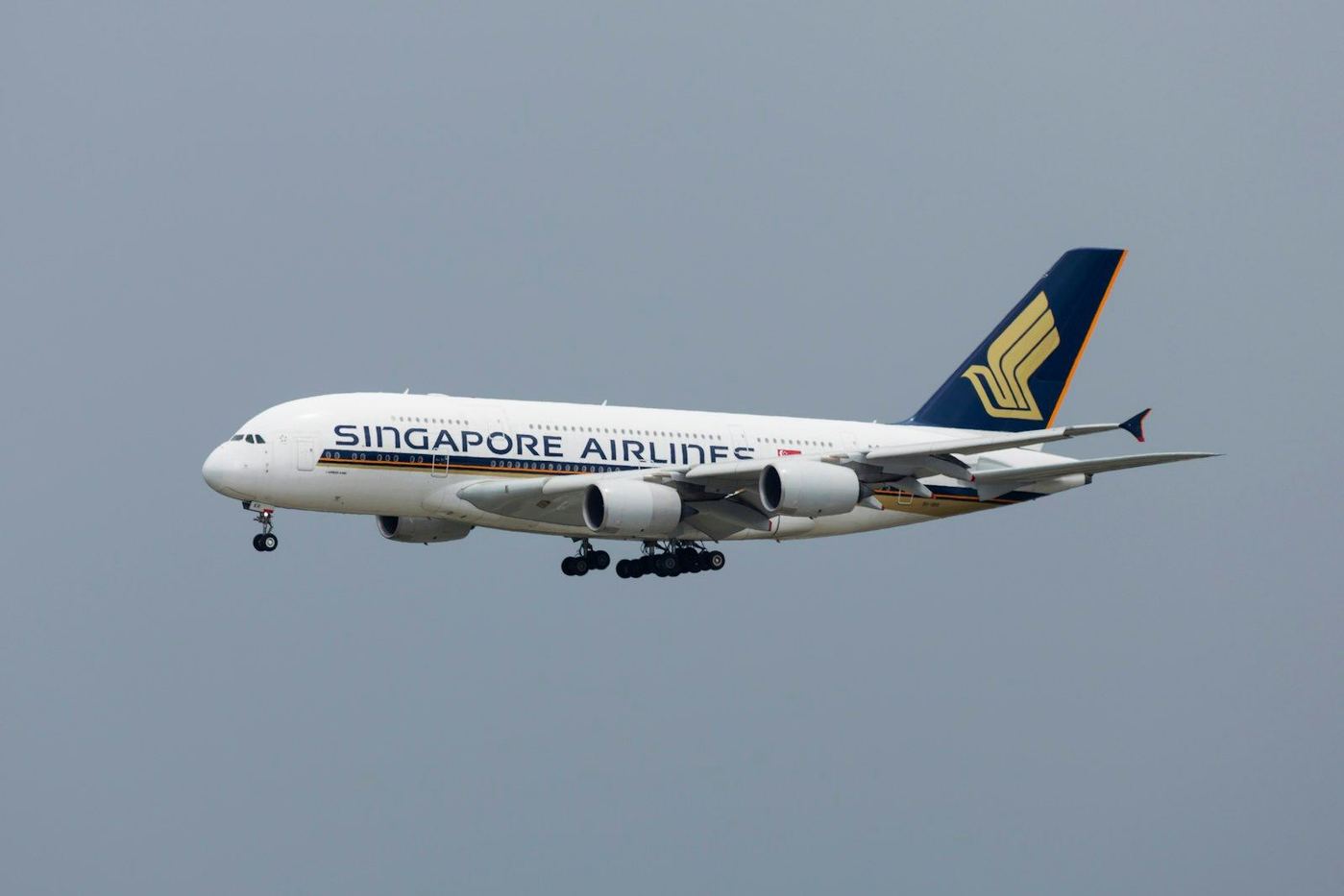
Among the notable aviation milestones featured, Google Flights highlights Singapore Airlines' introduction of the Airbus A380. This significant event in modern commercial aviation occurred in 2007 when the superjumbo commenced service on the Singapore–Sydney route.
Travellers searching for flights between Changi Airport (SIN) and Sydney Airport (SYD) may encounter a dedicated card detailing this historic debut.
Other celebrated routes include Concorde's transatlantic service between London Heathrow (LHR) and New York JFK (JFK) in 1977, and United's inaugural Boeing 747 "Friend Ship" flight from San Francisco (SFO) to Honolulu (HNL) in 1970.
The collection also acknowledges BOAC's pioneering de Havilland Comet jet service from London Heathrow to Johannesburg (JNB) in 1952, and KLM's first London–Amsterdam (LHR–AMS) flight in 1920.
Accessing Historical Flight Data
To access these aviation history cards, users need to perform a flight search on Google Flights for the relevant city pairs and travel dates. The "This route in history" card appears below the price-tracking controls on desktop searches, providing details specific to that historic journey.
For instance, the card for BOAC’s de Havilland Comet service reveals a journey time of 23 hours and 38 minutes, including five intermediate stops. Similarly, the United 747 feature recalls the aircraft's upstairs cocktail lounge and onboard amenities like mai tais and leis.
KLM’s inaugural flight card notes that it transported two reporters, newspapers, and a letter from London's mayor, illustrating the early days of commercial air transport. These historical snippets offer a rich context for the routes travellers use today.
Google Flights' Expanding Capabilities for Travellers
Since its inception in September 2011, Google Flights has expanded significantly beyond its initial offering of limited U.S. city searches and roundtrip economy tickets. The platform now supports international itineraries, premium cabin bookings, and advanced price tracking and history tools.
A notable addition in May 2024 was the inclusion of Southwest Airlines fares, providing a more comprehensive comparison for customers. More recently, in August of this year, Google integrated flight price tracking into its Search AI Mode and enabled hotel bookings directly within the AI interface, with loyalty programme award prices also visible.
These developments show Google’s continued effort to offer more customised and integrated travel planning advice, moving closer to acting as a comprehensive digital travel agent.
Implications for Asian Travel Technology and Consumers
The integration of aviation history into Google Flights illustrates a growing trend in travel technology: enriching user experience beyond transactional bookings. For Asian travel technology providers and airlines, this move highlights the value of incorporating unique content and historical context to engage consumers.
While Google Flights already serves as a primary search tool for many Asian travellers, the new features could encourage deeper exploration of routes, potentially influencing destination interest based on aviation heritage.
Asian airlines and tourism boards could explore similar digital storytelling initiatives to differentiate their offerings and connect with a new generation of travellers who value both historical context and modern convenience in their travel planning. This approach could enhance brand loyalty and drive interest in specific destinations.
Get The Post.
The global travel stories that matter, three mornings a week. Free.


