Haze Prompts Malaysia Tour Cancellations, Indonesia Flight Disruptions
Inbound operators in Malaysia report November booking reductions, while Indonesia has recorded over 2,600 domestic flight cancellations due to regional haze ahead of year-end travel.
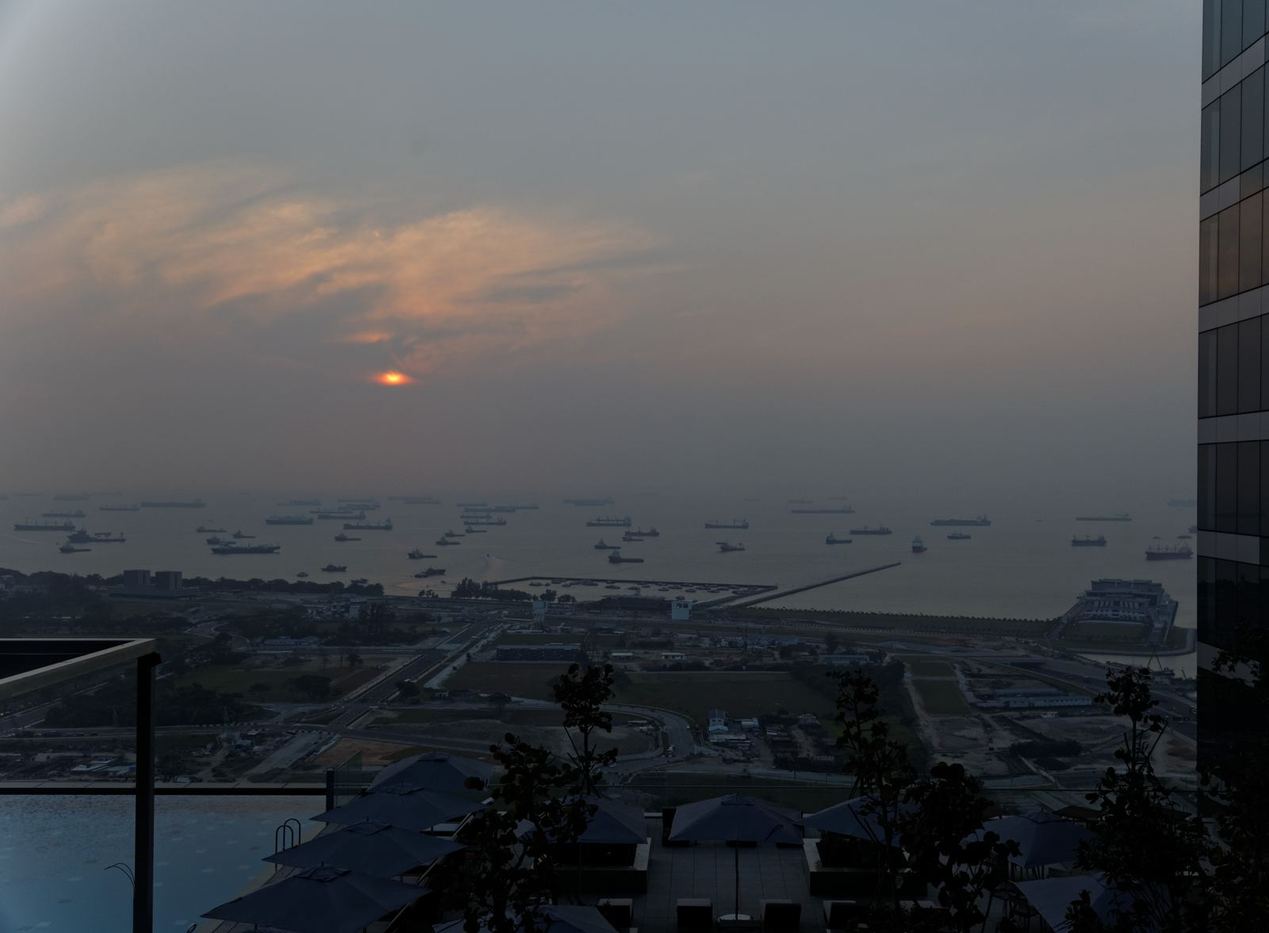
Southeast Asia Travel Disrupted by Haze
Haze originating from Indonesian forest and peatland fires is currently causing significant travel disruptions across Southeast Asia, impacting Malaysia, Indonesia, and Singapore. In Malaysia, inbound tour operators are observing a rise in cancellations for November 2026 bookings.
Mohd Khalid Harun, president of the Malaysia Tourism Agency Association (MATA), confirmed a noticeable decrease in new bookings and an uptick in cancellations, particularly affecting travel scheduled for the coming month.
This environmental challenge emerges as Malaysia's tourism board, Visit Malaysia, was already facing considerable hurdles in achieving its target of 47 million international visitors for the current year, 2026, a goal that appeared ambitious even before the widespread haze began.
Indonesia's Air Travel and Singapore Sightseeing Affected
The adverse effects of the haze extend significantly to Indonesia's domestic air travel sector, which has logged more than 2,600 disrupted flights. Concurrently, in Singapore, tour operators have been compelled to shorten sightseeing itineraries as the regional haze diminishes air quality and visibility.
The root cause of this widespread atmospheric pollution is attributed to months of persistent wildfires across Indonesia's forest and peatland areas, creating a challenging environment for both residents and travellers throughout the affected nations.
Major Cities Record Hazardous Air Quality
The severity of the air quality situation was particularly evident in October 2026, when prominent regional capitals, including Jakarta, Kuala Lumpur, and Singapore, experienced periods where air pollution levels were deemed hazardous. This recurring environmental phenomenon presents a substantial and ongoing challenge to the region's travel and tourism industry.
The timing is notably unfortunate, as the haze has settled over the area just as the crucial year-end travel season approaches, a period typically vital for tourism revenue across Southeast Asia.
Implications for Year-End Travel and Industry
The persistent haze carries immediate consequences for travellers planning trips to Southeast Asia in the coming weeks, with a heightened risk of further flight delays, cancellations, and alterations to pre-booked itineraries.
For the travel industry, particularly tour operators and airlines, this translates into continued revenue losses and increased operational complexities in managing customer service and rebooking procedures.
Destinations like Malaysia, already struggling to meet their annual visitor targets, may experience additional pressure on their tourism recovery efforts, necessitating adaptive strategies to mitigate the environmental impact on visitor numbers and maintain international confidence.
Get The Post.
The global travel stories that matter, three mornings a week. Free.


