Hong Kong Travel: Efficiency and Etiquette for Visitors
Navigating Hong Kong's bustling districts is smoother with local insights, from using the Octopus card and mastering public transport to understanding dining customs.
Essential Preparations for Hong Kong
Hong Kong, a compact 430-square-mile destination, is divided into Hong Kong Island, the Kowloon Peninsula, and the New Territories, each offering distinct cultural and historical attractions. The Condé Nast Traveler article highlights that with over seven million residents in a densely populated urban environment, efficiency is paramount.
Visitors are expected to move quickly, whether queuing or using public transport. English is one of the city’s official languages, and residents are generally helpful with directions, easing communication for international travellers. Understanding these foundational aspects can significantly enhance a visit, allowing travellers to maximise their time in this dynamic Asian hub.
Public Transport and the Octopus Card
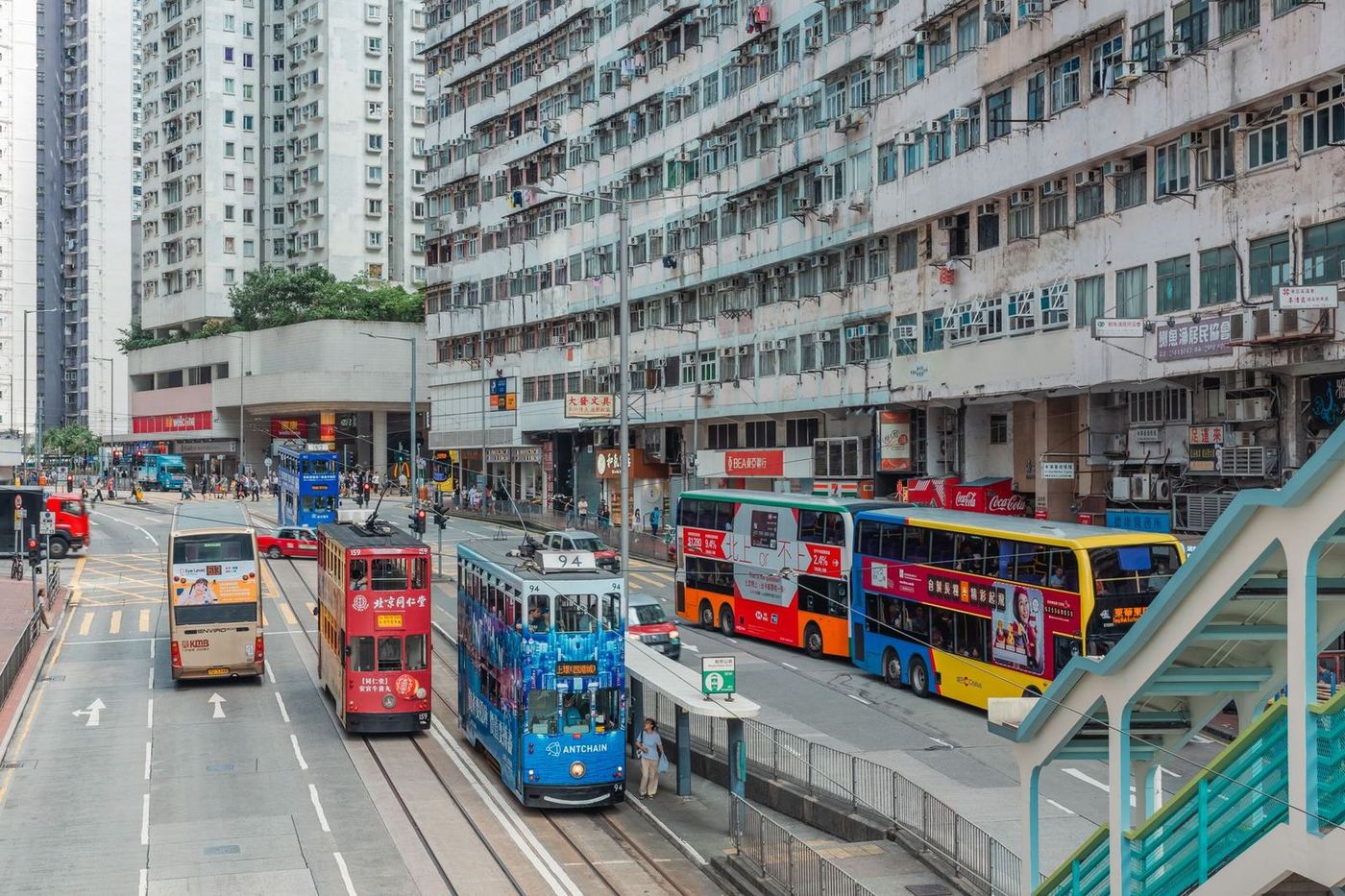
A key element for efficient travel in Hong Kong is the Octopus card, described by Condé Nast Traveler as an "amped-up version" of London's Oyster card. This contactless smart card is essential for navigating the city's extensive public transport network, including the MTR subway, double-decker buses, trams, and ferries to the Outlying Islands.
The Condé Nast Traveler article specifies that the card requires a 50 Hong Kong Dollar (approximately $6.50 USD) deposit, which is refundable upon return, and can be used at over 30,000 retail outlets, from convenience stores to museums.
Public transport etiquette is strict: keep right on escalators, allow passengers to alight first, offer seats to those in need, and strictly avoid eating or drinking on board to maintain cleanliness.
Dining and Language Customs
Hong Kong's culinary scene, particularly its dim sum culture, is a central part of a visit. Condé Nast Traveler advises arriving for dim sum before 12 p.m. or after 2 p.m. to avoid peak crowds, suggesting popular spots like Tim Ho Wan or Luk Yu Teahouse.
Dining etiquette includes tapping the table with two fingers for tea refills and using printed order forms with photographs of dishes. When it comes to language, the Condé Nast Traveler article emphasises that Cantonese, not Mandarin, is the primary language spoken in Hong Kong.
While "Ni hao" might not be overtly corrected, the traditional greetings are "Jo sun" in the morning and "Nei ho" for the rest of the day, with "Mmm goi" serving as a versatile "excuse me" or "thank you".
Cultural Attractions and Museum Access
Beyond its outdoor appeal, Hong Kong offers a rich array of indoor cultural attractions.
Condé Nast Traveler points to two world-class institutions: the Hong Kong Palace Museum, which charges 70 Hong Kong Dollars (around $9 USD) for entry and showcases treasures from Beijing's Palace Museum, and the M+ Museum, focusing on contemporary Asian arts with an entry fee of 190 Hong Kong Dollars (approximately $24.25 USD).
Additionally, a variety of niche museums, such as the Flagstaff House Museum of Tea Ware and the Hong Kong Maritime Museum at the Central Star Ferry Pier, provide deeper insights into the city's history. The Condé Nast Traveler article notes that many of these smaller museums offer free entry on Wednesdays, providing an accessible cultural option for visitors.
Concrete Benefits for Asian Travellers
Travellers from neighbouring Asian economies, already familiar with high-efficiency urban environments, stand to gain significantly from embracing Hong Kong's local customs.
For instance, adopting the Octopus card, which carries a 50 HKD deposit, not only streamlines transit across all public transport modes but also facilitates payments at over 30,000 retail points, aligning with regional trends towards integrated digital payment systems.
Furthermore, understanding Cantonese greetings like "Jo sun" or "Nei ho" can foster genuine connections, while navigating dim sum etiquette, such as ordering before 12 p.m. to avoid peak wait times at establishments like Tim Ho Wan, directly translates into a more enjoyable and less stressful culinary experience.
These practical insights allow visitors to save time and money, making their Hong Kong visit more efficient and culturally resonant.
Get The Post.
The global travel stories that matter, three mornings a week. Free.


