India Proposes New Airfare Rules Amid Festive Price Hikes
India's government requires airlines to submit fare structures to the DGCA a month in advance, following festive season fare spikes of up to 68% on key domestic routes.
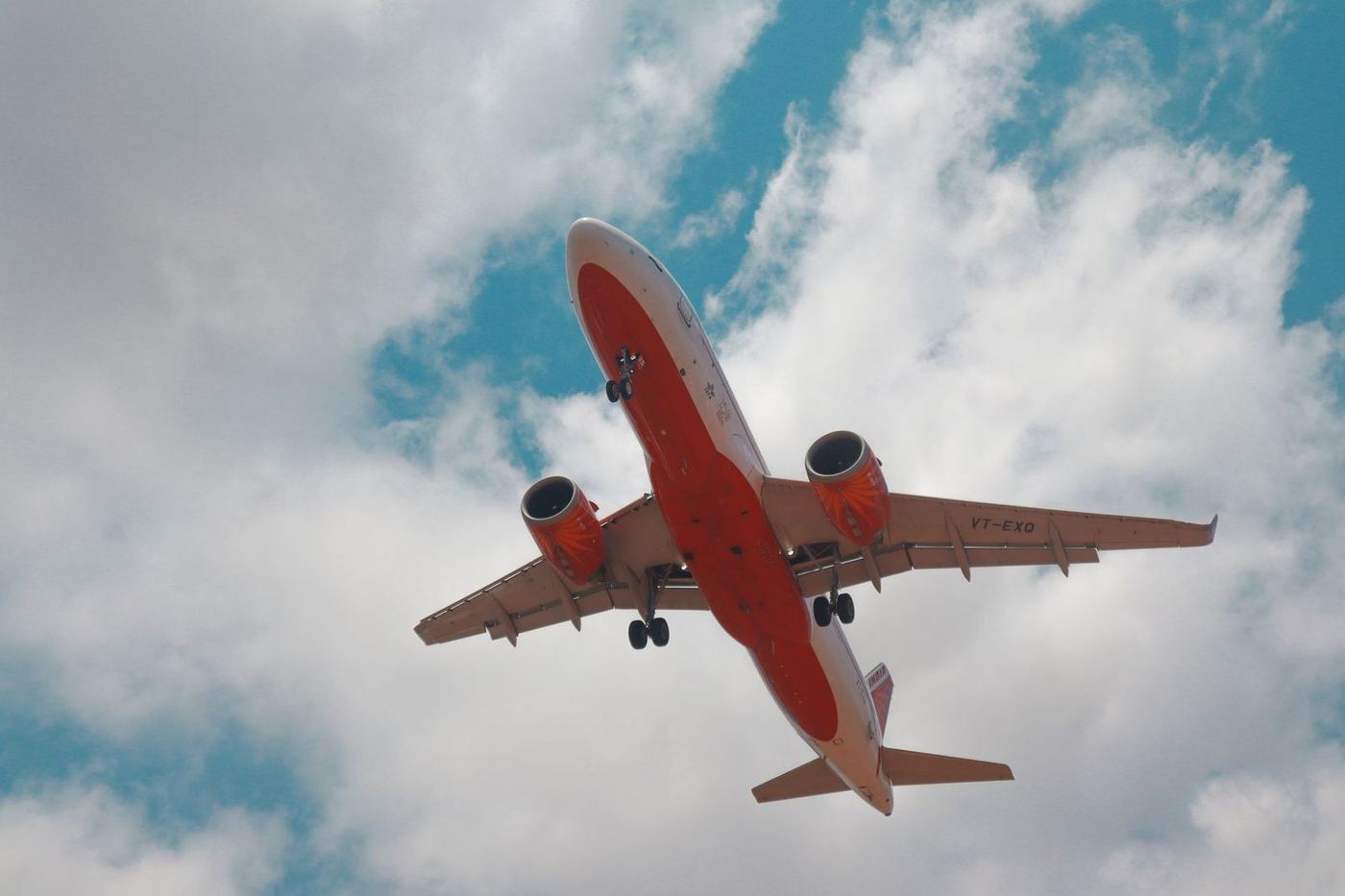
India Drafts Advance Fare Submission Rules
India’s government has prepared a new framework for domestic airfares, which will mandate airlines to submit their fare structures to the Directorate General of Civil Aviation (DGCA) one month ahead of time.
This regulatory move follows a Public Interest Litigation (PIL) filed last year against sharp fluctuations in airfares, which led the Supreme Court to question the Centre about safeguards against arbitrary price increases.
The proposed rules aim to strike a balance, maintaining market-based pricing while allowing for intervention during extraordinary situations, according to government sources.
Significant Fare Increases During Festive Travel
The new framework emerges as India's festive season travel has revealed substantial increases in airfares on major domestic corridors. Between September 1 and November 10, average one-way fares saw a 68% rise on the Delhi-Hyderabad route, a 51% increase on Mumbai-Kolkata, and a 39% jump on Delhi-Goa.
These spikes underscore the challenges passengers face, particularly during peak travel periods or when responding to family emergencies. In June 2023, the Civil Aviation Ministry previously ruled out capping ticket prices, stating that such market intervention could skew competition and reduce the benefits of deregulation, a policy in place since 1994.
Aviation Industry Faces Capacity and Cost Pressures
Efforts to protect passengers from significant price increases are complicated by several factors affecting the Indian aviation industry, including rising fuel costs, constrained aircraft capacity, and a history of airline failures. India has seen the collapse of multiple private carriers, such as Kingfisher Airlines in 2012, Jet Airways in 2019, and Go First in May 2023.
Each of these events, alongside others, demonstrated the difficulty of sustaining an airline in a market where customers are very sensitive to price and operational costs are substantial. Go First’s suspension, for instance, removed approximately 170 to 180 daily flights, causing immediate capacity shortages and sharp fare increases on some leisure routes.
Outlook for India's Air Travellers and Carriers
Once implemented, India's new airfare framework could offer travellers greater predictability in pricing, especially during high-demand periods. For airlines, the requirement to submit fare structures a month in advance introduces a new layer of regulatory oversight, which may influence their dynamic pricing strategies.
The Civil Aviation Ministry’s cautious approach to fare controls indicates a continued emphasis on market mechanisms, with interventions reserved for specific circumstances.
This ongoing tension between ensuring passenger affordability and supporting airline profitability will likely shape future policy adjustments, particularly as the industry remains susceptible to capacity shocks and economic pressures.
Get The Post.
The global travel stories that matter, three mornings a week. Free.


