Japan Airlines A350-1000 Flies Again After Seven-Month JFK Grounding
A Japan Airlines Airbus A350-1000, grounded for over seven months following a ground collision at New York JFK Airport, completed its first test flight on 29 July 2026, according to Simple Flying.
Japan Airlines A350-1000 Completes Test Flight
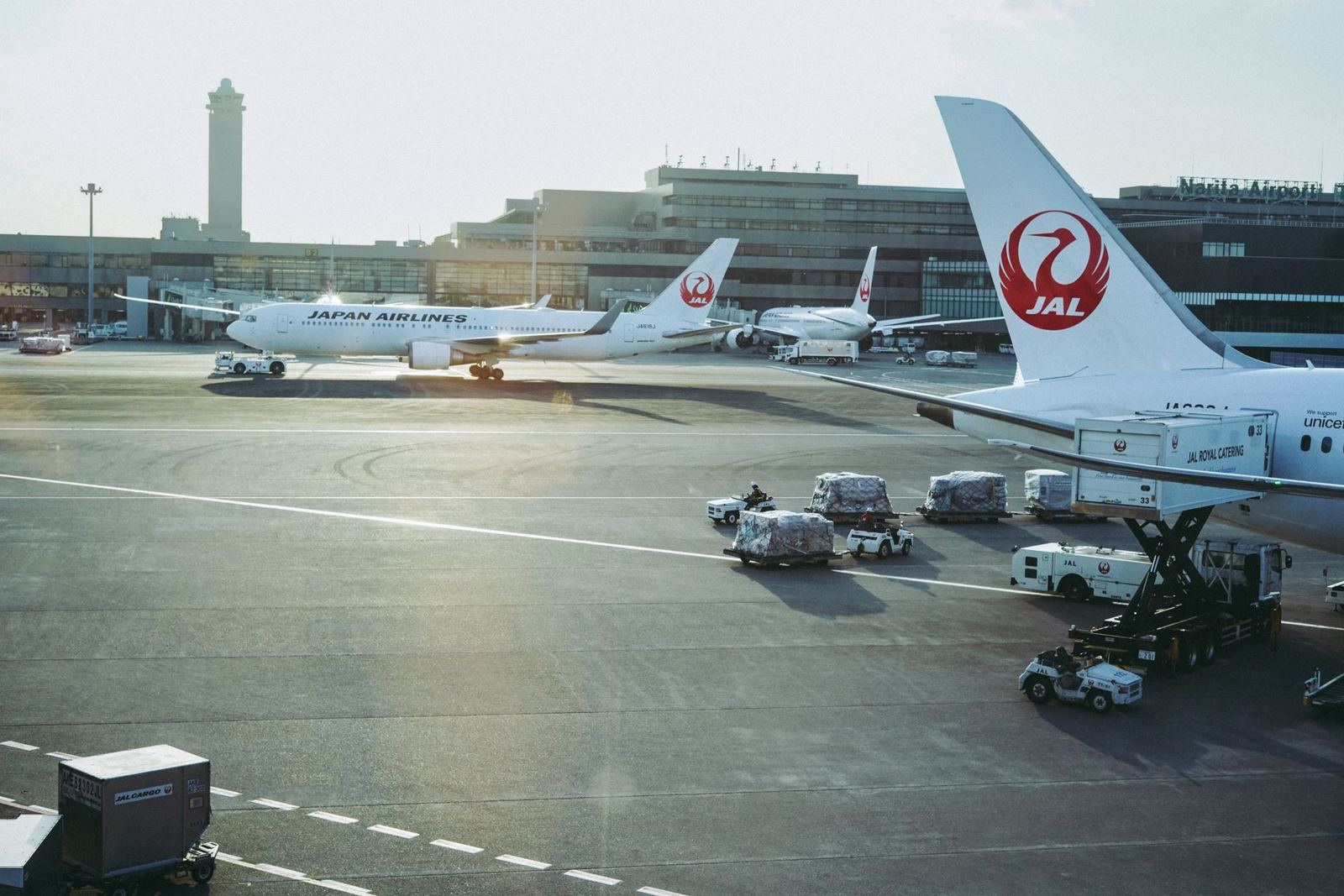
Japan Airlines (JAL) Airbus A350-1000, registered JA10WJ, successfully completed its first flight in more than seven months on 29 July 2026. The aircraft, which had been grounded at New York JFK Airport (JFK) since December 2025, operated a test flight, designated JL8181, departing and returning to JFK. The flight lasted approximately three hours and 43 minutes, taking off at 12:39 PM and landing back at 4:21 PM. This development, reported by Simple Flying, marks a key step towards returning one of JAL's newest long-haul aircraft to commercial service. The A350-1000 had been out of service since a ground incident at JFK, which required extensive repairs to a critical part of the aircraft. Its unusual flight number and routing confirm the nature of this post-maintenance operational check.
Details of the Ground Collision Incident
The A350-1000's grounding stemmed from a collision that occurred on 14 December 2025, at approximately 00:40 local time, while the aircraft was parked in a designated maintenance area at JFK. According to Simple Flying, an Airbus A330-200, registration 9H-ALC, operated by Hi Fly for Israeli carrier Arkia, struck JA10WJ during a towing operation. The impact severely damaged the A350-1000's left-side cockpit windows, the left pitot tube, and the lower area around its first left-side passenger door. While maintenance personnel were present during the incident, no injuries were reported. The extensive nature of the damage, particularly to safety-critical sensors and fuselage structure, necessitated a prolonged period of repair and inspection, leading to the nearly eight-month grounding.
Operational Impact on JAL's Flagship Fleet
The absence of JA10WJ significantly affected Japan Airlines' international operations, as the A350-1000 is the carrier's flagship aircraft for long-haul routes. JAL currently operates a fleet of 11 Airbus A350-1000s, with two additional units scheduled for delivery over the next year. The airline also operates 17 Airbus A350-900s primarily for high-capacity domestic routes, with another 20 on order to supplement its international fleet from fiscal 2027. The grounding of JA10WJ, which had entered commercial service on 29 July 2025, quickly led to schedule changes and aircraft substitutions, with JAL announcing these adjustments on 17 December and 24 December 2025. The duration of the repairs underscores the complexities involved in maintaining new composite aircraft, especially when away from their primary maintenance bases in Japan.
Next Steps and Implications for Asia's Aviation Sector
While JA10WJ's test flight marks a positive development, it does not confirm an immediate return to commercial passenger service. Japan Airlines and the involved maintenance organisations will now analyse flight data and conduct further inspections before approving the aircraft for passenger operations. The next steps could include another test flight or a ferry flight from JFK back to Japan; however, JAL has not yet published a schedule for the aircraft’s departure from New York. For Asian travellers and the broader aviation industry, this incident demonstrates the operational vulnerabilities and capacity challenges that can arise from unexpected aircraft groundings, particularly for new, technologically advanced aircraft. It shows how the temporary removal of even a single long-haul asset can compel a major Asian carrier like JAL to adjust its international network, affecting route availability and passenger choices on key intercontinental corridors. This situation underscores the importance of resilient fleet management and maintenance strategies for carriers across Asia, where rapid growth in air travel demands consistent operational readiness.
Get The Post.
The global travel stories that matter, three mornings a week. Free.
By subscribing you consent to receive this newsletter from GlobalTravelPost (Asia Press Centre Pte. Ltd.); unsubscribe at any time.