Luxury Operators Adopt Japanese Omotenashi for Enhanced Guest Care
The Japanese concept of omotenashi, focused on anticipatory and intuitive guest care, is redefining service standards across the global luxury travel sector, as reported by Condé Nast Traveler on August 3, 2026.
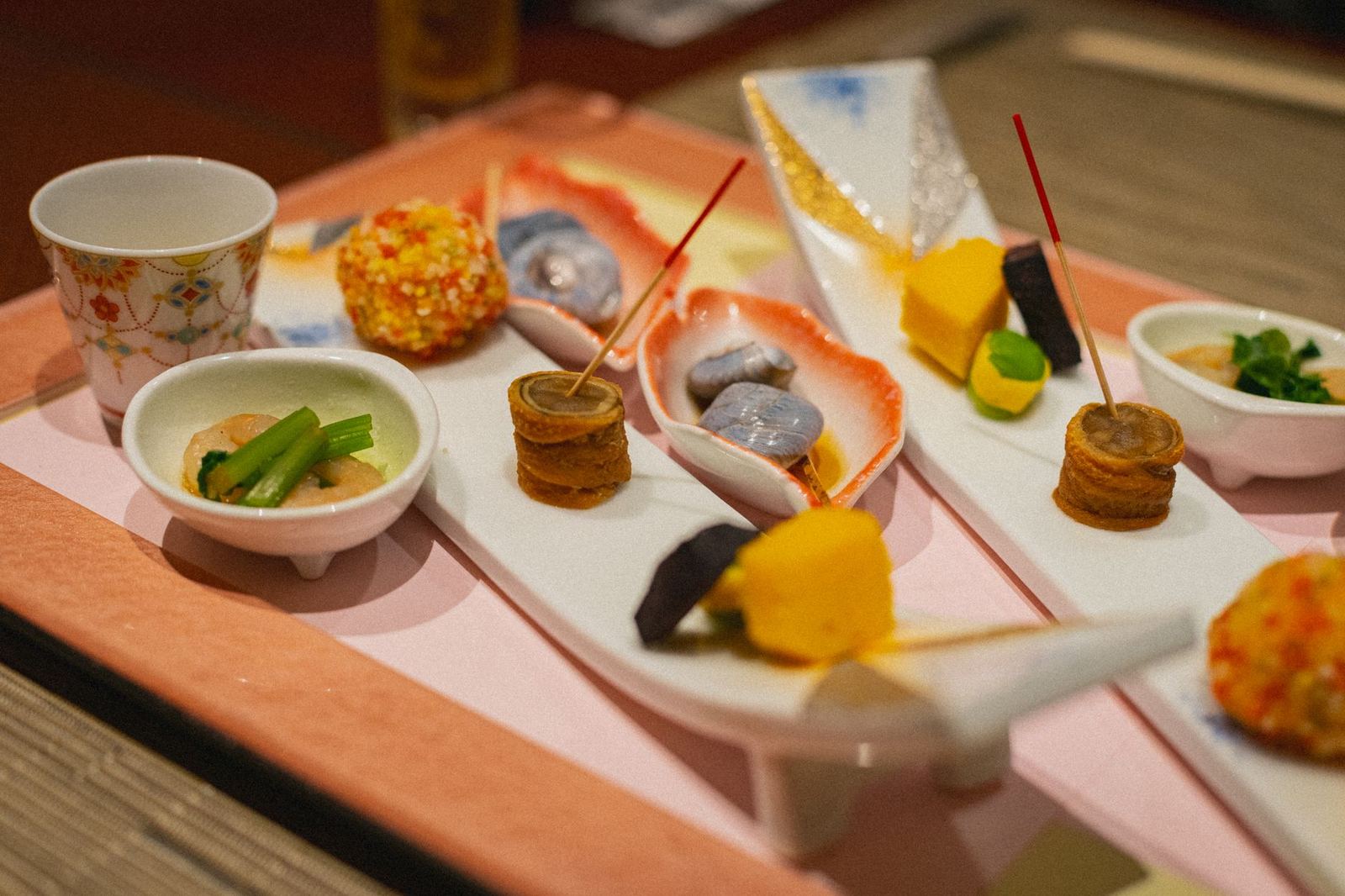
Anticipatory Hospitality Redefines Luxury Travel
The Japanese concept of omotenashi increasingly shapes luxury travel service globally. This approach prioritises intuitive guest care over traditional polished service. It involves anticipating a guest’s needs before they articulate them. Omotenashi shows a host’s ability to sense what makes a guest comfortable. It aims to act proactively, ensuring a seamless stay. Condé Nast Traveler reported on this emerging trend on August 3, 2026. The publication noted omotenashi moves beyond basic attentiveness. It focuses on subtle, sincere gestures that appear effortless. This concept originated from chado, the Japanese art of tea. Every detail in chado considers the guest and the season. This sensitivity now translates into travel experiences worldwide. It transforms ordinary details into memorable moments for travellers. This shift reflects a growing demand for bespoke service. Guests seek personalised care without overt formality. This form of attentiveness is now a defining characteristic. It sets new standards for high-end travel providers.
Tailored Service Beyond Expectation
Luxury tour operator Micato Safaris demonstrates this approach in Africa. An American couple on safari mentioned sharing milkshakes on anniversaries. Their safari director noted this detail. Despite remote bush camps lacking freezers, Micato organised a solution. Ice cream was flown from Nairobi to Tanzania by charter aircraft. It was then made into milkshakes at a camp kitchen. Another vehicle transported them to meet the couple mid-route. This logistical effort delivered a personal anniversary ritual. It highlights understanding guest desires before they are explicitly requested. Similarly, Hoshinoya Tokyo, a contemporary ryokan, embodies omotenashi. Staff at the central Tokyo property observe guests’ shoe sizes upon arrival. Shoes are stored and later presented at the exit without prompting. General Manager Masanori Ikegami states this requires intensive communication and precise memorisation. These small actions create a feeling of being understood.
Proactive Solutions and Personalised Attention
This intuitive care extends to practical problem-solving. The St. Regis Venice butler team showed proactive service. Upon learning a family’s luggage was lost, they stocked the suite. Pyjamas, toiletries, and a children’s bedtime story awaited the guests. This action mitigated the impact of an airline’s error. It ensured the family’s first night was comfortable. HADCO Experiences in Trinidad and Tobago also applied this principle. A guest using a wheelchair wished to visit the Oilbird Cave. The rainforest trail was largely inaccessible. Two tour guides and three maintenance staff assisted the guest. They worked for three hours, using hiking sticks and personal support. This allowed the avid birder to reach the cave safely. Group Project Manager Matthew Hadad confirmed their determination to help. Such efforts move beyond standard service protocols.
Operational Integration and Industry Implications
Adventure tour operator Backroads integrates omotenashi into active travel. Guides adjust bike fits before discomfort arises. They replace e-bike batteries proactively. Water bottles are refilled during lunch breaks. Routes are tweaked based on group pace. Lauran Intinarelli, Backroads’ Vice President of Leader Development, notes these practical saves. She also recalls guides surprising a gardener with tomato seeds. This shows an instinct for guest comfort and memorable details. The broader luxury travel sector is now adopting this philosophy. Travellers increasingly expect tailored, seamless interactions. This trend drives operators to invest in staff training. It requires advanced internal communication systems. Hotels and tour companies must develop subtle observation skills. The focus shifts to anticipating unspoken needs. This redefines service benchmarks for the global industry.
Get The Post.
The global travel stories that matter, three mornings a week. Free.
By subscribing you consent to receive this newsletter from GlobalTravelPost (Asia Press Centre Pte. Ltd.); unsubscribe at any time.