Kuala Lumpur International Airport Records Strong First-Half Passenger Growth
Kuala Lumpur International Airport (KLIA) processed 23.4 million international passengers in the first half of this year. This 7.8% increase from 2025 was driven by the expansion of new direct routes.
Passenger Performance and Growth Drivers
Kuala Lumpur International Airport (KLIA) recorded significant passenger growth during the first half of 2026. The airport processed 23.4 million international travellers within this six-month period. This figure shows a 7.8% increase compared to the same timeframe in 2025. Total passenger movements across KLIA's terminals reached 31.7 million. This marked a 5.4% rise from the previous year's total. Airport data indicates that the primary driver for this expansion was the introduction and strengthening of new direct flight routes. KLIA, located in Sepang, holds the distinction of being Southeast Asia's largest airport by land area. Its expansive footprint covers approximately 100 square kilometres. The facility serves as a critical aviation hub, facilitating both domestic and international air travel across the region. Furthermore, improved utilisation of existing airline capacity contributed to higher international load factors. This demonstrates a robust and sustained demand for air travel services even amidst a dynamic global environment.
Enhanced Connectivity and Regional Impact
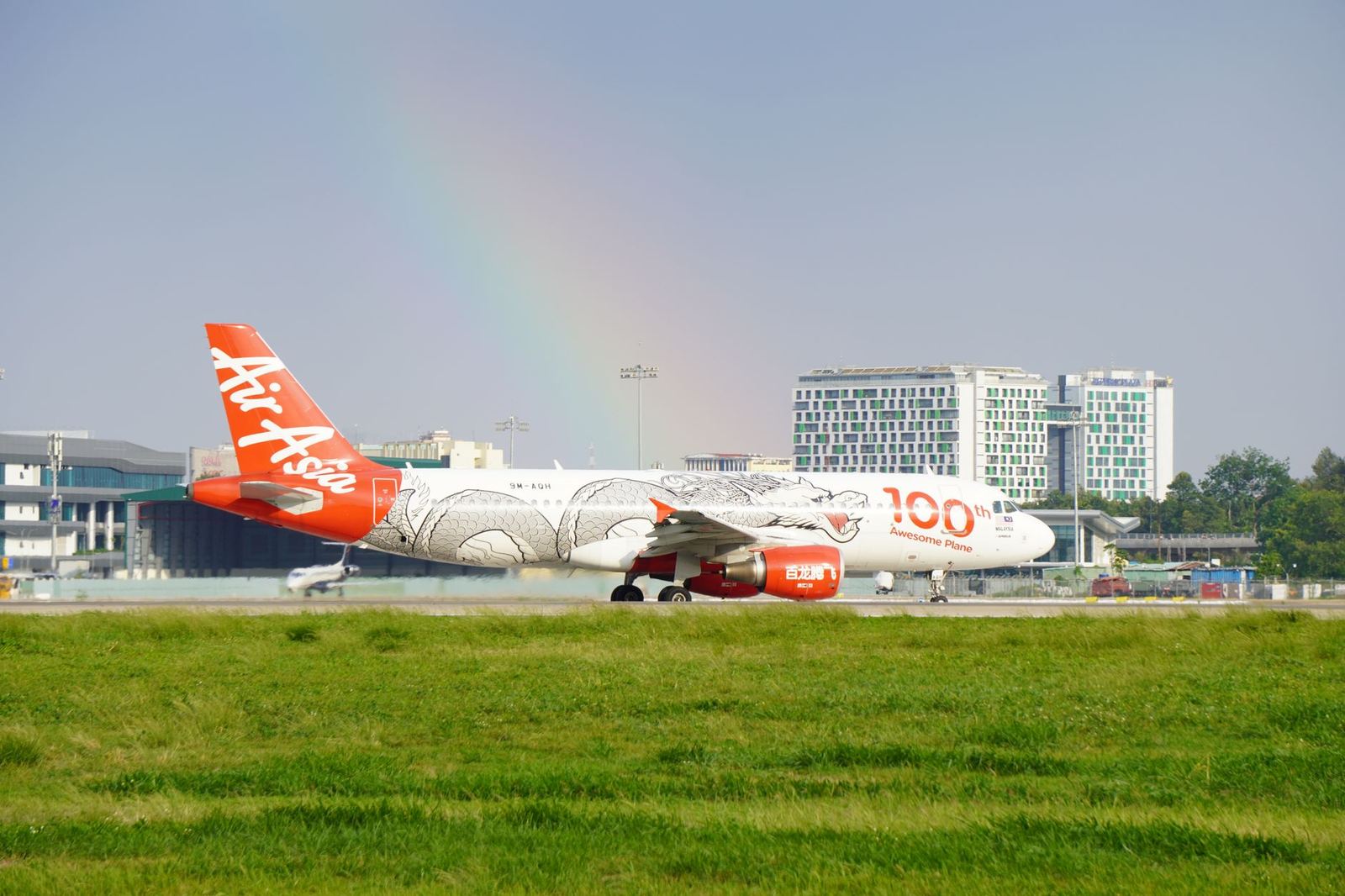
The second quarter of 2026, particularly June, saw the launch of several new direct air services connecting to Kuala Lumpur. AirAsia, a key regional carrier, introduced its new route between Kuala Lumpur and Kansai, Japan. China Eastern Airlines initiated a Dalian–Kuala Lumpur service, which operates with a stopover in Nanjing. Lion Air, another prominent regional airline, expanded its network by launching flights from Kuala Lumpur to Lombok, Indonesia. Additionally, Lion Air commenced new Banjarmasin–Kuala Lumpur services, further broadening its Indonesian connections. Batik Air also contributed to this expansion, introducing direct flights from Shanghai, China, to Kuala Lumpur. Another new Batik Air service connected Padang, Indonesia, directly with the Malaysian capital. These new connections are strategically important. They strengthen Malaysia's air links with vital regional markets. They also provide travellers with an expanded array of flight options, enhancing accessibility across Southeast Asia.
Malaysia's Broader Tourism Strength and Infrastructure
Malaysia maintained its prominent status as Southeast Asia's most-visited country throughout the first half of 2026. The nation welcomed a substantial 21.12 million international visitor arrivals during this period. This figure represents a 2.5% increase when compared to the first six months of 2025. This consistent growth in visitor numbers directly supports the positive aviation figures observed at KLIA. In the previous year, KLIA's Terminal 1 underwent a significant upgrade. This renovation project involved an investment of RM30 million, which is equivalent to approximately US$7 million. The timing of this infrastructure enhancement coincided with a notable surge in Malaysia's overall tourist numbers. These improvements aim to effectively accommodate the increasing passenger volumes. They also seek to enhance the overall travel experience for all visitors arriving in Malaysia. The combined growth in airport traffic and national tourism reinforces Malaysia's regional travel prominence. This trend suggests a continued governmental and industry focus on travel sector development.
Implications for Travellers and Industry
The sustained growth at Kuala Lumpur International Airport and across Malaysia's tourism sector carries several implications for both travellers and industry stakeholders. For passengers, the expansion of direct routes offers greater convenience and choice when planning regional travel. This increased connectivity can potentially lead to more competitive airfares as airlines vie for market share on popular routes. Airlines benefit from higher load factors and access to new, growing markets, supporting their expansion strategies. The continued robust demand for Malaysian travel suggests that airport operators may consider further infrastructure investments beyond the recent Terminal 1 upgrade. This trend reinforces Malaysia's appeal as a destination and a key aviation hub. Industry professionals will closely monitor future capacity adjustments by carriers and any forthcoming announcements regarding new route developments. This ongoing expansion signals a dynamic and competitive travel landscape in Southeast Asia.
Get The Post.
The global travel stories that matter, three mornings a week. Free.
By subscribing you consent to receive this newsletter from GlobalTravelPost (Asia Press Centre Pte. Ltd.); unsubscribe at any time.