JetBlue Introduces BlueFirst Cabin with Tiered Fare Options
JetBlue Airways will launch its new BlueFirst premium cabin in October. This introduction includes a revised fare matrix, offering 'Base' options for premium seating. This model permits access to first-class seats at a reduced cost, though with fewer amenities and less flexibility.
JetBlue Introduces BlueFirst Cabin and Revised Fare Structure
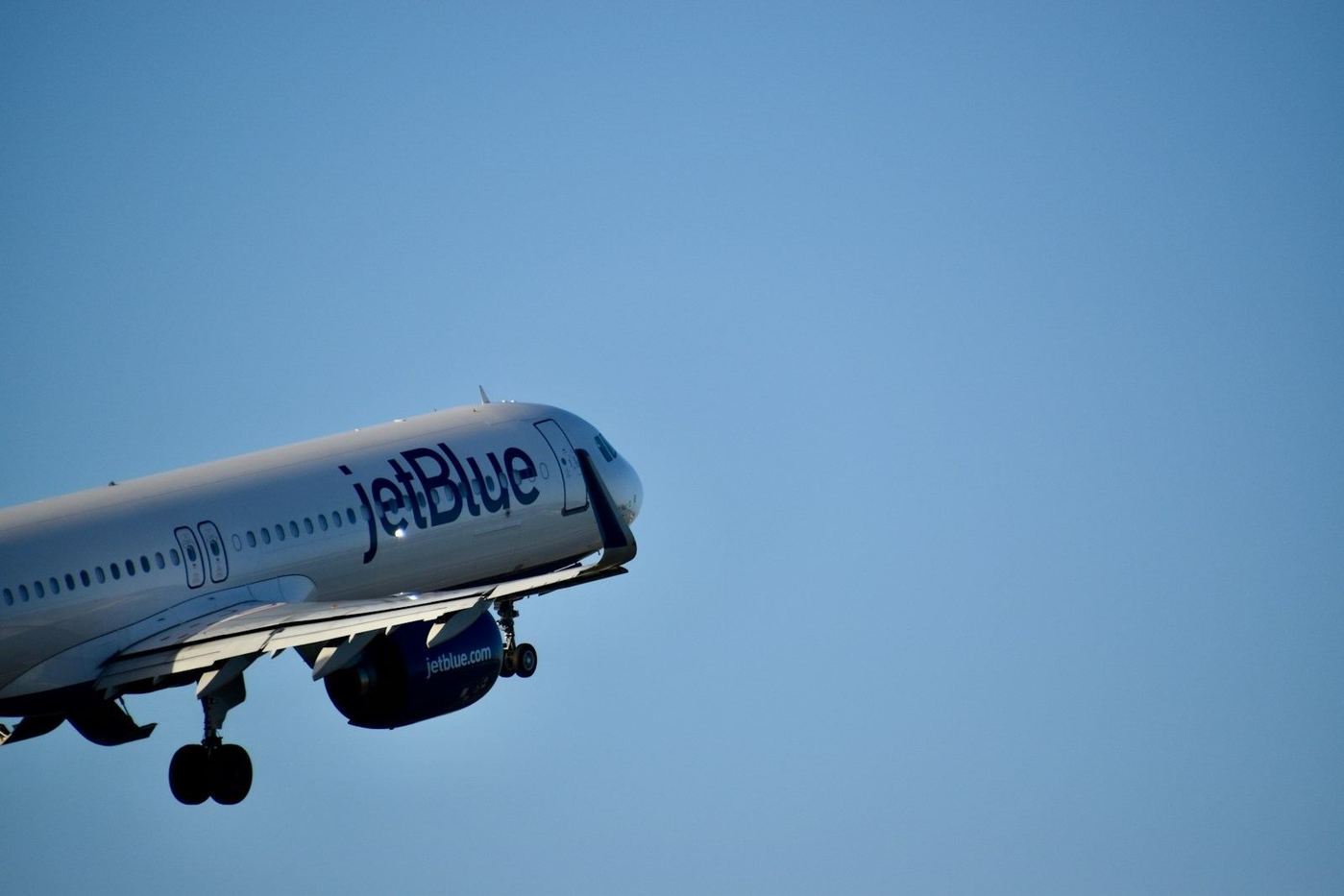
JetBlue Airways will debut its new BlueFirst premium cabin from October on selected flights. This offering targets routes not equipped with the airline's existing Mint service. BlueFirst represents JetBlue's initial conventional premium cabin introduction beyond its Mint configuration. The launch coincides with an entirely new fare type matrix.
JetBlue's website outlines this new pricing model, which allows passengers to choose an "experience" first. These experiences include Main, EvenMore, BlueFirst, or Mint. Passengers then pair this with one of three fare categories: Base, Standard, or Flex. Notably, Mint cannot be booked as a Base fare. This new structure provides varied access to premium seating. It also offers different levels of included amenities and flexibility.
Understanding the Tiered Premium Options
The introduction of BlueFirst Base allows travellers to access a premium seat at a lower cost. However, this comes with reduced flexibility and fewer amenities. For instance, Main Base and EvenMore Base fares incur a £150 change fee. They also have a £100 same-day switch fee and a £150 cancellation fee. This makes them significantly less forgiving than Standard or Flex options.
BlueFirst Base will follow this fee structure. Other fare types, including BlueFirst and Mint (non-Flex), allow cancellations without a fee. This demonstrates JetBlue's Base tier is the only category with significant financial penalties. These penalties apply for modifying or cancelling a trip. Specific exclusions for Base premium fares often include lounge access, seat selection, and baggage allowance.
Following an Industry Trend
This tiered premium pricing model mirrors a broader industry trend. Delta Air Lines pioneered the concept of reserving premium seats at lower costs with reduced perks. Delta introduced Comfort Basic in 2025. In 2026, Delta extended this to Delta One, its lie-flat flagship product.
While Delta and JetBlue explicitly market these "basic" premium fares, other airlines employ similar practices. British Airways, for example, sells "Hand Baggage Only" fares within Club Europe. American Airlines offers Flagship Business fares that may exclude lounge access based on the fare class.
These carriers use fare codes to restrict benefits, rather than branding them as "Basic." The rationale behind these basic premium fares stems from increased premium travel demand.
Driving Factors and Market Impact
Wealthy leisure travellers have driven a historic surge in premium seat demand over recent years. This demand is expected to continue, with the premium segment forecast to dominate the United States' commercial aviation landscape for the next few decades. Consequently, airlines like Delta and JetBlue have developed additional methods.
These allow passengers to still enjoy a premium seat and service onboard. However, they exclude other key elements often associated with a full first-class experience. These elements typically include lounge access, specific seat selection, and even comprehensive baggage allowances. This strategy aims to capture a wider range of premium customers.
While Delta Comfort Basic has shown success, the long-term performance of Delta One Basic and JetBlue's new BlueFirst Base in this evolving market remains to be fully determined.
Implications for Travellers and the Industry
For travellers, JetBlue's BlueFirst Base offers a new entry point into premium travel. It provides access to better seating without the full cost of a flexible premium ticket. However, passengers must carefully review the included benefits and potential fees. The trade-off involves accepting fewer perks and less flexibility for a lower price.
This move reflects a broader industry response to shifting consumer preferences. Airlines are segmenting premium offerings to cater to varied budgets and needs. Competitors will likely monitor the uptake of these "basic" premium fares. This strategy could prompt further innovation in fare structures across the aviation sector. It highlights an ongoing trend towards unbundling services, even within premium cabins.
Get The Post.
The global travel stories that matter, three mornings a week. Free.