KLM Introduces Buy-on-Board on European Flights, Discontinuing Free Sandwich
KLM Royal Dutch Airlines will launch a buy-on-board dining service, Grand Café KLM, on its short-haul European flights in October 2026. This move will end the complimentary half sandwich in Economy Class, with the airline citing financial performance as a key driver. Passengers will still receive a free stroopwafel and a drink.
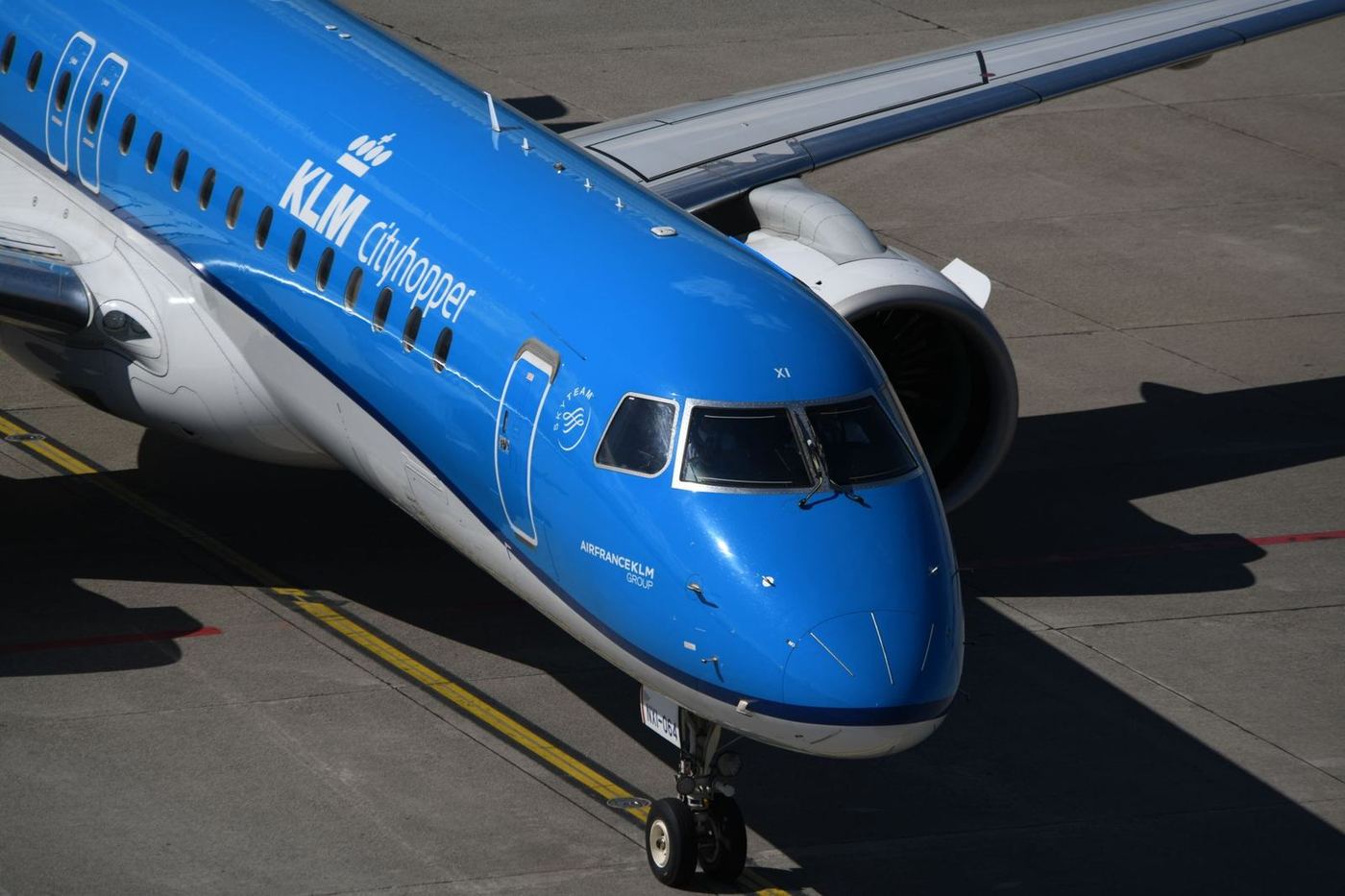
KLM Transitions to Buy-on-Board Service in Europe
KLM Royal Dutch Airlines will implement a buy-on-board dining service across its European short-haul network in Economy Class starting October 2026. This change, branded as Grand Café KLM, marks the discontinuation of the complimentary half sandwich previously offered on these flights.
The Amsterdam-based carrier indicated the initiative aims to bolster its financial performance, following over a year of development and testing. The airline first publicly considered this concept in September 2024, subsequently conducting multiple testing phases across various destinations to assess both product range and operational procedures.
Under the new hybrid model, all passengers will still receive a free Dutch stroopwafel and a complimentary drink, choosing from tea, coffee, water, or orange juice. Following the distribution of these free items, flight attendants will then circulate with the Grand Café KLM cart for additional purchases.
Grand Café KLM Offering and Passenger Choice
The specific items available for purchase through Grand Café KLM include a selection of sweet and savoury snacks. Fresh items such as a salmon egg wrap and yogurt with fruit and seeds will also be available on board.
For passengers seeking more substantial meals, premium fresh options like poke bowls and Caesar salads must be pre-ordered before the flight, according to a KLM spokesperson. Bas Gerressen, KLM’s executive vice president of inflight services, stated that this new concept represents a step forward in improving the European air travel offering.
He noted that passengers would benefit from increased choice and greater flexibility, with the selection better reflecting a wider array of preferences and needs. Gerressen added that the service allows passengers to customise their inflight dining, whether through pre-ordering or spontaneous on-board selection, thereby strengthening the carrier's commitment to hospitality.
Industry Precedents Among European Carriers
KLM’s adoption of a buy-on-board model aligns with a broader trend among European legacy carriers. British Airways initiated a similar shift in 2017, removing complimentary snacks from its short-haul Economy Class and partnering with the retailer Marks & Spencer for purchasable items. This decision drew criticism, though British Airways maintained it expanded passenger choice.
The airline has since re-introduced a small sweet treat and a free bottle of water for all Economy Class passengers. Lufthansa followed suit in 2021, introducing its own buy-on-board service on short-haul flights.
This model was subsequently extended to its other full-service brands, including Austrian Airlines and SWISS, with Lufthansa also citing increased customer choice as the primary motivation. These developments underscore a gradual restructuring of inflight services within Europe's traditional airlines, moving closer to the revenue models long employed by low-cost carriers.
Competitive Landscape and Implications for Travellers
With KLM now implementing buy-on-board, Air France and Italy’s ITA Airways remain among the few major European full-service carriers that continue to provide complimentary snacks and drinks in short-haul Economy Class. The situation for ITA Airways, however, may soon change, as the airline has recently become part of the Lufthansa Group.
This integration suggests that ITA Airways’ approach to inflight services could evolve to align with its new parent company’s model. For travellers, this shift means a consistent expectation across most major European airlines that inflight meals beyond a basic refreshment will incur a cost.
It drives passengers to factor food and drink purchases into their travel budgets or to bring their own provisions. For the aviation industry, this move by KLM demonstrates a continued focus on ancillary revenue generation and cost management in the competitive European market, potentially influencing the remaining holdouts to reconsider their service offerings.
Get The Post.
The global travel stories that matter, three mornings a week. Free.