Milan Malpensa Luggage Fire: British Airways Flight Delayed Over Battery Concern
A luggage container destined for a British Airways flight at Milan Malpensa Airport caught fire on Sunday, 16 August 2026. The incident, suspected to involve a lithium battery, caused a significant delay to the London-bound service and highlights ongoing aviation safety challenges.
Fire Erupts on Tarmac at Milan Malpensa
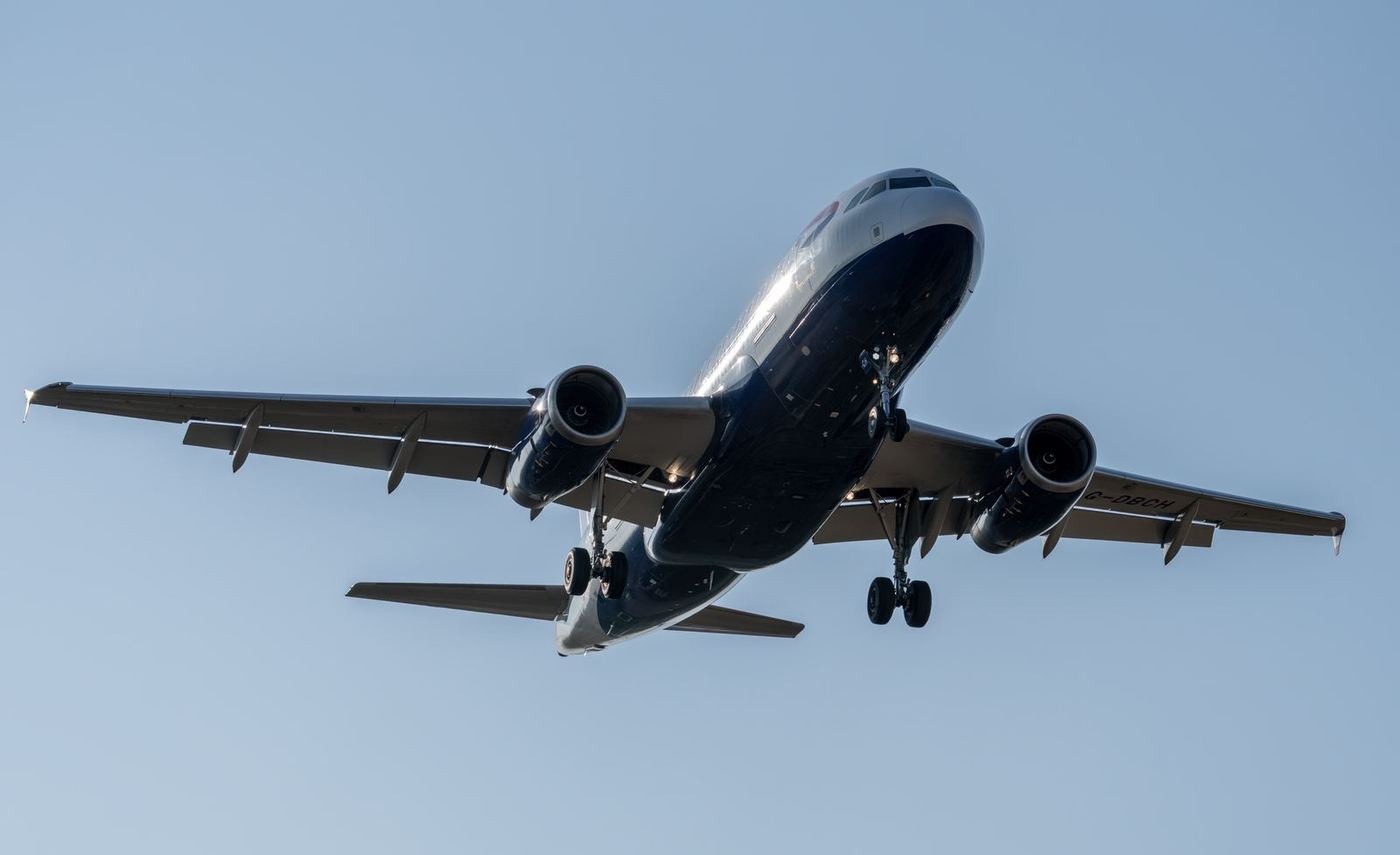
A fire broke out in a baggage container at Milan Malpensa International Airport on Sunday afternoon, 16 August 2026, just prior to its loading onto British Airways flight BA585. The flight, an Airbus A321neo (registration G-NEOT), was scheduled to depart for London Heathrow.
Former BBC politics journalist Jon Sopel, present in the terminal, recorded thick black smoke and orange flames emanating from the container. Ground staff acted swiftly to isolate the burning container, moving adjacent luggage units away to prevent further spread. Airport fire services promptly arrived at the scene, dousing the container with water.
Despite the incident, the flight eventually departed for London Heathrow, albeit with a delay of approximately two and a half hours, according to flight records.
British Airways Confirms Damage, Investigation Underway
British Airways confirmed that a limited number of checked bags sustained fire damage while on the ground at Milan Malpensa. A spokesperson for the airline stated that the incident was managed quickly, resulting in no injuries and no broader impact on other flight operations. British Airways has contacted the affected passengers to offer support and apologies.
An investigation is currently underway, in collaboration with airport partners, to establish the precise cause of the fire. While the official cause remains unconfirmed, preliminary suspicions point towards a lithium battery, such as a power bank, incorrectly placed within checked luggage.
Lithium batteries are known for their potential for 'thermal runaway,' where an overheating cell can trigger a chain reaction, leading to intense fires that are difficult to extinguish.
Revised Policies Address Lithium Battery Risks
Aviation regulations worldwide prohibit passengers from placing power banks and other loose lithium batteries in checked baggage due to the significant fire hazard. The risk of a lithium battery fire is considerably higher in an aircraft's cargo hold, where automated extinguishing systems may not be fully effective against such intense blazes.
In contrast, a battery fire in the passenger cabin can be detected and managed more quickly, often by submerging the device in water or using specialised fire containment bags. Responding to these risks, British Airways introduced updated power bank policies this year, in 2026.
These rules, based on recommendations from the International Air Transportation Association (IATA), include a ban on storing power banks in overhead lockers, requiring them to be easily accessible throughout the flight.
Air Busan Incident Highlights Dangers
The updated British Airways guidelines and IATA's recommendations were largely influenced by a severe incident involving an Air Busan Airbus A321 in South Korea in January 2025. During boarding, a lithium battery in a passenger's backpack ignited within an overhead bin. The fire rapidly escalated, and cabin crew were unable to extinguish it.
All passengers were evacuated via emergency slides, but the aircraft was subsequently destroyed by the fire. This event underscored the critical importance of strict adherence to lithium battery regulations. British Airways' current rules limit passengers to two power banks, each not exceeding 100 Wh.
Furthermore, power banks must not be charged using in-seat power supplies and cannot be used to charge other devices during take-off or landing, ensuring they remain accessible for safety interventions.
Industry Outlook: Persistent Safety Focus
This incident at Milan Malpensa reaffirms the persistent challenge lithium batteries pose to aviation safety, impacting both airlines and travellers. For the industry, it underscores the need for continued vigilance in baggage screening and passenger education regarding prohibited items in checked luggage.
Airlines must consistently reinforce their policies, and airport operators must maintain robust fire response protocols for tarmac incidents.
For travellers, the event serves as a stark reminder of the safety regulations concerning electronic devices: always carry power banks and spare lithium batteries in cabin baggage, where they can be monitored and, if necessary, addressed quickly.
The ongoing investigation by British Airways will be crucial in determining the exact cause and may lead to further refinements in safety procedures to mitigate future risks.
Get The Post.
The global travel stories that matter, three mornings a week. Free.