Montreal's New Airport Targets Domestic Convenience After Past Failure
Montreal Metropolitan Airport (YHU) opened its $450 million commercial terminal on June 15, 2026, aiming to serve up to four million passengers annually for domestic routes.
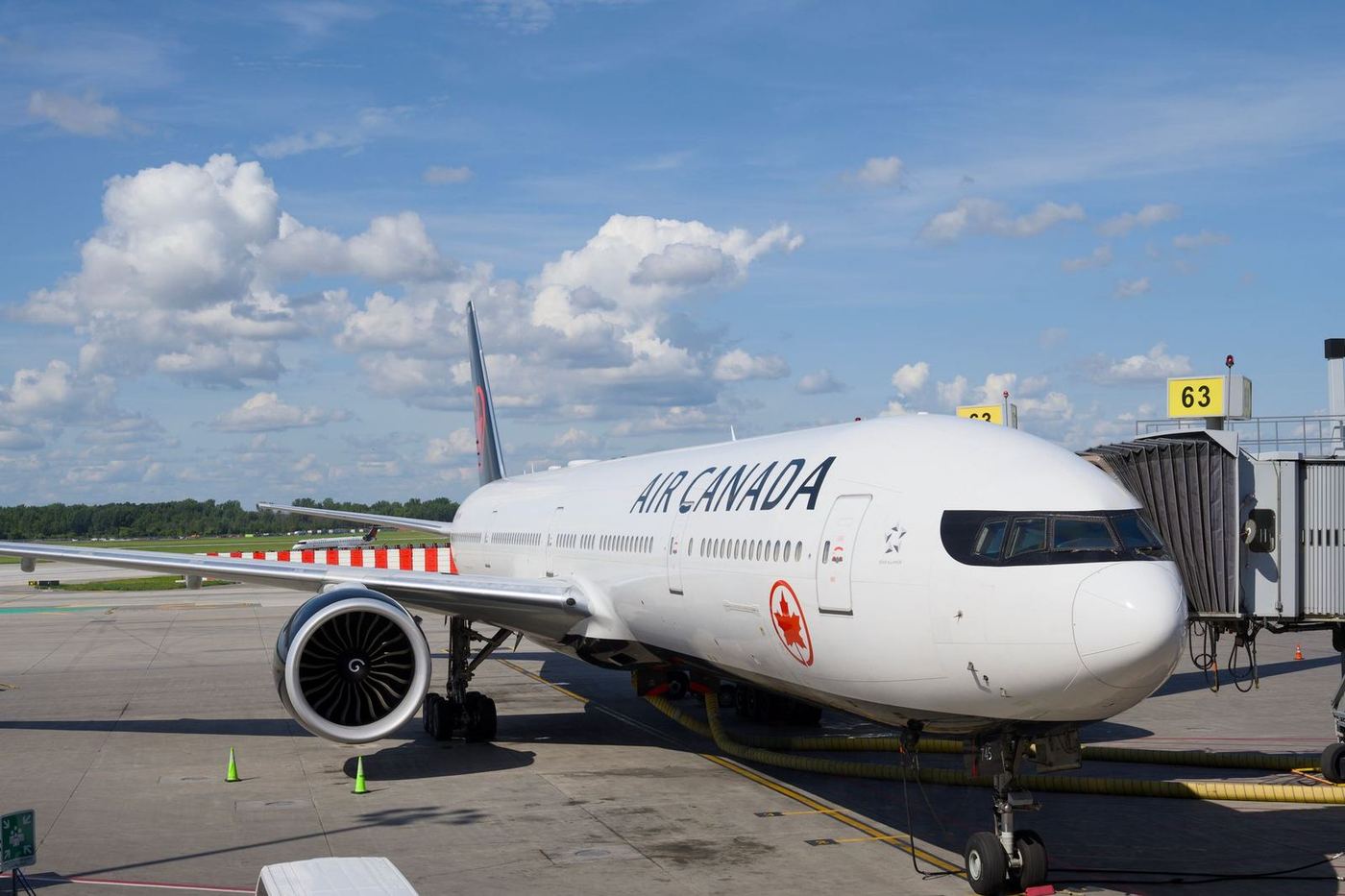
YHU Opens for Domestic Travel
Montreal Metropolitan Airport (YHU), formerly known as Saint-Hubert Airport, officially inaugurated its new $450 million commercial terminal on 15 June 2026. This significant infrastructure project, backed by Porter Airlines, Macquarie Asset Management, and the Canada Infrastructure Bank, is designed to serve up to four million passengers annually.
Its primary objective is to alleviate growing pressure on Montreal-Trudeau International Airport (YUL) by establishing a dedicated hub for domestic air travel. This move represents a strategic pivot towards enhancing convenience for travellers within Canada, aiming to create a more efficient and accessible two-airport system for the Montreal region.
Focus on Proximity and Convenience
The strategic vision for YHU deliberately diverges from past large-scale airport developments in the region. Rather than pursuing international prestige, the airport's developers have prioritised a simpler, more accessible model aimed at making domestic flights easier, faster, and more convenient.
YHU is situated approximately 15 kilometres (9 miles) from downtown Montreal on the South Shore, a location chosen for its proximity to urban centres.
The new terminal, which spans 21,000 square metres (226,000 square feet), incorporates nine boarding bridges and a 900-seat passenger lounge, with facilities capable of processing up to 15,000 passengers per day during peak operating periods. This intentional compactness contrasts sharply with the scale of major international aviation hubs.
Learning from Mirabel's Downfall
This cautious approach directly addresses the costly lessons learned from Mirabel Airport, which opened in 1975 under grand expectations of becoming a massive international gateway.
Mirabel's downfall was largely attributed to its remote location, approximately 55 kilometres (34 miles) from downtown Montreal, which proved inconvenient for travellers and lacked promised rapid transit connections. Airlines also faced significant operational challenges, being forced to split services between Mirabel and the then-named Dorval Airport.
Passenger services at Mirabel eventually ceased entirely, leaving it as a symbol of how even substantial infrastructure investments can fail when passenger convenience is not prioritised over ambitious, sprawling visions.
Implications for Global Airport Development
The emphasis on domestic convenience and strategic location for Montreal's YHU offers a pertinent case study for airport development in Asia. Many Asian cities are grappling with increasing air traffic and the need for new or expanded airport infrastructure.
While major international hubs like Singapore Changi or Seoul Incheon continue to expand, secondary airports or dedicated domestic terminals, such as those at Jakarta Soekarno-Hatta or Manila Ninoy Aquino, could draw lessons from YHU's focus on user accessibility and specific market segments.
This strategy could inform future projects seeking to balance capacity growth with passenger experience, particularly in rapidly urbanising regions where proximity to city centres is a key factor for domestic travel growth.
Get The Post.
The global travel stories that matter, three mornings a week. Free.


