New Zealand Proposes Digital Travel for Australian Visitors
New Zealand's Prime Minister Christopher Luxon announced a plan for eligible citizens to use digital credentials and facial recognition for travel from Australia, eliminating paper passports at the gate.
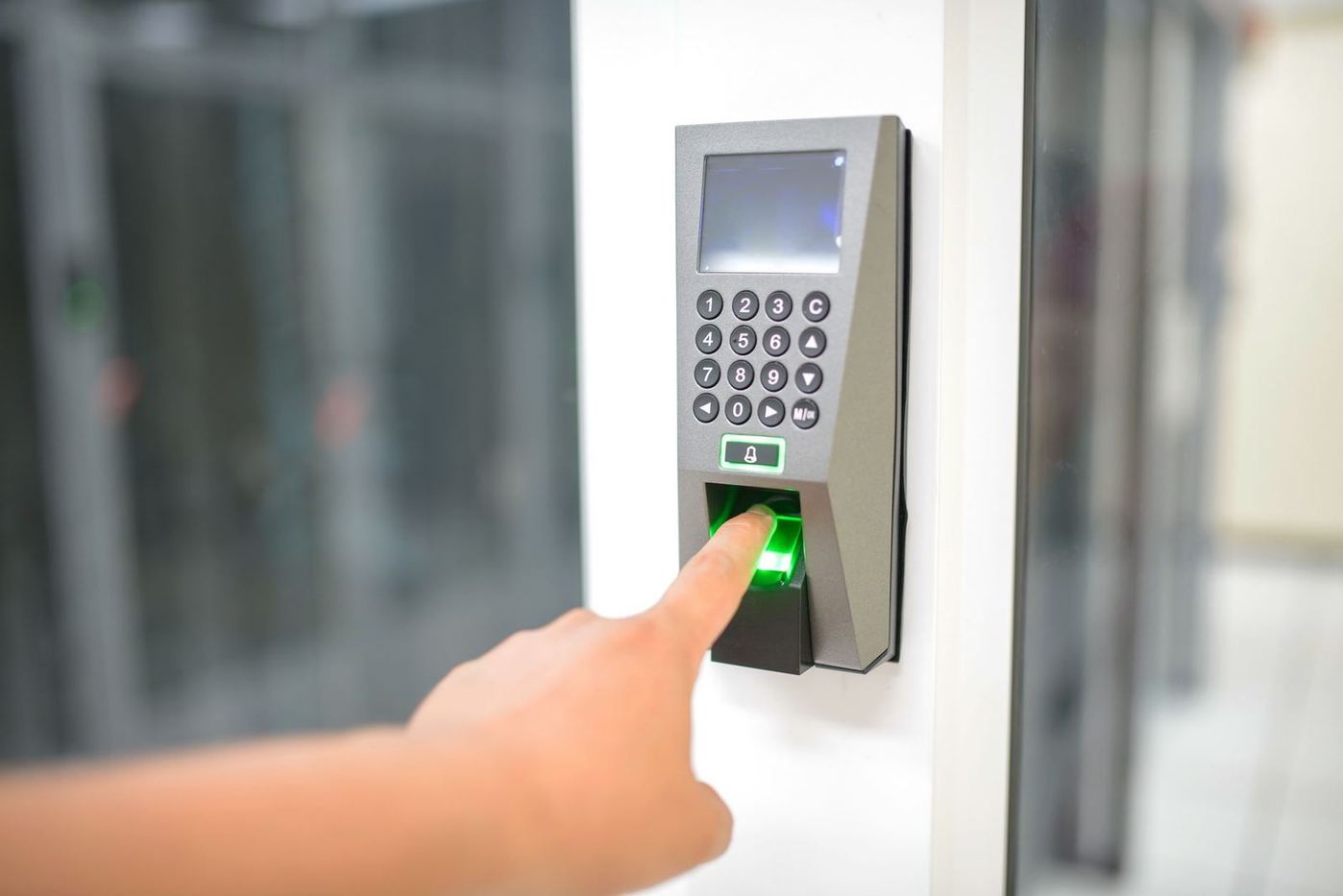
New Zealand Outlines Digital Border Plan
New Zealand Prime Minister Christopher Luxon announced on 1 October a commitment to trial paperless travel between New Zealand and Australia, should his National Party be re-elected.
The proposal aims to allow eligible citizens to use smartphones, digital credentials, and facial recognition for a greater part of their airport journey, removing the need for a physical passport at the boarding gate. Travellers would submit their passport details and complete their Traveller Declaration via their mobile phones before their departure.
This initiative is currently an election commitment rather than an official policy, and its implementation would require cooperation from the Australian government, as the proposed changes are specific to New Zealand airports.
Industry Support for Trans-Tasman Efficiency
The proposed digital travel plan has garnered support from the travel industry. Tom Walley, Corporate Traveller's global managing director, commented on the initiative, noting that New Zealand is the most frequently visited international destination for their Australian customers, accounting for approximately 25 per cent of all international travel from Australia.
Corporate Traveller has already seen bookings to New Zealand in 2026 surpass the total figures for 2025, with a full quarter of the year still remaining. Walley emphasised the growing strength of business partnerships across the Tasman Sea and stated that any measure to accelerate and simplify this crucial corridor for Australian business travel warrants backing.
Streamlining Airport Processes
The shift towards a digital-first approach, where travellers verify their details on a phone before flying and navigate airports using biometrics, is viewed as a logical progression from existing SmartGates. Walley suggested that such a system could significantly reduce processing times for short-turnaround trips, including same-day meetings and brief site visits.
New Zealand recorded 1.59 million arrivals from Australia in the year leading up to July 2026. These travellers constituted 43 per cent of all overseas visitor arrivals to the country. Despite the forward-looking proposal, Prime Minister Luxon acknowledged the necessity of bringing Canberra into the fold for the plan to proceed effectively.
Outlook for Travellers and Regional Implications
While the paperless travel plan is an election commitment and not yet a firm policy, it signals a potential direction for future border management. For now, travellers crossing the Tasman must continue to carry a valid passport.
The close economic ties between Australia and New Zealand suggest that a more streamlined border experience would benefit businesses and individuals who frequently rely on this busy corridor. This development aligns with broader global trends in digital identity and biometric adoption for travel.
In Asia, major hubs like Singapore are already advancing towards fully automated immigration clearance, suggesting that similar digital initiatives could inform future discussions in key Asian travel corridors, potentially leading to faster processing for travellers across the region.
Get The Post.
The global travel stories that matter, three mornings a week. Free.


