Philippine Hotels See US$6.2 Billion Investment Amid Flat Arrivals
Philippine hotel developers have committed 387 billion pesos (US$6.2 billion) to new properties through 2032, while foreign tourist arrivals reached 4.4 million from January to August 2026, largely flat year-on-year.
Philippines Sees Flat Tourist Growth
Leechiu Property Consultants' (LPC) third-quarter report indicates that the Philippines expects foreign tourist arrivals for the full year 2026 to fall below 2025 levels, with a subdued outlook continuing into 2027.
From January to August this year, the nation recorded 4.4 million international visitors, a figure largely consistent with the 4.38 million recorded during the same period in 2025. LPC attributes this stagnation to increased fuel costs and the rising expense of international travel, which are projected to curb visitor numbers through the end of 2026.
While China and India present growth areas, supported by visa-free entry and expanded direct flight options, their contributions begin from a low baseline. Conversely, South Korea, formerly the Philippines' primary source market, registered a 22 per cent decline, impacting overall growth.
Significant Hotel Investment Continues
Despite the near-term challenges in visitor numbers, the longer-term outlook for the Philippine hospitality sector remains positive, with developers committing substantial capital.
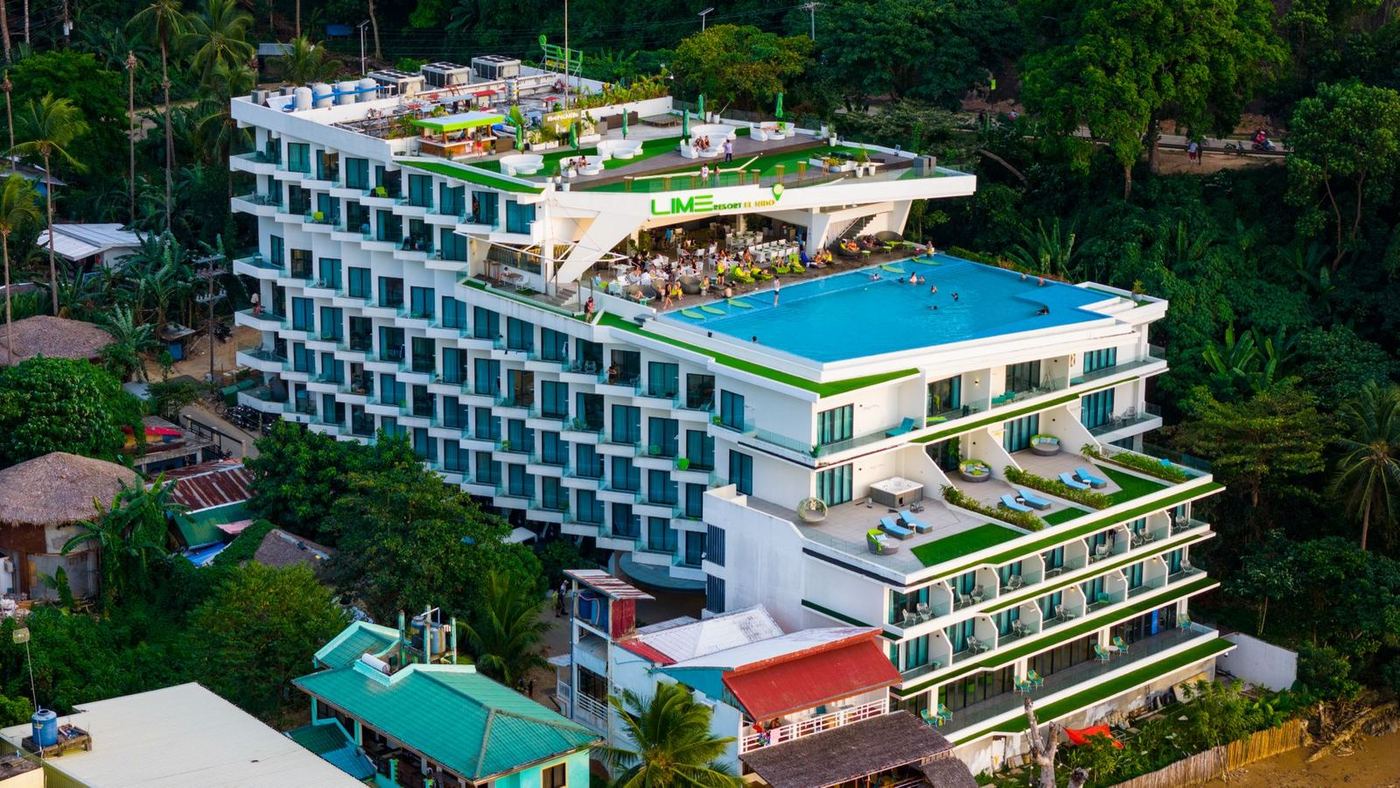
The 2026 Accommodation Pipeline Report, produced jointly by Leechiu Property Consultants (LPC) and the Philippine Hotel Owners Association (PHOA), reveals investments totalling 387 billion pesos (US$6.2 billion) earmarked for new hotel projects from this year through 2032.
The current pipeline for 2026 includes 45,884 rooms across 213 properties, marking a 14 per cent increase in rooms and a 35 per cent rise in properties compared to 2024 figures.
Development Concentrates on Air-Connected Hubs
A significant proportion of this new accommodation capacity, almost 70 per cent of pipeline rooms, is planned for destinations offering direct international air access. Key areas attracting this development include Metro Manila, Cebu, Lapu-Lapu cities, Clark, New Clark City, Panglao, and Davao. Cebu, in particular, continues to be a focus for hotel expansion.
Adam Domingo, LPC senior manager of hotels, tourism and leisure, stated that foreign arrivals are likely to remain at current levels into 2027 unless fundamental changes are made to the nation's tourism approach.
He highlighted that visa-free entry and direct flights are crucial for attracting visitors from markets like China and India, noting that private developers are naturally building in locations with the strongest access.
What it Means for Travellers and Industry
The sustained investment in Philippine hotels, particularly in internationally connected hubs, indicates that travellers visiting cities like Cebu or Manila will see an increasing array of accommodation choices and potentially enhanced service competition in the coming years.
For the industry, the concentration of new rooms in locations with direct flights underscores the importance of air connectivity for attracting capital investment. The decline in South Korean visitors, alongside growth from China and India, means tourism boards and operators must adapt marketing strategies and flight routes to cater to evolving source markets.
Future growth in arrivals will depend on the Philippines' ability to address broader travel costs and refine its tourism policies beyond current visa and flight incentives.
Get The Post.
The global travel stories that matter, three mornings a week. Free.