All-You-Can-Eat Durian Buffet for P100 Launches in Philippines' Bukidnon
Bukidnon province in the southern Philippines has launched an all-you-can-eat durian buffet, allowing patrons to consume various durian cultivars for a starting price of P100 (approximately US$1.70). This initiative aims to draw visitors during the peak harvest season, aligning with similar culinary tourism efforts across Southeast Asia.
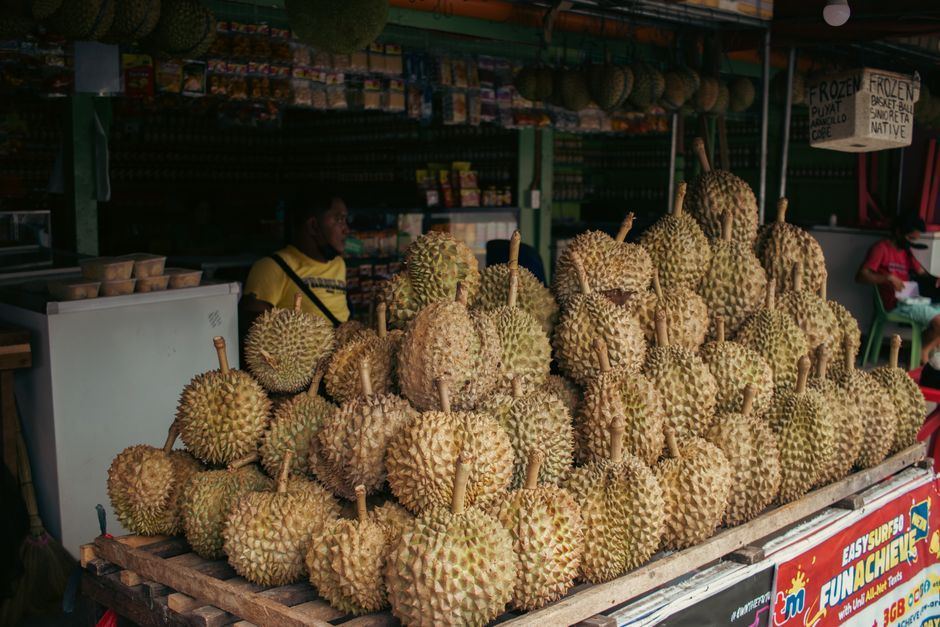
Bukidnon Province Offers Durian Feast
Bukidnon, a province in the southern Philippines, has commenced an all-you-can-eat durian buffet, providing visitors the chance to dine on a selection of the fruit, often referred to as 'the king of fruits'. According to a report by VnExpress International, the buffet is priced between P100 and P150 (US$1.70-2.60).
Patrons are allotted one hour to consume as much durian as they wish from a range of varieties. The offering includes cultivars such as Chanee, Cob (Squash), Lacson, Umali, and Arancillo. Premium durian types, including Puyat and D101, are also available at an additional cost.
This initiative demonstrates a localised effort to leverage agricultural produce for tourism appeal, particularly during the harvest period.
Buffet Rules and Waste Reduction
The durian buffet operates under specific conditions designed to manage consumption and prevent food waste. Customers are required to finish every durian fruit they open within their allotted hour. Any uneaten portions are subject to separate charges, a policy implemented to deter wastage.
This approach shows a practical consideration for sustainability while promoting the consumption of local produce. The concept of an unlimited durian offering for a fixed price provides a novel attraction for both domestic and international travellers seeking to engage with regional culinary traditions.
Such a structured eating event ensures that the agricultural output is consumed efficiently, supporting local farmers and the provincial economy.
Kadayawan Festival Boosts Visitor Numbers
The timing of the durian buffet launch coincides with the Kadayawan Festival, which commences in August in nearby Davao City. Vendors anticipate that the all-you-can-eat durian offering will draw an increased number of visitors, eager to eat Mindanao's signature fruit at the height of its harvest season.
Davao City is a significant hub in the southern Philippines, and its annual festival is a major cultural event that attracts tourists. The proximity of Bukidnon to Davao City allows for a synergistic effect, where festival-goers can extend their visit to include this unique culinary attraction.
This strategic timing shows a deliberate effort to maximise tourist engagement and economic benefit for the region, capitalising on existing travel patterns and events.
Regional Trend in Southeast Asian Tourism
The Philippines' introduction of an all-you-can-eat durian buffet is part of a broader trend observed across Southeast Asia, where countries are diversifying their tourism offerings. Vietnam, Singapore, and Malaysia have previously introduced similar durian feasts during their respective peak harvest seasons to attract travellers.
This regional pattern reveals a shared strategy among Southeast Asian nations to promote local agricultural products as distinct tourist attractions. By framing the fruit as a draw for visitors, these countries aim to provide unique cultural and gastronomic activities, thereby enhancing their overall appeal as travel destinations. This approach also supports local agriculture by creating direct consumer demand for specific cultivars.
Implications for Regional Travel and Industry
This development in the Philippines holds implications for both travellers and the regional tourism industry. For consumers, it presents an accessible and affordable way to consume a variety of durian, especially those visiting the southern Philippines during the harvest period.
The fixed price structure offers clarity for budgeting, and the waste-prevention rules promote responsible consumption. For the industry, this initiative demonstrates how local produce can be integrated into destination marketing strategies.
The success of such buffets in the Philippines, mirroring those in Vietnam, Singapore, and Malaysia, shows a viable model for other Asian markets to consider. Destinations across Asia with unique seasonal produce can adapt this concept to create similar culinary events, potentially drawing new visitor segments and supporting local economies through agri-tourism.
This pattern suggests a growing focus on authentic, localised food experiences as a key component of travel itineraries in the region.
Get The Post.
The global travel stories that matter, three mornings a week. Free.