Philippines' International Arrivals Rise 4.25% in Seven Months, Driven by Visa Policy
The Philippines, Southeast Asia's largest tourism economy, recorded 3.7 million international arrivals from January to July 2026, a 4.25% increase year-on-year. Relaxed visa policies for Chinese and Indian nationals are credited with driving this growth, positioning the country for its strongest post-pandemic performance.
Visitor Growth Propelled by Policy Adjustments
The Philippines, recognised as Southeast Asia's largest tourism economy based on its contribution to gross domestic product, registered 3.7 million international arrivals from January through July this year. This figure shows a 4.25% increase compared to the same seven-month period in 2025.
The surge in inbound travel is largely attributed to the government's implementation of relaxed visa policies, designed to streamline entry for visitors from crucial source markets. This robust performance demonstrates a significant recovery within the Philippine travel sector and highlights the direct impact of strategic policy decisions on visitor numbers.
The nation's Department of Tourism has cited these policy adjustments as a primary factor in the positive early-year statistics, setting a strong foundation for the remainder of 2026 and reinforcing the travel industry's vital role in the country's economic landscape.
The sustained growth is a key indicator of the sector's resilience and its capacity to attract a broader international clientele.
Key Asian Markets Drive Inbound Travel
The increase in visitor numbers was significantly influenced by a rise in arrivals from mainland China, India, and Taiwan, according to BusinessWorld Online, which cited a Department of Tourism source. Specifically, travellers from mainland China increased by 67% year-on-year, while those from India rose by 34% over the same period.
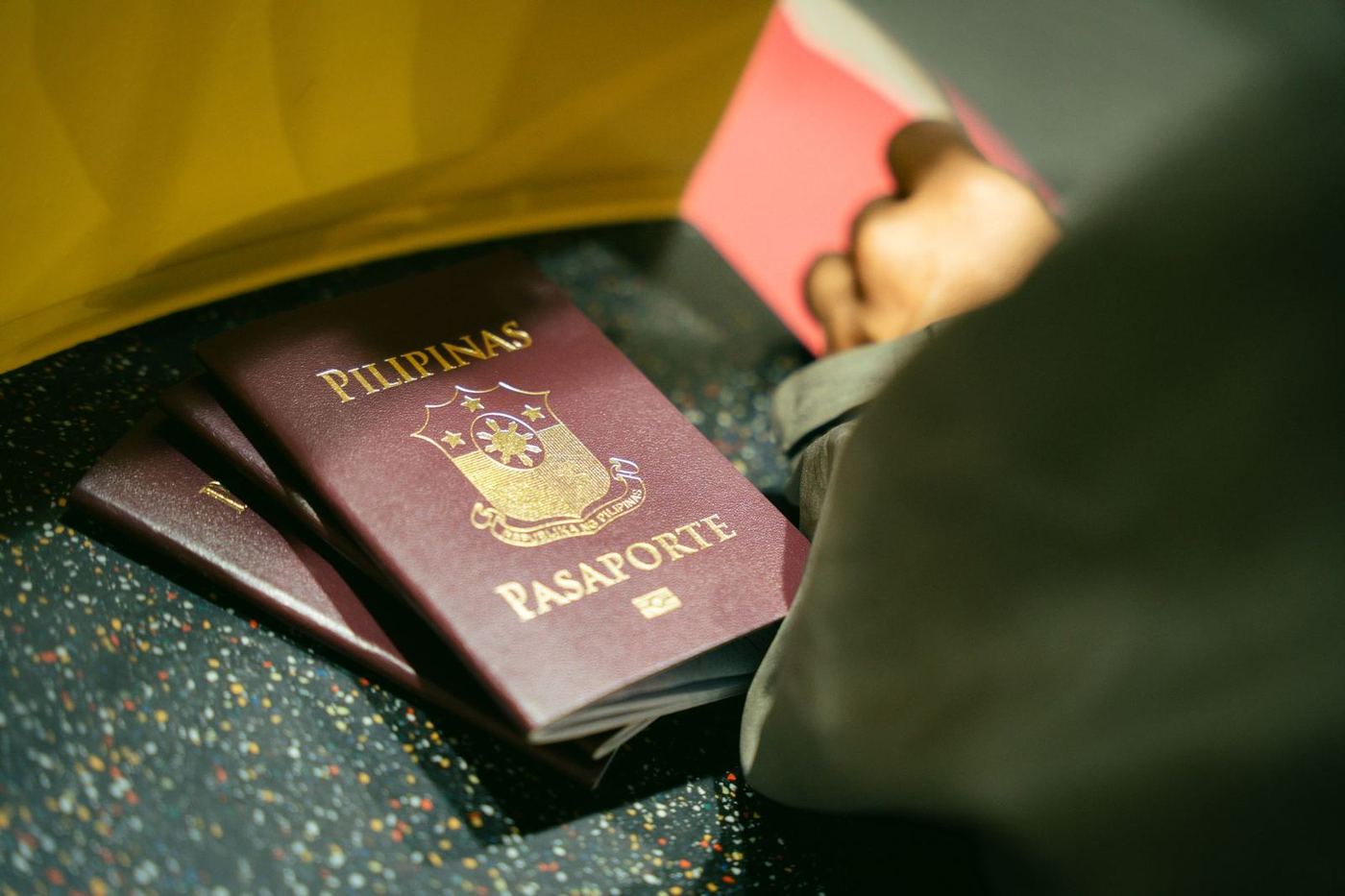
These increases follow specific adjustments to the Philippines' visa regulations. Chinese nationals gained visa-free entry for stays of up to two weeks for tourism or business purposes starting in January this year. Similarly, Indian nationals have benefited from visa-free entry for tourism or business since 2025.
These policy changes represent a targeted approach to re-engage and expand key Asian markets, directly contributing to the observed growth in international arrivals.
The strategic relaxation of these entry requirements has demonstrably opened up the Philippine archipelago to a wider demographic of Asian travellers, fostering greater accessibility and encouraging short-term visits.
Ambitious Targets for Post-Pandemic Recovery
Looking at previous years, the Philippines recorded 5.6 million foreign visitors in 2025, a figure nearly consistent with 2024's arrivals. For the current year, 2026, the Department of Tourism has set an ambitious target of 6.7 million international arrivals.
Should this target be met, it would signify the country's strongest performance in inbound tourism since the onset of the Covid-19 pandemic. This projected growth underscores the Philippine government's commitment to revitalising its travel industry and regaining its pre-pandemic standing as a major global destination.
The sustained efforts in marketing and infrastructure development, coupled with the recent visa liberalisation, are critical components in achieving these ambitious figures. The trajectory from 2024 through the projected 2026 figures reveals a clear path of recovery and expansion for the nation's travel sector.
Implications for Industry and Travellers
The Philippines' current trajectory shows a clear benefit for its travel industry, particularly for airlines and hospitality providers catering to Asian markets. The continued visa-free policies for Chinese and Indian nationals are likely to sustain high visitor volumes from these regions, potentially leading to increased flight frequencies and new route developments.
Travellers from these countries can expect continued ease of access, making the Philippines a more competitive destination for short-haul leisure and business travel. For the wider industry, the success of these visa adjustments may prompt other Southeast Asian nations to review their own entry requirements, potentially fostering a more open travel environment across the region.
Stakeholders will closely monitor the full-year 2026 arrival figures, expected to be released in early 2027, to assess if the 6.7 million target was achieved and to gauge the long-term impact of these policy shifts on the nation's tourism economy.
Get The Post.
The global travel stories that matter, three mornings a week. Free.