Qantas Grows Auckland Hub, Shifts Pacific Strategy
Qantas is expanding its network at Auckland Airport, developing it as a key Pacific connection point. This move for New York, Gold Coast, and Apia routes marks a strategic shift from its traditional Sydney focus.
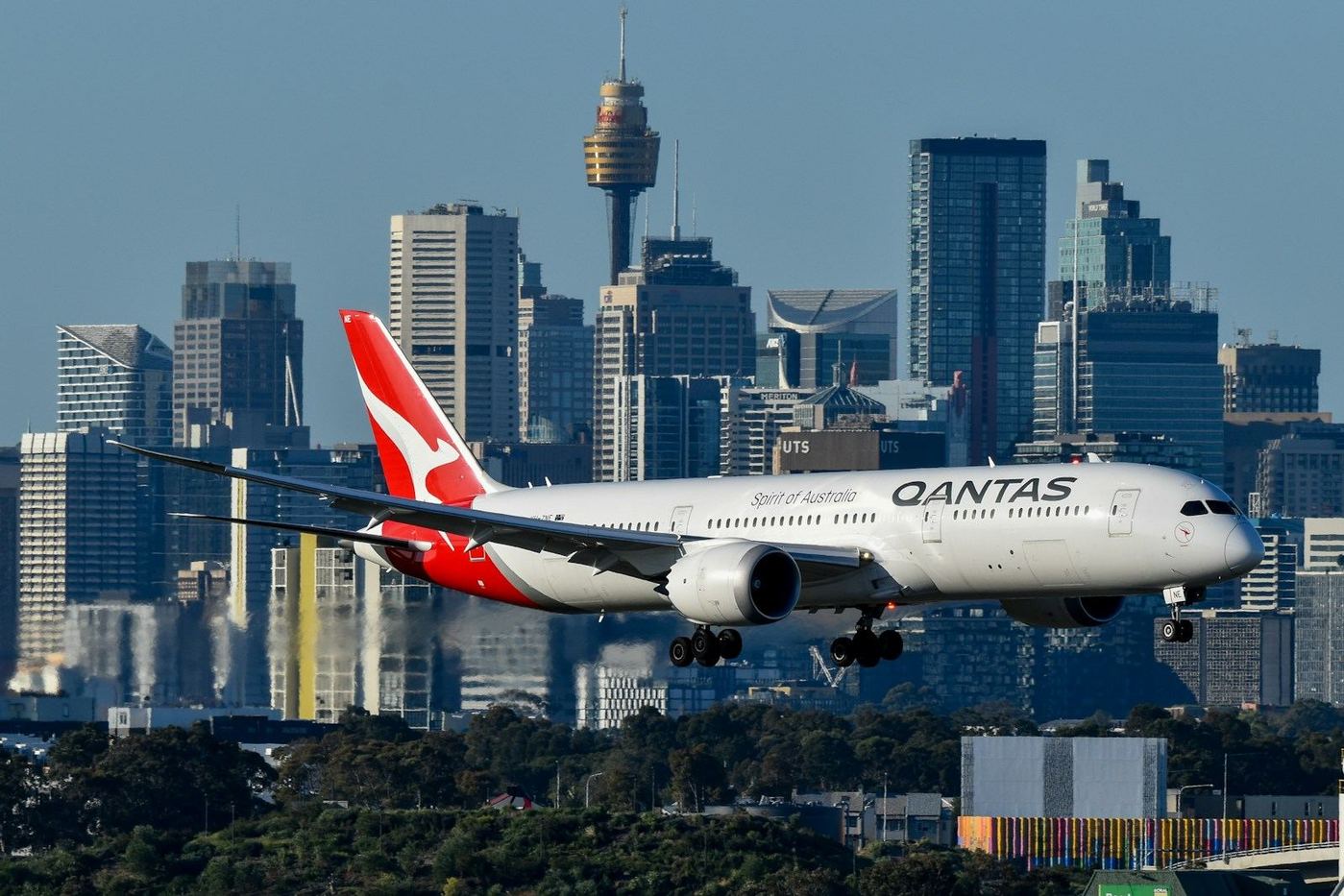
Auckland's Growing Role in Qantas Network
Qantas, Australia's national carrier, traditionally operates its primary network from Sydney. Brisbane and Melbourne serve as additional major hubs on the East Coast. Perth functions as its main hub for Western Australia. This hub facilitates both domestic travel and nonstop flights to Europe.
However, Qantas has recently expanded its network at Auckland Airport (AKL) in New Zealand. This development shows a strategic shift in its Pacific operations. Auckland has served as a technical stop for Qantas's Sydney to New York (JFK) flights for approximately three years. Boeing 787 aircraft currently operating this route require refuelling in Auckland.
These flights also pick up additional passengers there. The primary route remains Sydney to JFK via AKL. This established operational presence now underpins a broader strategic expansion. The airline's network adjustments reveal a growing focus on Auckland's role as a connection point.
New Pacific Routes and Operational Structure
Qantas launched new services from Auckland to Gold Coast Airport (OOL) and Apia Faleolo International Airport (APW) on 16 June 2026. The Auckland to Gold Coast route operates three times weekly. Qantas uses a Boeing 737-800 aircraft for this service. This route directly competes with Air New Zealand. It connects two non-hub airports for Qantas, an unusual network decision.
The only other cities Qantas serves from Gold Coast are Melbourne and Sydney, its two largest hubs. On the same day, the airline commenced new flights between Sydney and Apia via Auckland. This service also uses a Boeing 737-800. This route structure mirrors the JFK flight. The same flight number applies to both legs. The Auckland to Apia leg operates as a fifth freedom route.
The segment between Sydney and Auckland operates daily. The leg between Auckland and Apia is flown three times per week.
Commercial and Cost Efficiency Drivers
A nonstop flight between Sydney and Apia is within the range of a Boeing 737-800. However, such a route would incur relatively high operating costs. Demand for direct flights between Australia and Samoa has been comparatively soft. Qantas previously flew an Airbus A330 between Sydney and Apia nonstop. The airline switched this service to a 737 operating from Brisbane in 2023.
Qantas's solution involved launching the service from Auckland. This uses the flight number from one of its Sydney services. Flying from Auckland helps Qantas keep operating costs lower. The airline also gains connecting passenger flows in Auckland. These connections arrive from its flights from Brisbane, Melbourne, and additional Sydney frequencies.
However, the new Gold Coast flight arrives after the Apia flight departs. The Perth to Auckland flight arrives over 12 hours before the Apia departure.
Implications for Travellers and Industry
A direct Sydney to Apia flight would offer stronger connecting passenger flows. However, this route would be significantly more expensive to operate. The connecting traffic from other Qantas flights in Auckland improves the route's economics. Crucially, strong travel demand exists between New Zealand and Samoa. This contrasts with the softer demand between Samoa and Australia.
Qantas therefore has better prospects of profitability with the Auckland routing. This network evolution offers travellers increased connectivity through Auckland, particularly for Pacific routes. Passengers gain new options for reaching Samoa and the Gold Coast. Qantas's strategy demonstrates a flexible approach to network planning.
It prioritises operational efficiency and specific market demand over traditional hub structures. The airline can leverage Auckland's strong regional demand and lower operating costs for particular routes. This move could reshape regional air travel patterns, introducing new competitive dynamics in the Australia, New Zealand, and Pacific triangle. Industry observers will monitor how this influences competitor strategies in the South Pacific.
Get The Post.
The global travel stories that matter, three mornings a week. Free.