Ryanair Boeing 737 Window Blowout Lacked Engine Safety Update, NTSB Reveals
A Ryanair Boeing 737 involved in a July 2026 mid-air window blowout had not received a crucial engine modification. The U.S. National Transportation Safety Board (NTSB) disclosed this in its preliminary findings. This safety update, mandated by the FAA, is not compulsory for airlines until 2028.
Mid-Air Incident Details Emerge
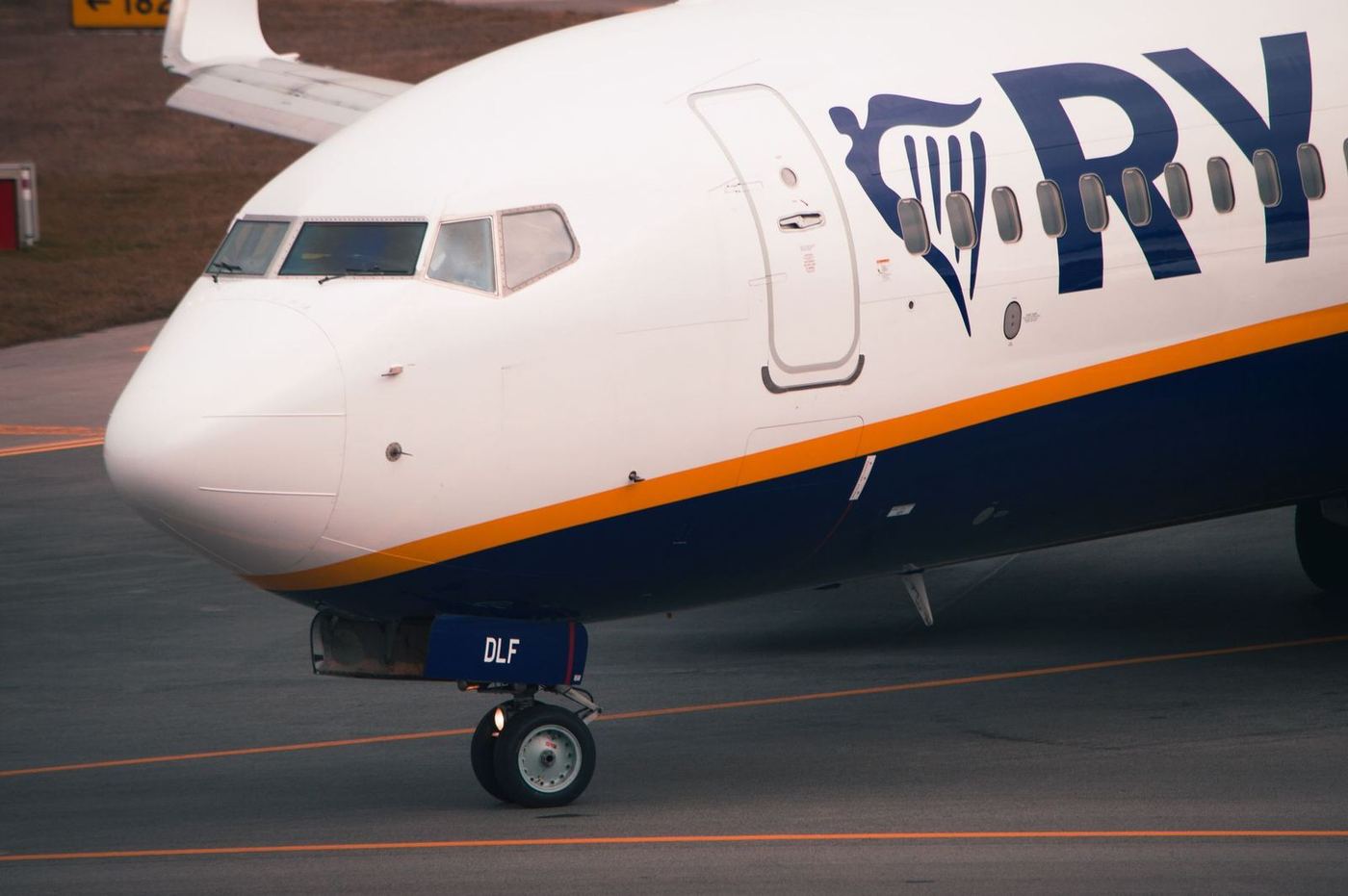
A Ryanair Boeing 737-800, operating as flight FR-1879, experienced a mid-air window blowout on July 10, 2026. The aircraft, operated by Malta Air, was climbing from Thessaloniki, Greece, towards Memmingen, Germany. At approximately 16,000 feet, pilots received an engine high vibration alert. Vibrations then escalated significantly.
A loud bang followed, triggering a depressurisation alarm. Cabin crew observed a mist and oxygen masks deployed. A passenger, 61-year-old Ljubisa Karovic, was partially ejected through a shattered window near seat 11F. Other passengers pulled him back inside. An off-duty doctor attended to the injured passenger.
The pilots successfully diverted the 18-year-old aircraft back to Thessaloniki. The U.S. National Transportation Safety Board (NTSB) is leading the investigation.
Engine Modification Absent
NTSB investigators found that a fan blade in the right CFM turbofan engine fractured. Debris created a 14x10 inch penetration in the engine cowl. This debris then struck the fuselage, causing the window to shatter. Bird remains were discovered in the engine. This suggests a potential bird strike as the incident's root cause, though the NTSB has not confirmed this.
Crucially, the engine had not undergone a specific modification. This modification is detailed in a Federal Aviation Administration (FAA) airworthiness directive (AD). The FAA published this directive in March 2025. It aims to prevent broken engine fan blades from penetrating the cowl. This also stops them from striking the fuselage and windows. The AD was issued following a similar Southwest Airlines Boeing 737 accident in 2018.
Compliance Deadline and Maintenance Record
The FAA's airworthiness directive mandates strengthening fan cowls. This prevents potential damage to the fuselage or stabilisers during a fan blade-out event. The unsafe condition could lead to loss of aircraft control or rapid decompression. It poses a hazard to window-seated passengers aft of the wing.
However, airlines are not required to complete these modifications until July 31, 2028. The incident aircraft had undergone regular maintenance. This included ultrasonic scanning of its fan blades. These inspections had not detected any cracks. The NTSB's investigation continues to determine all contributing factors.
Ryanair CEO Reprimanded for Comments
Ryanair chief executive Michael O'Leary commented on the incident last month. He stated his belief that the accident did not result from the aircraft’s age or servicing. O'Leary suggested initial indications pointed towards foreign object damage to the engine. The NTSB subsequently reprimanded O'Leary for these statements.
As an 'accredited advisor' to an ongoing investigation, he is prohibited from commenting on potential causes. He also cannot convey potential investigative information. This NTSB action underscores the strict protocols for accident investigations. Transparency and adherence to proper communication channels remain paramount.
Industry Focus on Safety Compliance
This incident highlights the importance of timely safety updates within the aviation sector. While the FAA provides a compliance window, operators must assess their fleets. Ensuring modifications are implemented before mandatory deadlines can mitigate risks. Travellers may seek assurances regarding aircraft safety standards.
The ongoing NTSB investigation will provide further clarity. Its final report could influence future regulatory actions or accelerate compliance efforts. Airlines globally will monitor these findings closely. They must evaluate their maintenance schedules and adherence to airworthiness directives. This ensures passenger safety remains the highest priority across all operations.
Get The Post.
The global travel stories that matter, three mornings a week. Free.