Ryanair Cabin Crew Struggle with Accelerated Safety Demonstrations
Ryanair cabin crew report difficulties maintaining synchronisation with the airline's newly accelerated pre-recorded safety announcements, implemented this year. The adjustment follows prior crew feedback that the demonstration was excessively lengthy.
Pace Challenges for Ryanair Cabin Crew
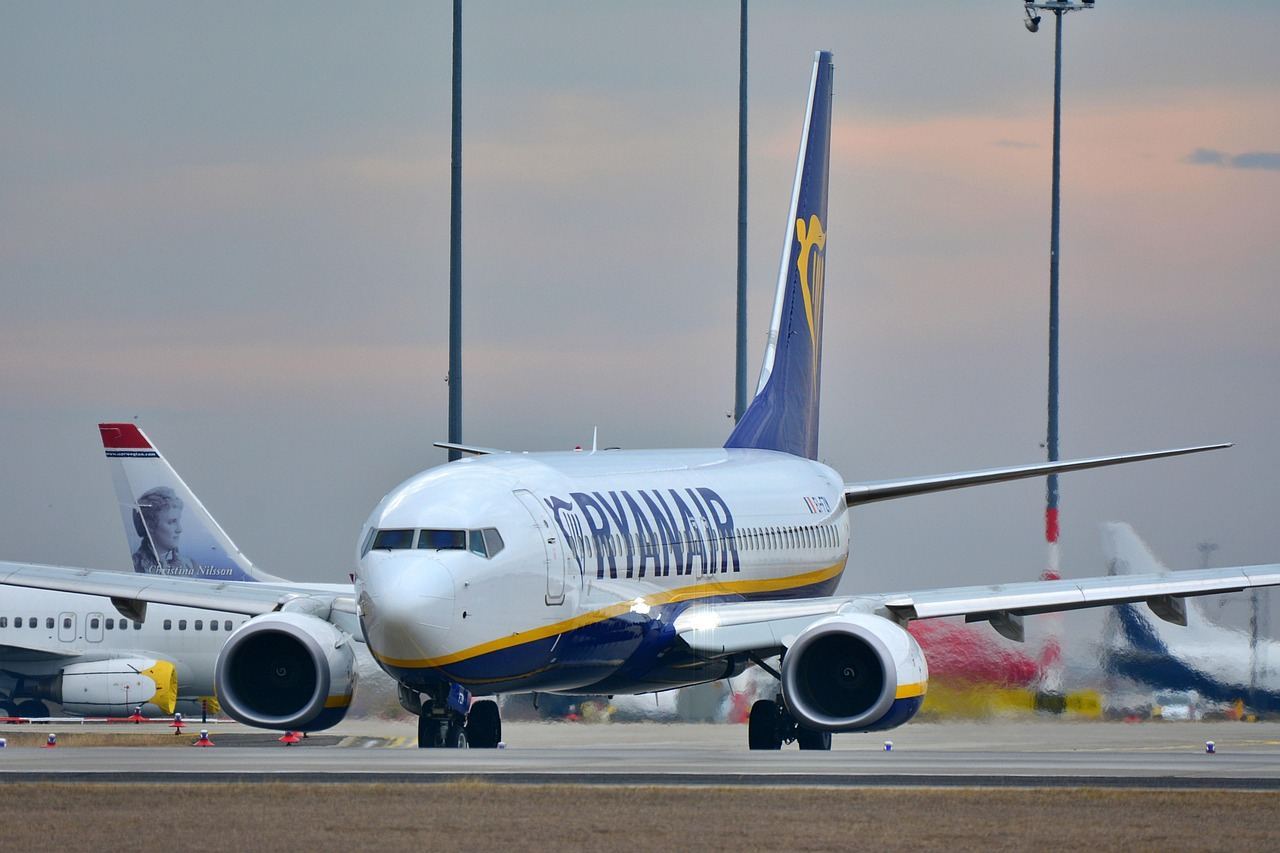
Ryanair cabin crew are reporting difficulties maintaining synchronisation with the airline's newly accelerated pre-recorded safety announcements. These updated demonstrations were rolled out several months ago this year. The adjustment follows prior crew feedback, which indicated the previous demonstration was excessively lengthy.
Ryanair, Europe's largest low-cost airline, is known for its rapid aircraft turnarounds. These often conclude within 25 minutes from gate arrival to pushback. This focus on efficiency impacts all operational procedures. Crew members, who perform manual safety demonstrations, now find it challenging to keep pace with the faster audio.
Manual Demonstrations and Prior Feedback
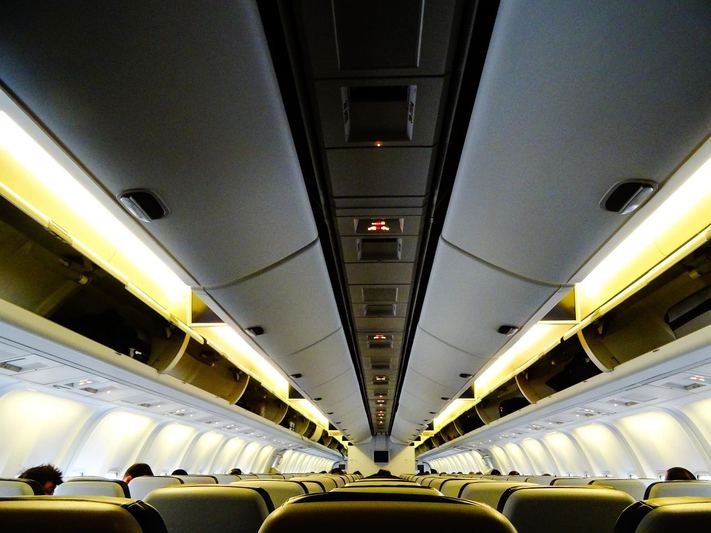
Ryanair's operational model, as a budget carrier, means its aircraft do not feature seatback television screens or overhead monitors. This design necessitates cabin crew performing manual safety demonstrations for passengers. Crew members must physically illustrate how to buckle and unbuckle a seatbelt. They also show how to properly don an oxygen mask and inflate a life jacket.
All these actions require precise synchronisation with a pre-recorded audio announcement. This audio is broadcast from the aircraft's front. Earlier versions of Ryanair's pre-recorded safety announcements featured a distinct D4 accent. This Irish accent, known for its slow, deliberate cadence, sometimes led crew to feel the demonstration was taking too long. Cabin crew complaints about the perceived excessive length prompted the airline to review its procedures.
Crew Reactions to Faster Pace
Ryanair commenced rolling out an updated pre-recorded safety demonstration several months ago this year. This new version retains a similar vocal delivery to previous announcements. Initially, some cabin crew members believed the updated demonstration might be even slower than its predecessor.
However, after performing the routine consistently over several months, many now report significant difficulties. They describe feeling disoriented and struggling to maintain the required pace.
One Ryanair cabin crew member expressed this challenge in a social media video, stating, "We are spinning like ballerinas." Another crew member supported this view, noting, "no time to even pick up the next kit of demo." The current 2026 safety demonstration is nearly 40 seconds faster than the 2025 version. The older version previously lasted 3 minutes and 25 seconds.
Industry Context and Operational Implications
The situation at Ryanair highlights a broader industry tension between operational efficiency and crew workload. Other airlines have also adjusted their safety presentation lengths. In 2024, Australia's Qantas introduced a safety video that extended to nearly 10 minutes. Following feedback, Qantas later shortened this video significantly.
Similarly, Alaska Airlines launched its first safety video this year (2026) for widebody aircraft following transatlantic flight introductions. However, Alaska Airlines does not plan to install seatback screens on its Boeing 737 fleet. For Ryanair, maintaining rapid turnarounds is central to its low-cost model.
This accelerated safety demonstration aims to support that efficiency. However, it also places increased demands on cabin crew. The airline may need to evaluate the balance between speed and crew ability to deliver clear, unhurried safety instructions. This balance is crucial for both operational flow and passenger comprehension.
Get The Post.
The global travel stories that matter, three mornings a week. Free.