Scoot Expands Singapore-Indonesia Flights to Belitung and Padang
Direct flights from Singapore to Indonesian cities have expanded significantly, moving beyond traditional hubs like Bali and Jakarta. This growth, supported by both governments, promotes tourism and business across the archipelago, with Scoot leading the expansion into lesser-known destinations.

Direct Routes to Indonesia Increase
The number of direct air connections between Singapore and Indonesia has substantially increased, moving beyond established gateways such as Bali, Batam, and Jakarta. As of July 2026, Singapore offers direct flights to 17 Indonesian destinations, a significant rise from the three available during the peak of Covid-19 lockdowns and 13 in 2016. This expansion reflects a broader strategy to strengthen bilateral ties and foster economic growth.
Singapore Prime Minister Lawrence Wong and Indonesian President Prabowo Subianto underscored the importance of enhanced air connectivity during their Leaders’ Retreat in Jakarta on July 6, 2026. Prime Minister Wong stated that increased flight connections to diverse parts of Indonesia would enable more travellers to see Indonesia's beauty, support business travel, and facilitate greater interaction between their populations. This governmental backing provides a clear mandate for airlines to broaden their route networks.
Scoot's Strategic Expansion with Smaller Aircraft
Scoot, a low-cost carrier, has emerged as a key player in this expansion, now serving 17 destinations in Indonesia, making it the foreign airline with the most routes to the country. Since April 2025, Scoot has added six new Indonesian routes, including Belitung and Pontianak in 2026, and launched its first direct flight to Padang in January 2025.
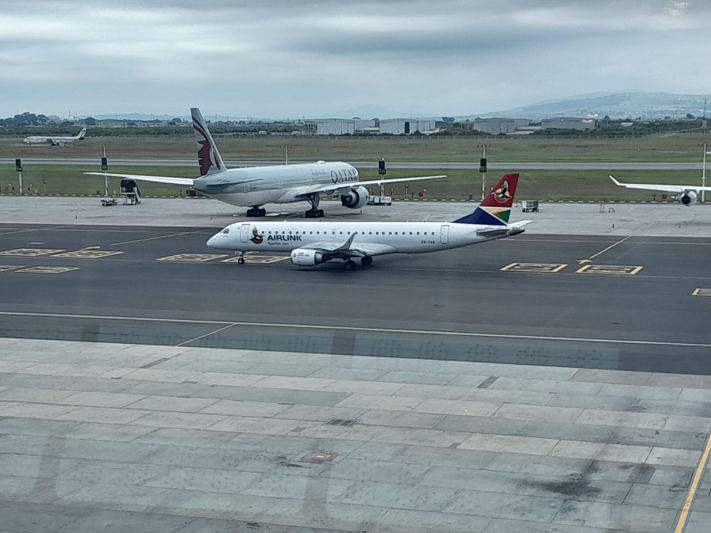
Scoot attributes its agility in entering emerging markets to its use of smaller jet planes, specifically the Embraer E190-E2, which seats 112 passengers. This contrasts with the larger Airbus A320 family jets, typically seating 180, or Boeing 737s used by other carriers like Garuda Indonesia, Batik Air, Citilink, TransNusa, and Pelita Air for their Singapore services. The smaller capacity provides Scoot with greater flexibility to match demand in these developing markets, allowing for the launch of routes that might not sustain larger aircraft.
Economic Boost and Unlocking Latent Demand
The introduction of direct flights to previously less accessible cities is driving regional economic growth and creating new opportunities. For instance, the direct flight from Singapore to Belitung, which Scoot commenced in May 2026, reduced travel time from over five hours with a Jakarta transit to just 90 minutes. Indonesian Economic Ministry spokesman Haryo Limanseto commented that the resumption of international flights to Belitung forms part of a wider strategy to accelerate regional economic development, generate employment, and diversify the country's foreign exchange sources.
Global travel data platform OAG's commercial and industry affairs leader for Asia-Pacific, Mayur Patel, observed that the market is expanding into numerous provincial cities previously without direct Singapore links. This shift moves the relationship between Indonesia and travellers from Singapore beyond the familiar hubs. On August 14, 2026, Indonesia’s Ministry of Tourism reported that Singapore-Belitung flights maintain an average load factor of over 93 per cent, transporting approximately 915 passengers monthly. Ministry official Wiendyazkia Nur Ariffa stated that removing transit friction immediately revealed untapped demand.
Implications for Travellers and the Industry
This expansion of direct air services significantly broadens options for travellers from Singapore, offering direct access to a wider array of Indonesian destinations beyond the well-known tourist areas. Individuals can now visit locations like Belitung, Padang, and Pontianak with reduced travel times and increased convenience, making these regions more appealing for both leisure and business travel. This allows for exploring Indonesia's diverse cultural offerings and natural landscapes that were previously harder to reach.
For the aviation and tourism industries, the success of these new routes, particularly those operated by smaller aircraft, demonstrates a viable model for developing secondary and tertiary markets. It shows that targeted connectivity can unlock significant latent demand, benefiting local economies in provincial cities by channelling international visitors and business directly. This trend suggests that airlines and tourism boards will continue to assess and develop similar underserved routes across Southeast Asia, fostering greater regional integration and economic activity.
Get The Post.
The global travel stories that matter, three mornings a week. Free.