Scotland's Screen Boom: 'The Traitors' Sparks Local Job Debate
While Scotland's screen sector aims for a £1 billion economic contribution by 2030, a recent study revealed only 6% of 'The Traitors' crew were Scottish, sparking debate on local employment amidst rising visitor numbers at filming sites.
Economic Growth Driven by Film and Television
Scotland's film and television industry continues its year-on-year expansion, with projections indicating it will contribute £1 billion to the national economy by 2030.
High-profile productions such as "The Traitors" have significantly boosted this growth; the BBC reported that the show alone has added £21.8 million to the Scottish economy since 2022, through employment, supply chain spending, and screen tourism.
Popular sites like Ardross Castle, featured in "The Traitors," and the Highlands and islands, known for "Outlander" and "The Odyssey," attract visitors keen to see on-screen locations in person. Glasgow city centre has also served as a backdrop for major films, including "Indiana Jones" and "Batman," standing in for New York and Gotham City respectively.
Debate Over Local Employment Opportunities
Despite the economic uplift, concerns persist regarding the employment of local talent within Scotland's booming screen sector. Peter Strachan, a documentary film-maker and academic who founded Standing Up For Scotland’s Screen Talent, conducted research last year revealing that approximately 6% of the production staff for series three of "The Traitors" were Scottish.
This figure is notably below the 8% network hours and expenditure quota for Scotland set by Ofcom for the BBC. Mr. Strachan has also called on Sony Pictures to disclose the number of local crew hired in Glasgow for "Spider-Man: Brand New Day," which filmed in the city in 2025, questioning whether "local hiring" truly means employing established Scottish screen professionals.
David Smith, interim executive director of Screen Scotland, acknowledged the sector's benefits but noted a "consistent decline" in commissions from Scottish production companies by public service broadcasters.
Overtourism Challenges at Filming Locations
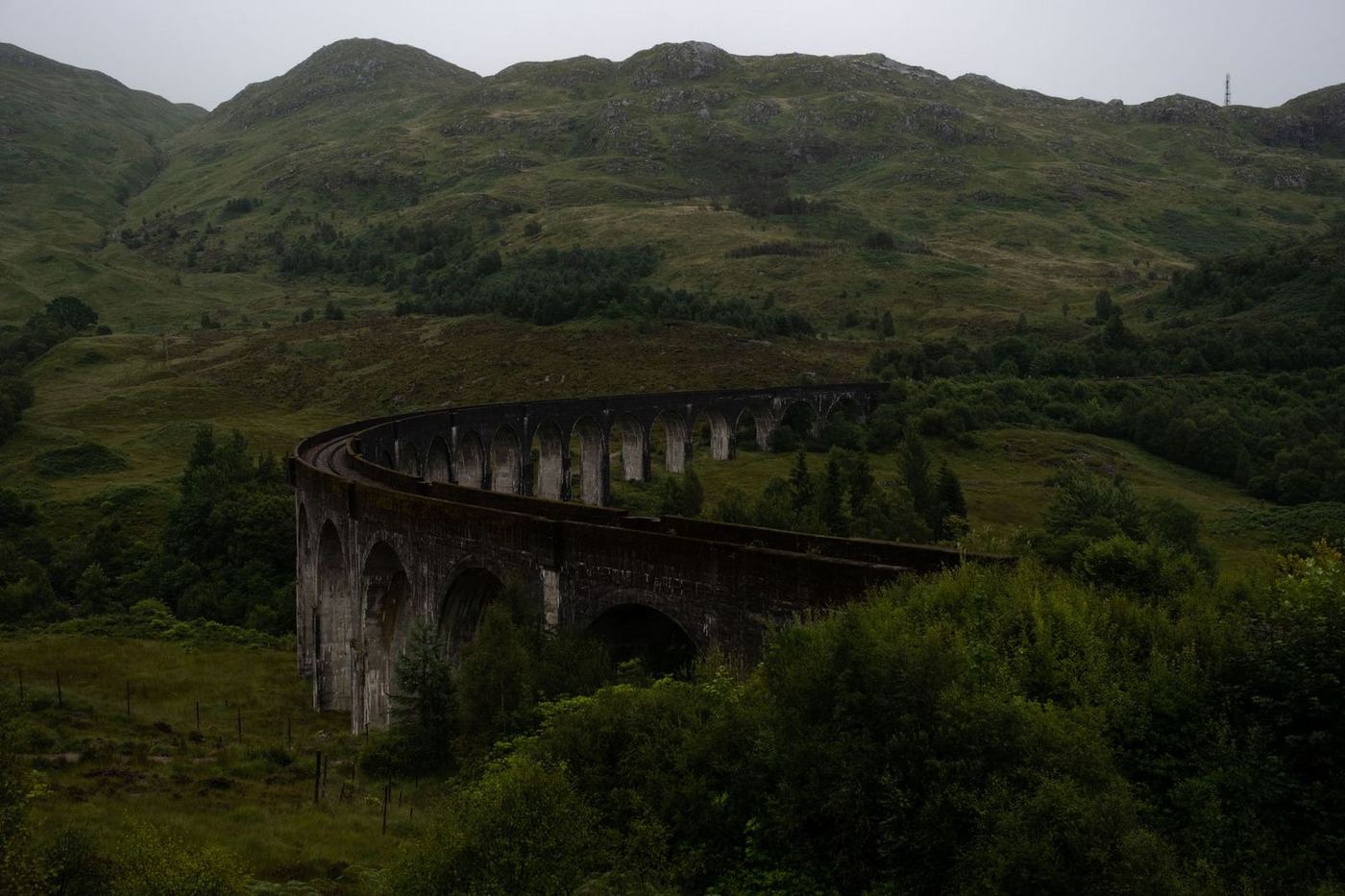
The popularity of screen tourism has led to significant challenges in several Scottish locations. Glenfinnan, a hamlet in the Highlands famous for its viaduct featured in the "Harry Potter" films, has become overwhelmed by visitors. Last month, Police Scotland issued a warning to tourists about unsafe parking and antisocial behaviour in the area.
Similarly, Culloden, a village near Inverness prominent in the "Outlander" series, experienced a temporary closure in 2023 due to deterioration caused by excessive visitor numbers. Data from Glasgow Caledonian University and the Association of Scottish Visitor Attractions confirmed that Culloden battlefield saw a 43% increase in visitors last year.
Jenni Steele, film and creative industries manager at VisitScotland, recognised the economic benefits of film tourism but conceded that success can create difficulties in specific areas.
Managing Visitor Impact and Asian Parallels
VisitScotland works with local partners to understand and address the challenges posed by increased visitor traffic, aiming to educate tourists on responsible travel and encourage exploration beyond popular on-screen sites. The situation in Scotland mirrors similar concerns in Asian destinations that gain international fame through film and television.
For instance, locations in South Korea, widely recognised from K-dramas, often grapple with sudden surges in tourist numbers, leading to infrastructure strain and environmental impact.
Authorities in these Asian regions, much like VisitScotland, are increasingly focused on strategies to distribute tourism more evenly, protect natural and cultural sites, and ensure local communities benefit sustainably from their newfound global recognition.
Get The Post.
The global travel stories that matter, three mornings a week. Free.


