Shanghai Deploys AI Terminals for International Visitors
Shanghai has introduced 100 AI-powered terminals across the city to streamline services for inbound travellers. The initiative, featuring the 'Hu Xiaoyou' AI agent, supports multiple languages and currencies, coinciding with a notable rise in foreign tourist arrivals to the Chinese metropolis.
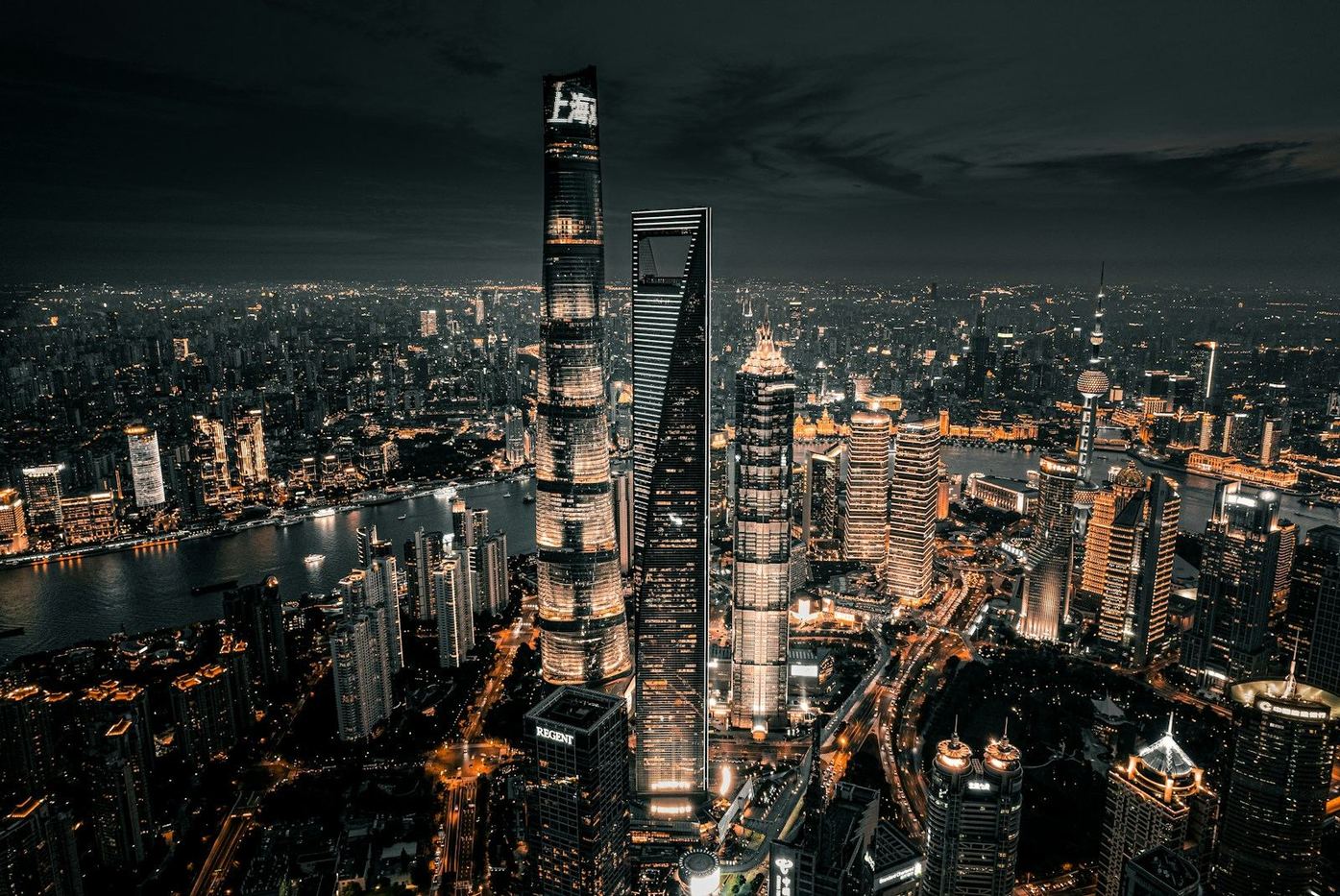
Shanghai Introduces AI Tourist Terminals
Shanghai has rolled out 100 artificial intelligence-powered terminals across the city, designed to enhance services for international visitors. The terminals commenced operation on 19 August 2026. This initiative arrives as Shanghai records a significant increase in inbound tourism.
Each terminal incorporates an AI agent named Hu Xiaoyou, which provides a range of travel-related assistance. This includes offering directions, real-time language translation, suggestions for local attractions, and facilitating ticket bookings. Visitors are also able to use the system to generate personalised travel plans, as reported by Xinhua News Agency.
The system’s capabilities are supported by a database containing over 84,000 listings, covering cultural events, various attractions, and sporting activities within Shanghai. Furthermore, it is connected to approximately 14,000 booking and retail services.
Multilingual Support and Payment Options
The newly deployed terminals cater to a diverse international audience by supporting 10 languages. These include widely used languages such as English, Japanese, Korean, Thai, Russian, and Arabic, reflecting the varied origins of Shanghai's international guests.
Crucially for global travellers, the terminals are equipped to process payments in more than 120 currencies, addressing a common challenge for foreign visitors in China. While the AI system offers extensive self-service options, human assistance remains available at these sites.
Volunteers are on hand to provide additional support to visitors who may require it, ensuring that technological advancements complement personal service rather than replacing it entirely.
This dual approach aims to address potential complexities that international visitors might encounter, from navigating the city to managing diverse payment methods, thereby creating a more reassuring arrival and stay.
Surging Inbound Tourism and Digital Initiatives
This technological upgrade aligns with a period of significant growth in Shanghai's inbound tourism sector. The city welcomed 5.3 million international tourists during the first half of 2026, a 27.82% increase compared to the same period last year. This rise underscores the increasing importance of efficient visitor services.
The AI terminal rollout is part of a broader strategy by Shanghai to integrate digital tools for overseas visitors. In June 2026, the city launched a demonstration site for "Meet China," a multilingual platform designed to assist international visitors.
According to Chinese newspaper Wenhui Daily, Meet China helps travellers search for local services, place food orders, and complete payments using familiar methods. The platform also supports local businesses, including restaurants, attractions, and hotels, by providing translation tools, content services, and customer-data insights to better serve foreign guests.
Implications for Global Travel and Industry
The introduction of AI-powered terminals and comprehensive digital platforms like Meet China demonstrates Shanghai's proactive approach to enhancing its appeal as a global travel destination.
For international travellers, these systems directly address common pain points such as language barriers, navigation challenges, and payment complexities, potentially leading to smoother and more enjoyable visits.
The wide acceptance of currencies and multilingual support could make Shanghai a more accessible city for a broader range of visitors from various regions, including those from other Asian markets. For the travel industry, Shanghai's investment in advanced visitor infrastructure reveals a commitment to leveraging technology for destination management and marketing.
This move could set a precedent for other major urban centres, particularly in Asia, looking to accommodate a growing influx of international tourists while maintaining high service standards.
The integration of AI with human support also highlights a model for balancing efficiency with personalised assistance, offering valuable insights into future trends for smart tourism development.
Get The Post.
The global travel stories that matter, three mornings a week. Free.