Southwest Alters Extra Seat Refund for Plus-Size Passengers
The US carrier's updated Customer of Size policy links additional seat refunds to flight occupancy, creating financial uncertainty for some travellers booking extra space.
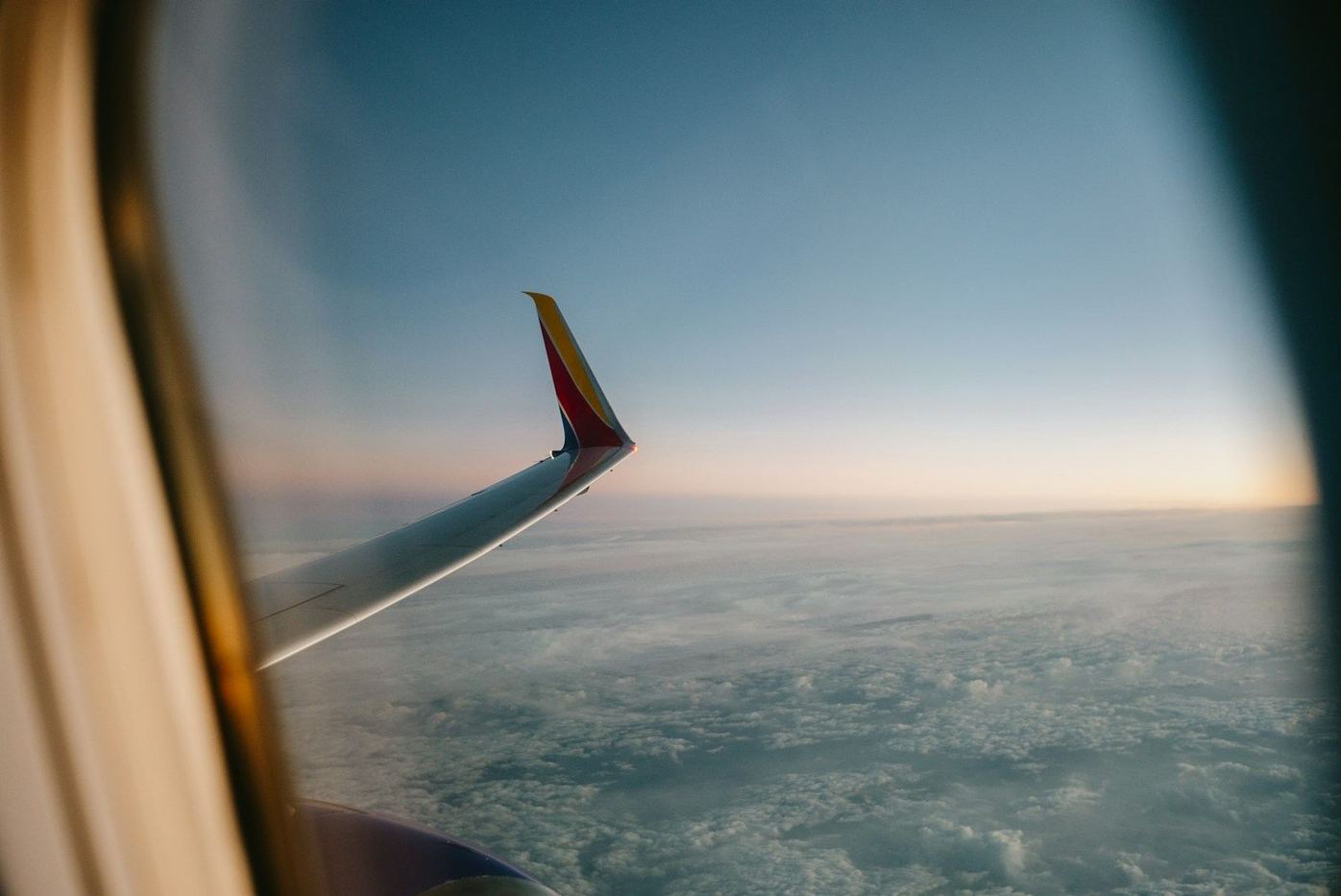
Southwest Links Refunds to Flight Occupancy
Southwest Airlines has revised its Customer of Size policy, introducing a significant change to how plus-size passengers can obtain refunds for additional seats. Under the updated terms, travellers requiring more space may purchase a second seat to ensure comfort and safety.
However, the airline stipulates that a refund for this extra seat is now conditional on the specific flight departing with at least one unoccupied seat. This policy, detailed in information from the National Association to Advance Fat Acceptance (NAAFA), means that the final cost to the passenger becomes variable, depending on the flight's load factor on the day of departure. Passengers must also submit their refund request within 90 days of travel.
Assigned Seating Framework
This adjustment to the Customer of Size policy follows Southwest's fundamental shift from its long-standing open-seating model. The carrier officially ended its approximately 50-year tradition of allowing passengers to choose any available seat after boarding on 27 January 2026. This was replaced by an assigned seating system and a group-based boarding process.
While the new arrangement provides travellers with more certainty about their seat location, it also makes seat allocation a more explicit part of the booking process. For passengers who cannot comfortably fit within a single seat's dimensions, this distinction is particularly relevant, integrating the extra seat accommodation into a new commercial structure.
80% Load Factor Creates Uncertainty
The financial uncertainty for passengers is amplified when considering Southwest's typical flight occupancy. A report by Marketplace indicated the airline's load factor averages around 80%. This figure suggests that, on average, roughly one-fifth of seats are unoccupied across its operations.
However, this is an average and does not guarantee spare capacity on every individual flight. Popular holiday routes, business-heavy services, or flights affected by network disruptions can operate with substantially higher occupancy.
Since the refund condition is tied to the actual departure state of an individual flight, passengers cannot confidently budget for the lower price of a single seat, as they may still be required to pay for the second seat if the aircraft departs full.
Budgeting Challenges and Global Parallels
This policy change presents a budgeting challenge for affected Southwest travellers, who now face variable costs for what was previously a more predictable accommodation. While this specific 'Customer of Size' refund policy is unique to Southwest Airlines and its US market, the broader issue of managing seating for larger passengers is a consideration for airlines globally.
In Asia, many carriers operate with assigned seating and manage extra space requests through direct purchase of an additional seat or upgrades. However, the practice of linking a refund for a pre-purchased extra seat to the real-time load factor at departure is less common.
Asian airlines and regulators may observe Southwest's approach to assess its impact on passenger experience and operational efficiency, particularly as global travel patterns evolve.
Get The Post.
The global travel stories that matter, three mornings a week. Free.


