Thai Airways Boosts Suvarnabhumi Hub with Winter Capacity
Thai Airways International is expanding Bangkok’s Suvarnabhumi Airport into a major connecting hub, with plans for nearly 1,000 weekly flights across 66 routes this winter.
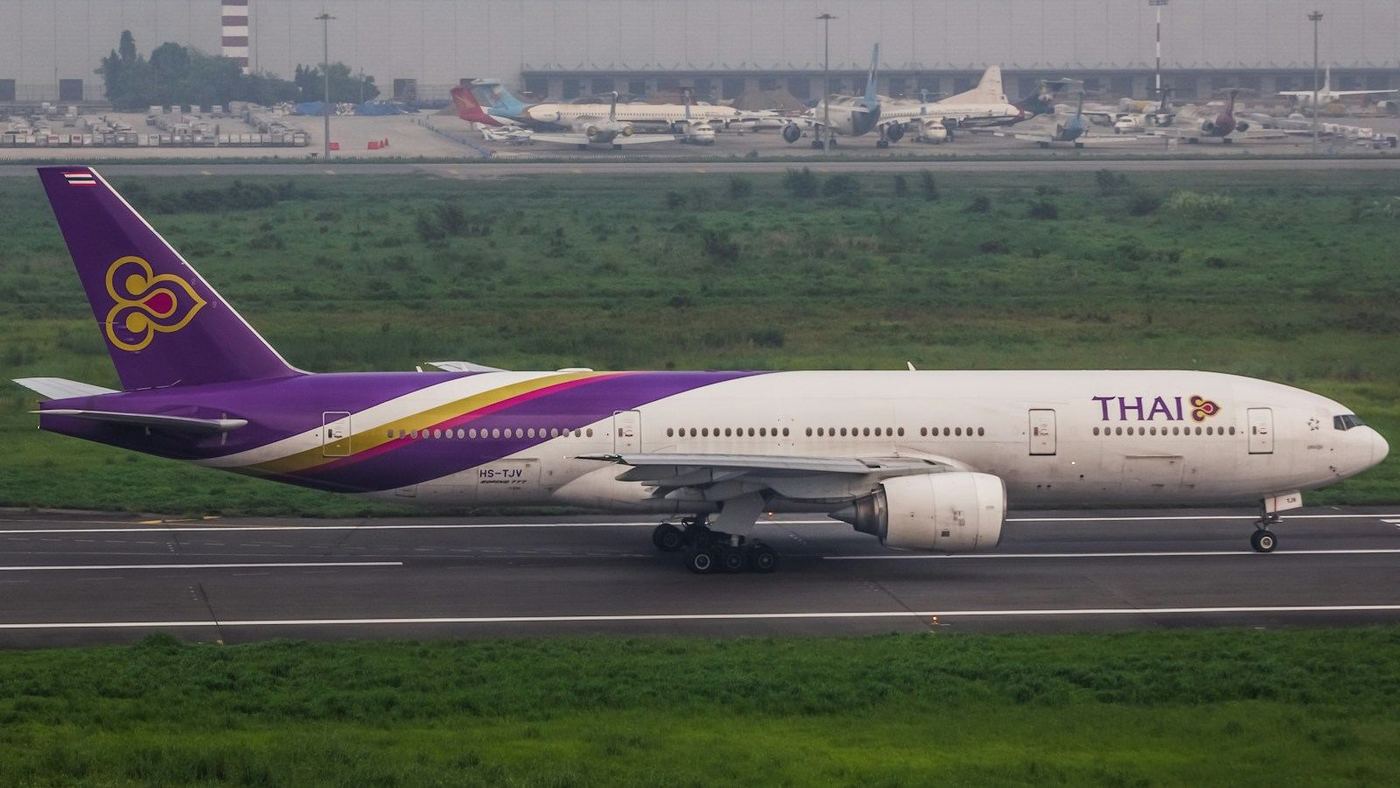
Hub Strategy and Winter Schedule
Thai Airways International (THAI) is developing Bangkok’s Suvarnabhumi Airport as a significant connecting hub, central to its new "Silk Hub" initiative. This strategy aims to increase transfer traffic through Bangkok, moving beyond a primary focus on point-to-point travel.
According to Thai Airways Chief Commercial Officer Kittiphong Sansomboon, Suvarnabhumi will serve as a traffic conversion point, linking regional feeder markets with THAI’s long-haul network.
The airline's winter 2026/2027 schedule, running from October 25, 2026, to March 27, 2027, will feature 66 routes and a total of 998 weekly flights, marking a substantial capacity expansion. Kittiphong noted that a hub's value comes from its ability to connect onward traffic, not merely its geographical location.
Network Expansion and Frequency Increases
Supporting its hub strategy, Thai Airways will introduce a new Bangkok–Danang service beginning December 1, operating 14 weekly flights. The airline will also resume Xiamen services with four weekly flights. European frequencies are set to increase, with Paris flights rising to 14 weekly, Zurich to 11, and Munich to 10 weekly.
Within Southeast Asia, services to Vientiane and Yangon will each increase to 21 weekly flights, while Siem Reap will see seven weekly flights. India remains a key volume market, accounting for approximately 98 weekly flights. Regional feeder traffic, particularly from Southeast Asian markets, will be served by Airbus A320 and A321neo aircraft, according to Thai Airways.
Revenue Focus and Market Mix
Thai Airways is prioritising quality revenue over simply filling cabins, a strategy that carried the airline through the second quarter of 2026. Chief Commercial Officer Kittiphong Sansomboon stated that the airline maintains capacity, pricing, and traffic-mix discipline.
Advance bookings for the period from October 2026 through March 2027 are higher than for the same period last year. While the overall cabin factor saw a slight decline, this was confined to economy class, with premium cabin bookings showing an increase.
The airline aims to draw higher-yielding traffic from long-haul services originating in Europe and Australia, connecting them across its network.
Enhancing Passenger Experience and Industry Implications
To enhance the travel experience, Thai Airways has launched "Junior Sky Explorers", a programme tailored for its more than 300,000 annual child passengers. This initiative incorporates five Thai animal characters across various touchpoints, including in-flight entertainment, children’s meal boxes, Royal Orchid Plus membership cards, and merchandise.
For travellers, this expansion means increased connectivity and more direct options, particularly within Asia, with new routes and higher frequencies to key destinations.
The airline's strategic focus on a profitable hub model, rather than volume at any cost, could influence other Asian carriers to refine their own network strategies, particularly as demand for premium travel continues to firm.
Get The Post.
The global travel stories that matter, three mornings a week. Free.


