Thailand Enforces Nationwide Alcohol Sales Ban for Buddhist Holidays
Thailand will implement a nationwide prohibition on alcoholic beverage sales from July 29 to July 30. This ban coincides with Asalha Bucha Day and Buddhist Lent Day, with strict penalties for non-compliance. Certain licensed venues, including hotels and international airport terminals, are exempt.
Nationwide Alcohol Ban Takes Effect
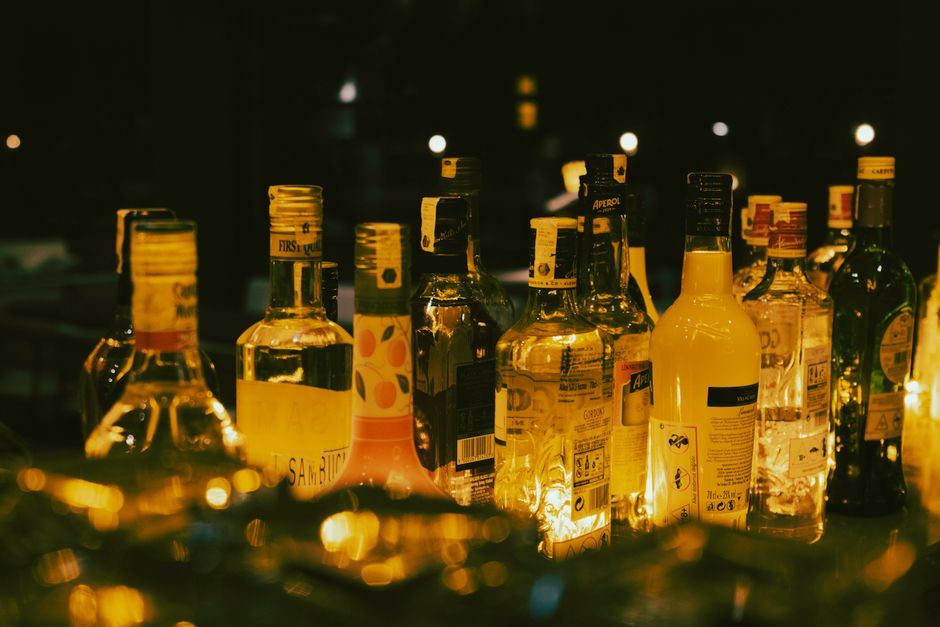
Thailand will enforce a nationwide ban on alcoholic beverage sales. This prohibition aligns with two significant Buddhist holidays. The measure takes effect from 12:01 a.m. on July 29. It will remain in force until midnight on July 30. The Royal Thai Police issued a reminder regarding the upcoming restrictions. Asalha Bucha Day, observed on July 29, commemorates the Buddha's first sermon. This day is a public holiday for government offices and banks. Many private businesses also close. Buddhist Lent Day, on July 30, marks the start of a three-month Buddhist retreat. This second day is a government holiday. Banks and some private companies may operate unless employers grant an additional day off. This policy aims to uphold religious observances across the country.
Exemptions for Licensed Establishments
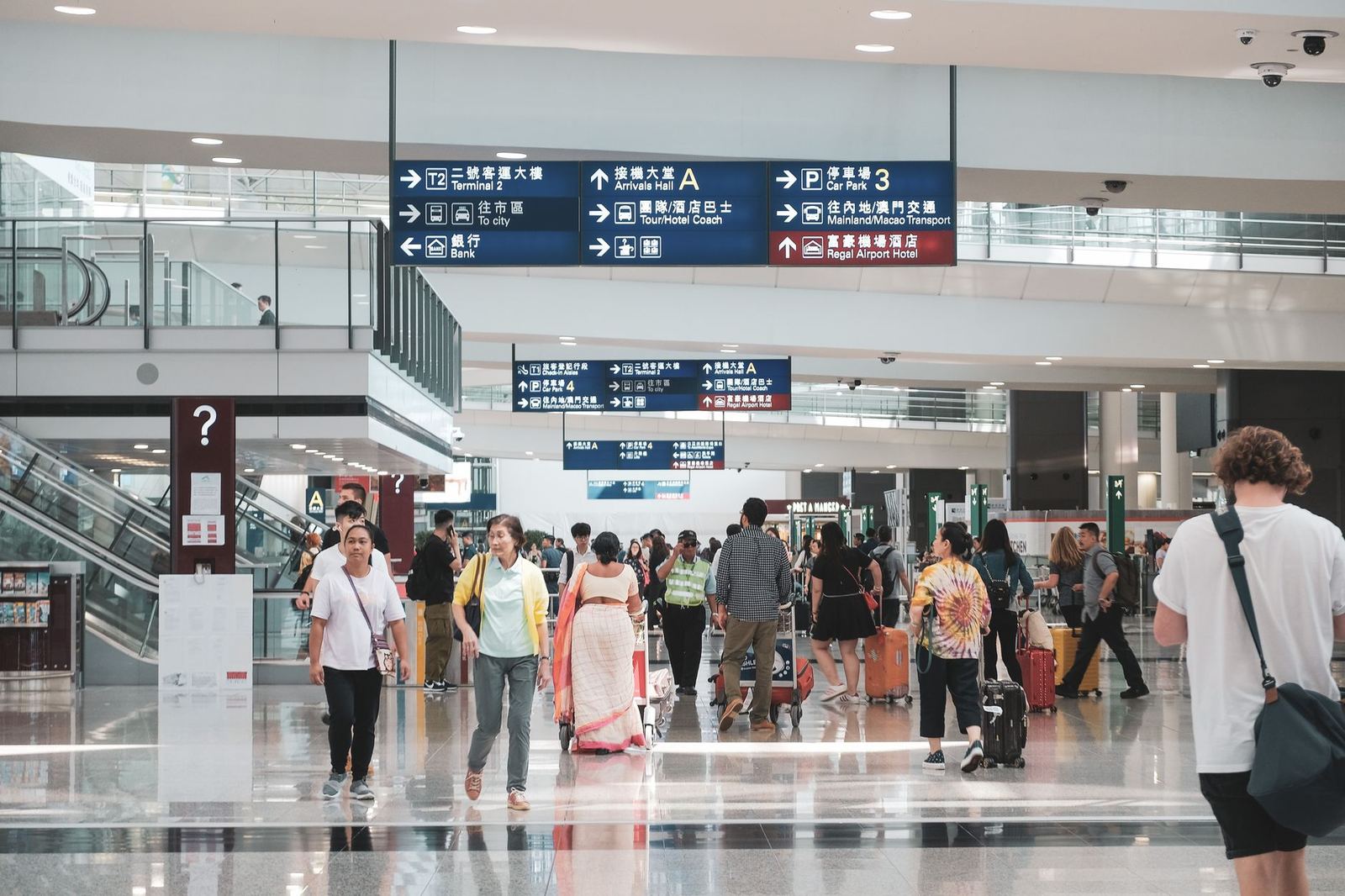
Despite the broad prohibition, specific venues retain permission to sell alcohol. A 2025 Prime Minister's Office notification outlines five categories of exemptions. These include international airport terminals. Licensed entertainment venues can also continue sales. Businesses operating similarly to entertainment venues in officially designated tourism zones are exempt. Licensed hotels form another category permitted to sell alcoholic drinks. Finally, approved venues hosting major national or international events are included. The Public Health Ministry, on recommendation from the Tourism and Sports Ministry, designates these events. Authorities stress that these exemptions apply only to properly licensed premises. They also cover officially designated locations. This ensures compliance while accommodating certain sectors.
Enforcement and Penalties for Violations
The Royal Thai Police confirm active measures to ensure adherence to the ban. Inspection teams have been deployed across the nation. These teams will monitor compliance throughout the holiday period. Violators face significant legal consequences. Anyone found illegally selling alcohol during the ban faces potential imprisonment. The maximum sentence is six months. A fine of up to 10,000 baht, equivalent to approximately US$297, also applies. Offenders may receive both a prison sentence and a fine. These strict penalties underscore the government's commitment to enforcing the prohibition. The regulations aim to maintain public order during a period of religious significance.
Implications for Travellers and the Industry
Travellers visiting Thailand during this period should note the alcohol sales restrictions. Most retail outlets, bars, and restaurants will not serve alcoholic beverages. However, guests staying in licensed hotels can still purchase drinks within their accommodation. International airport terminals also maintain alcohol sales. This policy impacts local tourism businesses not covered by the exemptions. The ban is a regular occurrence during major Buddhist holidays in Thailand. Such measures are common across various Southeast Asian nations. For instance, Myanmar and Sri Lanka also observe similar alcohol restrictions on religious days. This practice reflects a broader regional approach to cultural and religious sensitivities. The VnExpress International — Travel publication reported this development.
Get The Post.
The global travel stories that matter, three mornings a week. Free.
By subscribing you consent to receive this newsletter from GlobalTravelPost (Asia Press Centre Pte. Ltd.); unsubscribe at any time.