Thailand Enacts Tougher Deportation Rules for Foreign Visitors
Thailand has implemented new regulations permitting the deportation of foreign nationals convicted of illegal activities. These measures became effective on Friday, August 28, 2026. The policy follows increased government scrutiny of visitor conduct and aims to uphold the country’s cultural values, according to Thai officials.
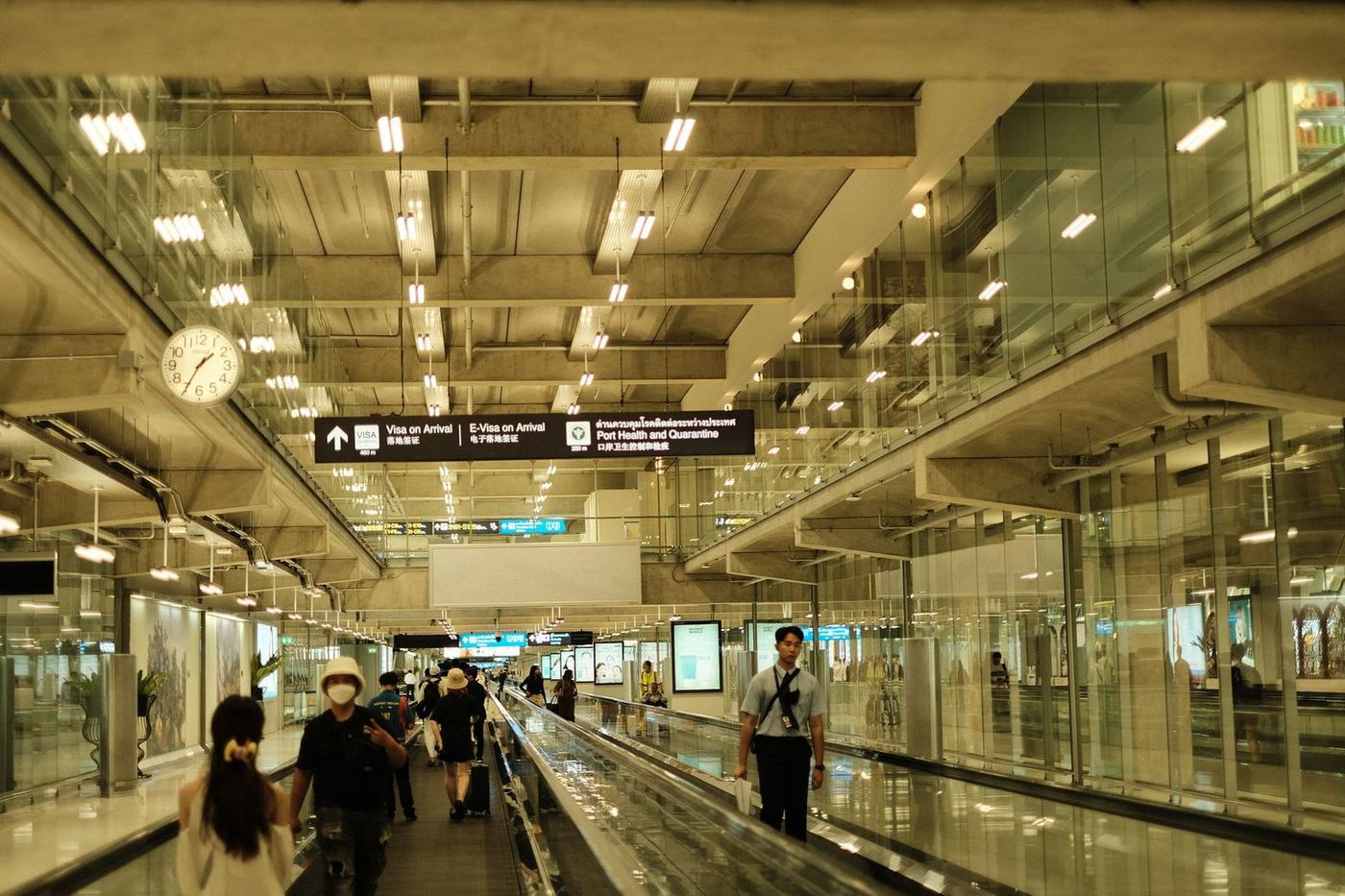
New Deportation Policy Takes Effect
Thailand's government has enacted new regulations concerning the deportation of foreign nationals. These measures apply to individuals convicted of illegal activities within the kingdom. The new rules became effective on Friday, August 28, 2026. Tourism Minister Surasak Phancharoenworakul stated that law-breaking foreign tourists or workers must leave.
This policy shift follows increased scrutiny of visitor conduct. Officials aim to safeguard Thailand's cultural values through these new provisions.
Scope of Offenses and Regulatory Details
The new regulations detail procedures for deporting foreigners after conviction and sentence completion. Covered offences include visa overstays and unlawful work or business operations. Using or making forged documents also falls under these rules. Any other crime carrying a prison sentence exceeding five years triggers the new policy.
Prime Minister Anutin Charnvirakul's government approved these measures in July. The Royal Gazette published the new regulation. It notes that Thailand welcomes foreigners to travel, work, and conduct business. However, it states some foreigners do not adhere to local laws. Surasak mentioned these rules target “low-quality foreigners” who disrupt public order. Previously, deportation cases were largely assessed individually.
Context of Recent Visitor Incidents
This policy change follows several high-profile incidents involving foreign visitors. In May, Thailand reduced the visa-free stay for most nationalities from 60 to 30 days. Recent arrests involved foreigners for drug offences and sex trafficking. Others were held for operating unlawful businesses, including hotels and schools.
Public debate arose from incidents like a group of Italian students being disruptive on a Bangkok train in July. Italy's embassy later apologised for the behaviour. Authorities deported a Spanish and a Peruvian national in May. This couple was caught engaging in public indecency, an offence under Thai law.
Economic Balancing Act and Future Outlook
Tourism constitutes 13% of Thailand's Gross Domestic Product. Experts warn of balancing tighter oversight with this economic reliance. Thailand expects 33.5 million foreign tourists in 2026. This figure shows a slight increase from nearly 33 million visitors in 2025. The country has received 18 million foreign tourists this year.
However, arrivals were down 3% from the same period last year. The government's focus on visitor conduct may influence future tourism numbers. Industry stakeholders will monitor how these rules affect arrival figures. This policy aims to maintain order while sustaining the vital tourism sector.
Get The Post.
The global travel stories that matter, three mornings a week. Free.