TravelAI Acquires Sonder Brand, Launches AI-Powered Urban Stay Guide
TravelAI has revived the Sonder brand, transforming it into an artificial intelligence-driven platform for urban accommodation searches. This move follows Sonder's 2025 bankruptcy.
Sonder Brand Returns Under New Ownership
TravelAI, led by Chief Executive John Lyotier, has acquired the Sonder brand and its intellectual property. The company relaunched Sonder.com this week. It now functions as an artificial intelligence-powered guide for urban accommodation searches. Lyotier noted the brand still holds "residual brand value" among travellers.
This development follows the original Sonder's operational collapse. The initial apartment-style provider launched in 2014. It ceased trading in November 2025. This demise resulted from a terminated licensing agreement with Marriott International. A subsequent bankruptcy filing sealed its fate. TravelAI's move marks a second chapter for the brand name.
Rationale for Brand Revival
TravelAI Chief Executive John Lyotier explained the rationale behind acquiring the Sonder brand. He stated the original Sonder invested substantial capital into marketing. By 2024, the organisation spent $84 million on sales and marketing efforts. This investment resulted in "residual traffic and residual brand value" for the name.
Lyotier observed that many individuals remained unaware of Sonder's prior collapse. They continued searching for the brand online. This enduring recognition made the acquisition appealing. TravelAI aims to leverage this brand equity. The new platform helps users find design-centric, tech-forward stays. These accommodations are meant to evoke the original Sonder concept. Lyotier expressed admiration for Sonder's initial brand and product. He called its prior collapse "a real shame."
TravelAI's Strategic Focus
TravelAI's strategy centres on digital distribution and marketing. The company does not operate physical real estate. Lyotier clarified that TravelAI focuses on the digital realm, not hotel operations. He noted TravelAI sought an urban market presence. This complements its existing network, which largely covers beach and mountain destinations.
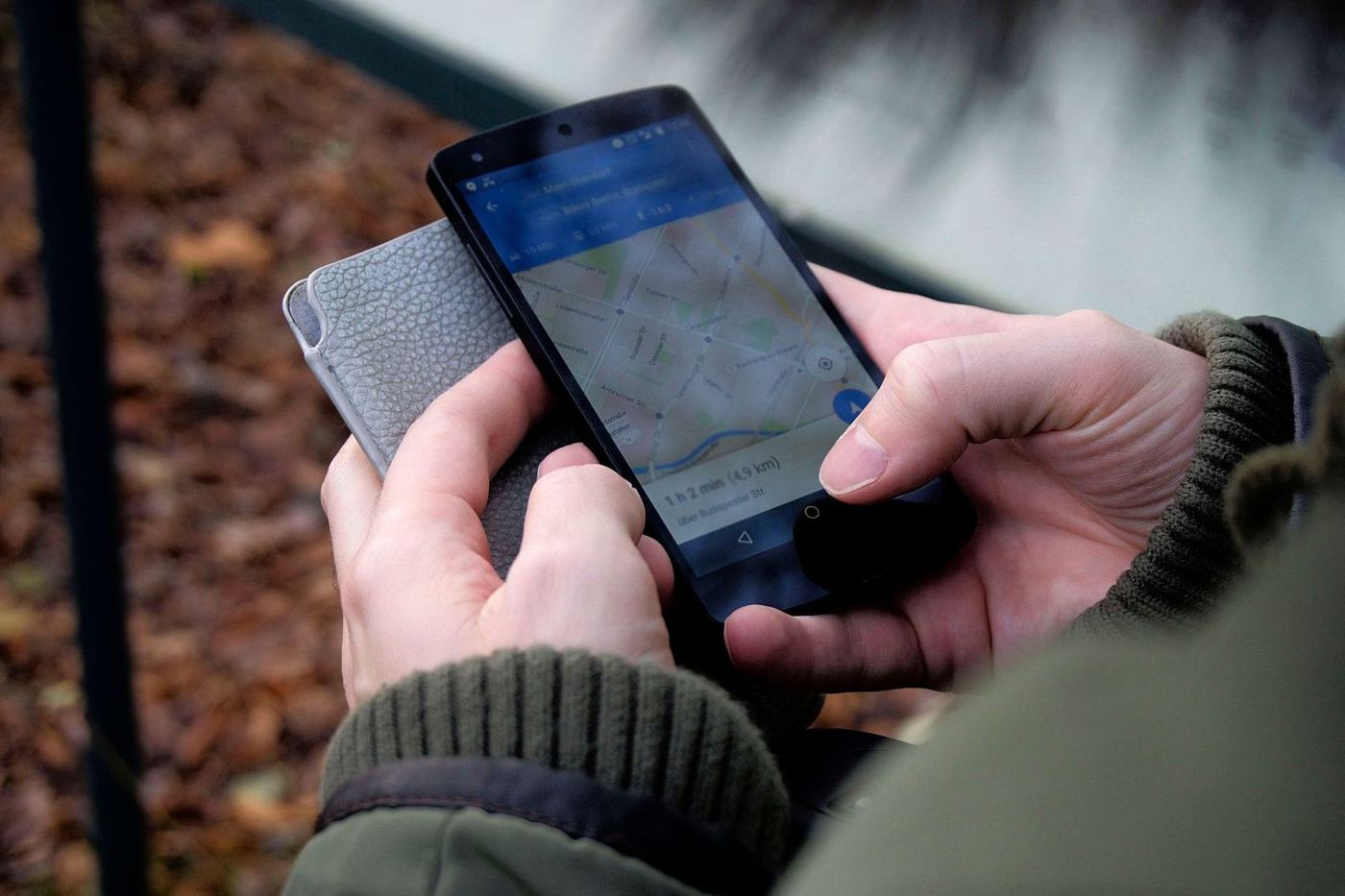
The new Sonder.com integrates a project called "traveler.md." This system functions as a "memory infrastructure." It allows users to input personal travel preferences. These details can then be shared with AI agents like Claude or ChatGPT. The goal is to personalise accommodation searches. This customisation is based on individual desires and past travel behaviour. TravelAI aims to capture and utilise this information for a better user visit.
Market Outlook and Future Goals
Lyotier expressed confidence in the Sonder brand acquisition's value. He set aggressive targets for the brand's performance. TravelAI aims to achieve $100 million in gross booking value within the next 12 months. Lyotier projects the company will recover its investment in months, not years. This indicates a strong belief in the asset's immediate returns.
TravelAI believes artificial intelligence's primary role in travel is enhancing the traveller's visit. Lyotier emphasised putting "humanity into the machine." This involves grounding AI interactions in user travel behaviour. The company seeks to create a portable travel context. This ensures personalisation across its ecosystem.
Get The Post.
The global travel stories that matter, three mornings a week. Free.