United Airlines Non-Revenue Flight Attendants Gain Access to Crew Bunks on Widebody Aircraft
United Airlines flight attendants travelling on non-revenue tickets may now use dedicated crew rest bunks on international widebody aircraft, a change aimed at providing better rest than standard jumpseats. This policy, agreed with the Association of Flight Attendants, applies under specific conditions and follows a delay in implementation.
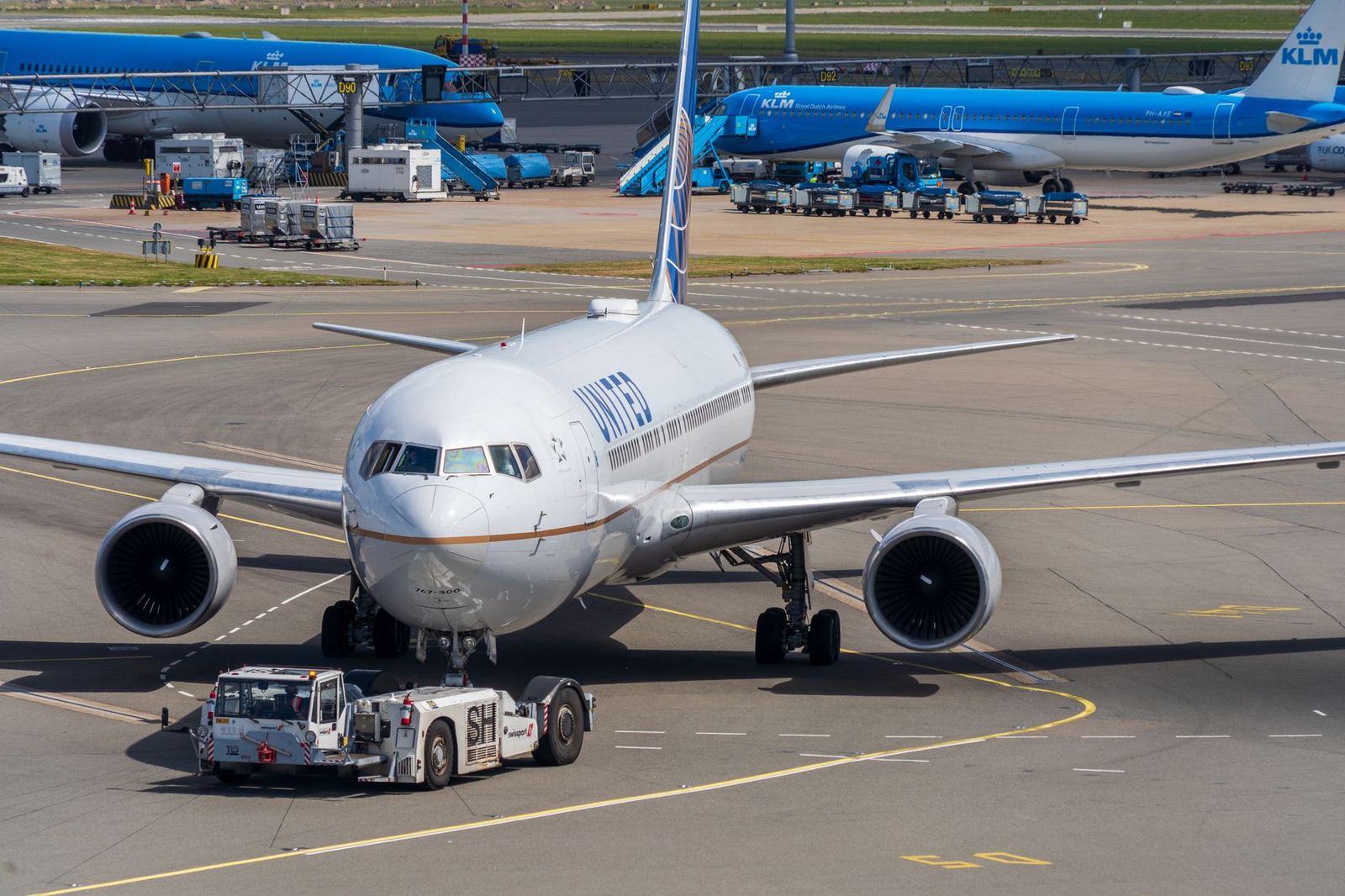
United Airlines Approves Crew Bunk Access for Non-Revenue Staff
United Airlines has introduced a new policy allowing its flight attendants travelling on non-revenue, or 'non-rev', tickets to occupy dedicated crew rest bunks on international widebody aircraft. This development, reported by Paddle Your Own Kanoo on 29th July 2026, emerged several weeks prior following the conclusion of extensive contract negotiations between the carrier and the Association of Flight Attendants (AFA-CWA). The change addresses the challenge of securing adequate rest for staff during long-haul flights when all passenger seats are occupied, leaving non-revenue personnel on less comfortable jumpseats. The policy specifically concerns the 'Overhead Flight Attendant Rest' (OFAR) facilities found on Boeing 777s and 787 Dreamliners, which offer flat beds, a significant improvement over the pull-down jumpseats typically assigned to standby crew. This move aligns United Airlines with other US carriers, such as non-unionised Delta Air Lines, which has permitted similar use of crew bunks for its non-revenue flight attendants for several years.
Specific Conditions for Bunk Utilisation
Access to these crew bunks is subject to strict conditions. The bunks are exclusively available to United Airlines flight attendants who have been assigned a jumpseat due to a fully booked aircraft; staff with a confirmed passenger seat are not eligible. Only United's own flight attendants can use these facilities; flight attendants from other airlines travelling on standby are excluded, even if trained on the specific aircraft type. Availability depends on the aircraft model and the number of working crew requiring rest during their assigned breaks. Bunks cannot be shared, and if multiple non-revenue flight attendants are present, use is prioritised by seniority. Furthermore, occupancy is restricted to cruising altitude: 15,000 feet on Boeing 787s and 25,000 feet on Boeing 777s. Non-revenue crew must occupy their jumpseats during taxi, take-off, ascent, descent, and landing. It is also a requirement for non-revenue personnel to avoid disturbing the working crew during their rest periods. United Airlines managers, even those with flight attendant training, are not permitted to use the bunks under this policy.
Operational Practicalities and Aircraft Variations
The implementation of this benefit faced a delay as the AFA-CWA worked to establish a fair usage policy, which has now been agreed. While working crew breaks take precedence, non-revenue staff may still utilise bunks at other times, such as during meal services, returning to their jumpseats during assigned crew rest periods. Practical coordination with the international purser will be necessary to manage bunk allocations and avoid inconveniencing the active crew, who often have preferred rest areas. Aircraft types also present variations in crew rest facilities. The Boeing 777-300 is generally considered to offer superior OFAR facilities, with all bunks providing equal space and minimal noise interference from the main cabin. In contrast, the Boeing 787 features some more private bunks and one roomier option, though this larger space is situated directly above the galley, potentially compromising quiet conditions. Crew bunks on the Airbus A380, particularly those built into the main deck cabin, are often regarded as less comfortable due to their cramped nature and susceptibility to cabin noise.
Implications for Staff Welfare and Global Aviation
This policy change at United Airlines marks a notable improvement in welfare provisions for its non-revenue flight attendants, addressing a long-standing issue of comfort during extensive long-haul travel. Providing access to proper rest facilities can contribute to improved staff morale and may enhance the carrier's appeal in a competitive labour market for cabin crew. While this specific agreement arises from a unique US labour context and union negotiations, the focus on crew well-being for all staff, including those travelling on standby, holds broader relevance for the global aviation sector. Asian carriers operating extensive international networks with similar widebody aircraft, such as Singapore Airlines, Cathay Pacific, and Emirates, constantly review staff benefits to attract and retain talent. Although direct policy parallels may not emerge immediately due to differing labour laws and unionisation levels across Asia, United's move demonstrates a commitment to staff comfort that could inform future discussions on crew welfare provisions within Asia's competitive airline industry, potentially influencing how airlines manage non-revenue travel benefits in the region.
Get The Post.
The global travel stories that matter, three mornings a week. Free.
By subscribing you consent to receive this newsletter from GlobalTravelPost (Asia Press Centre Pte. Ltd.); unsubscribe at any time.