United Airlines Removes Passenger Over Profane T-Shirt Following Seat Refusal
A United Airlines passenger was removed from a flight on 4 August after declining a seat change and subsequently being asked to cover a T-shirt with profanity. The incident draws attention to airline dress code enforcement.
Incident Prompts Removal
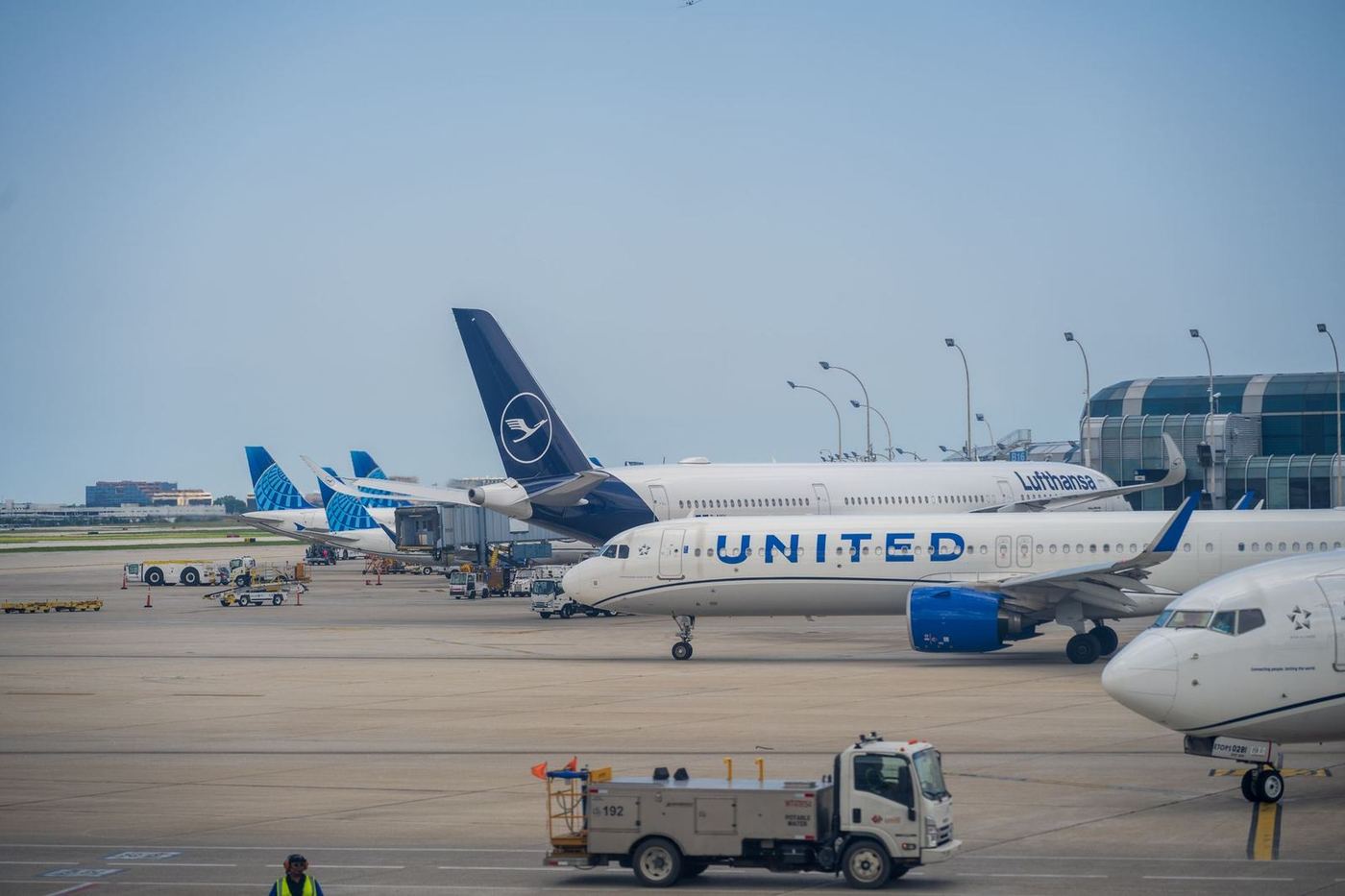
On 4 August, United Airlines removed a passenger from an aircraft after she declined a request to move seats. The incident occurred after the passenger, who had already boarded, was asked to relocate from her assigned seat across the aisle to a middle seat. Following her refusal, approximately five United employees, including a manager, approached her.
They instructed her to either cover or remove a souvenir T-shirt bearing the phrase "NEW YORK / F***IN / CITY". The passenger's husband later shared details of the event on social media, expressing their humiliation over the airline's actions.
Airline Policy and Passenger's Account
United Airlines' Contract of Carriage permits the airline to remove passengers who are “barefoot, not properly clothed, or whose clothing is lewd, obscene or offensive.” The passenger stated that she had checked in, passed through security, and boarded the flight without any prior objection to her attire.
The request to address her T-shirt only arose after she refused the seat swap. This sequence of events raises questions regarding the timing and motivation behind the airline's decision to enforce its dress code policy.
The passenger's husband posted a photograph of the T-shirt on X on 8 August, seeking an explanation from United Airlines and aiming to raise awareness for others who may have faced similar situations.
Previous Cases Show Inconsistent Enforcement
This event is not isolated, demonstrating a broader challenge within the airline industry concerning dress code consistency. Last month, United Airlines asked a Palestinian-American passenger to change a shirt reading “Bombing kids is not self defense,” relying on the subjective “offensive” clause.
Other cases include a Spirit Airlines passenger removed for an “F-hate” hoodie, and an American Airlines passenger removed for an “F-12” mask in 2020. American Airlines also removed a cancer patient for an “F-cancer” hoodie, though the airline later acknowledged the employee's action was incorrect, noting that context matters. These examples show varied interpretations by airline personnel regarding what constitutes inappropriate attire.
Implications for Travellers and Airlines
The recurring nature of such incidents highlights a lack of clear, consistent guidelines for both airline staff and passengers. Travellers face uncertainty about what attire is permissible, as policies are often applied at the discretion of individual employees. This can lead to disputes and discomfort during travel.
For airlines, inconsistent enforcement risks reputational damage and passenger dissatisfaction. The industry may benefit from establishing more explicit and universally understood dress code standards. This would provide greater clarity for passengers and ensure more uniform application of rules across flights and staff, potentially reducing future conflicts over clothing.
Get The Post.
The global travel stories that matter, three mornings a week. Free.