US Halts Immigrant Visa Processing, Plans Mass Revocations
The United States State Department has temporarily suspended processing for all immigrant visa applications and intends to revoke up to 200,000 business and tourism visas. These actions stem from new policies targeting individuals deemed potential public charges and those seeking asylum on temporary visas.
Immigrant Visa Processing Paused for Training
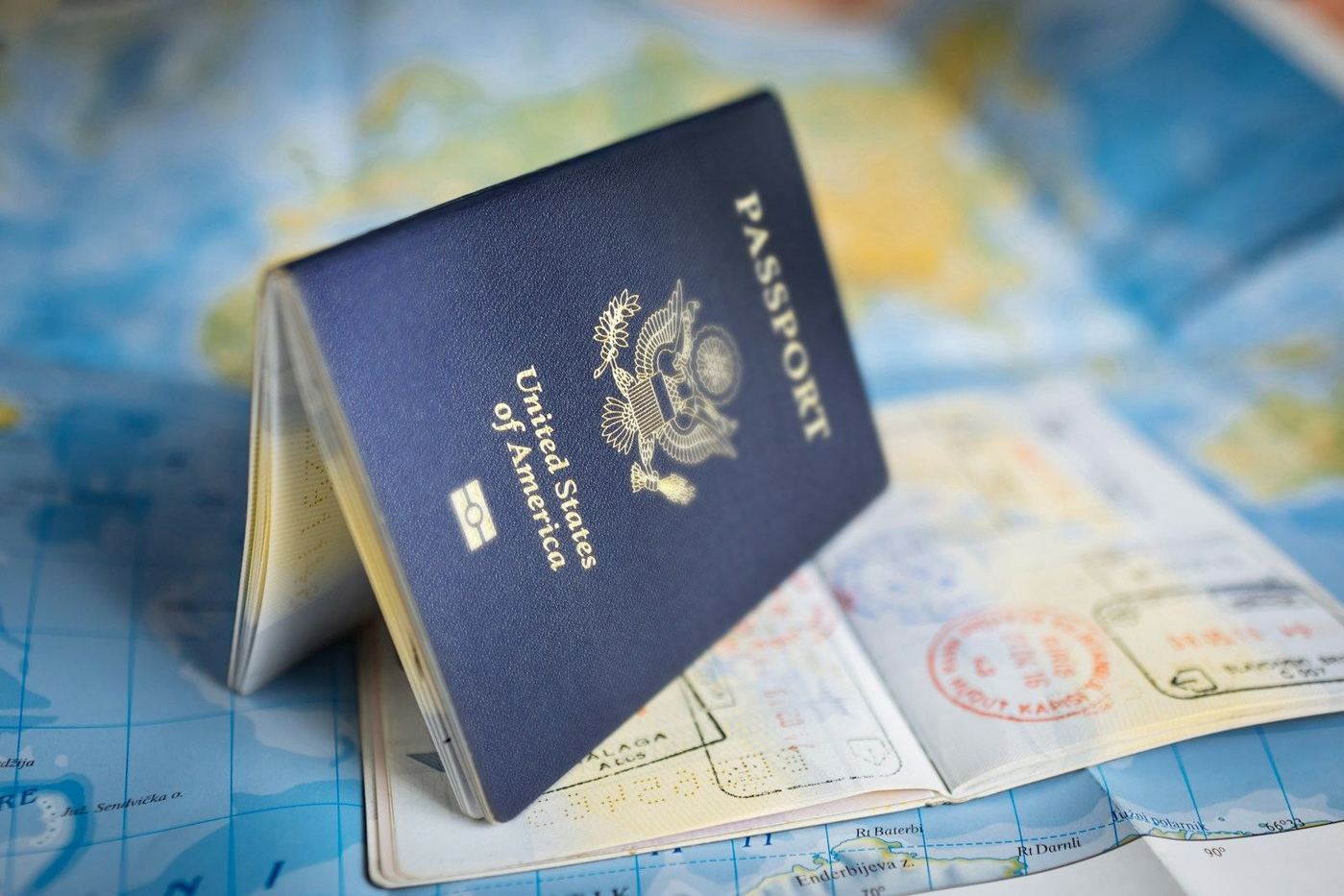
The United States State Department initiated a temporary pause on all immigrant visa applications in early August 2026. This suspension, expected to conclude by early to mid-September 2026, aims to facilitate comprehensive training for consular officials worldwide regarding new 'public charge' policy requirements.
According to a State Department official, the measure impacts individuals applying for immigrant visas from outside the U.S., particularly those seeking entry on family-based grounds, such as spouses, children, parents, or siblings of U.S. citizens. While interviews scheduled for August were not cancelled, they will be rescheduled for September, October, and November 2026.
Other immigrant visa categories, including those for workers with employer sponsorship, remain unaffected, as these applicants typically demonstrate sufficient earnings, thereby not falling under the 'public charge' classification.
New Public Charge Rule Tightens Entry Criteria
The underlying reason for the processing halt is the implementation of revised 'public charge' rules, which numerous consular officers at U.S. embassies globally had questions about.
U.S. Citizenship and Immigration Services, an agency within the Department of Homeland Security, has reinstated a regulation that could lead to the denial of green cards for immigrants who utilise public benefits, including food stamps, Medicaid, and housing vouchers.
Julia Gelatt, associate director of the U.S. immigration policy programme at the Migration Policy Institute, noted that rescheduling visa appointments presents a considerable challenge for applicants due to the difficulty of securing new slots. The duration of this pause remains a key concern, with potential for legal challenges should it extend beyond the anticipated timeframe.
Mass Revocation of Business and Tourist Visas Planned
In a separate but related development, the Trump administration is preparing to revoke up to 200,000 business (B-1) and tourism (B-2) visas issued between 2016 and 2026. This action targets foreign nationals who have applied for asylum after entering the U.S. on these temporary visas.
State Department documents, obtained by The Associated Press, and statements from two U.S. officials confirm this move, which will be coordinated with the Department of Homeland Security.
Christopher Landau, a Deputy Secretary of State, commented on 24 August 2026, that the administration views many asylum claims as 'bogus,' asserting that asylum should not serve as a loophole to circumvent immigration laws. An announcement regarding these revocations is expected in the coming weeks.
Implications for Travellers and Future Entry
This planned revocation would mark the largest single mass cancellation of visas in U.S. history. Julia Gelatt explained that the measure aims to send a clear message: the administration prioritises enforcement and discourages individuals from entering the U.S. on a tourist visa with the intention of then seeking asylum.
However, experts and immigration lawyers clarify that these revocations are unlikely to affect individuals already within the United States who have lodged asylum applications. For these individuals, their ability to remain in the U.S. depends on the status of their ongoing asylum cases, which can take years to decide, rather than on their expired temporary visas.
The State Department previously denied visas to applicants who indicated fear of returning home in April 2026. The implementation of these policies could face legal scrutiny, drawing parallels to a previous policy that halted visa issuance from 75 countries between January and mid-August 2026, which a court subsequently overturned.
Get The Post.
The global travel stories that matter, three mornings a week. Free.