Tashkent Opens New Islamic Civilisation Centre
Tashkent's new Islamic Civilisation Centre, which opened in March, features the seventh-century Uthman Quran. The facility combines a research library, digital learning hub, and museum, enhancing Uzbekistan's cultural standing.
Uthman Quran Anchors New Tashkent Centre
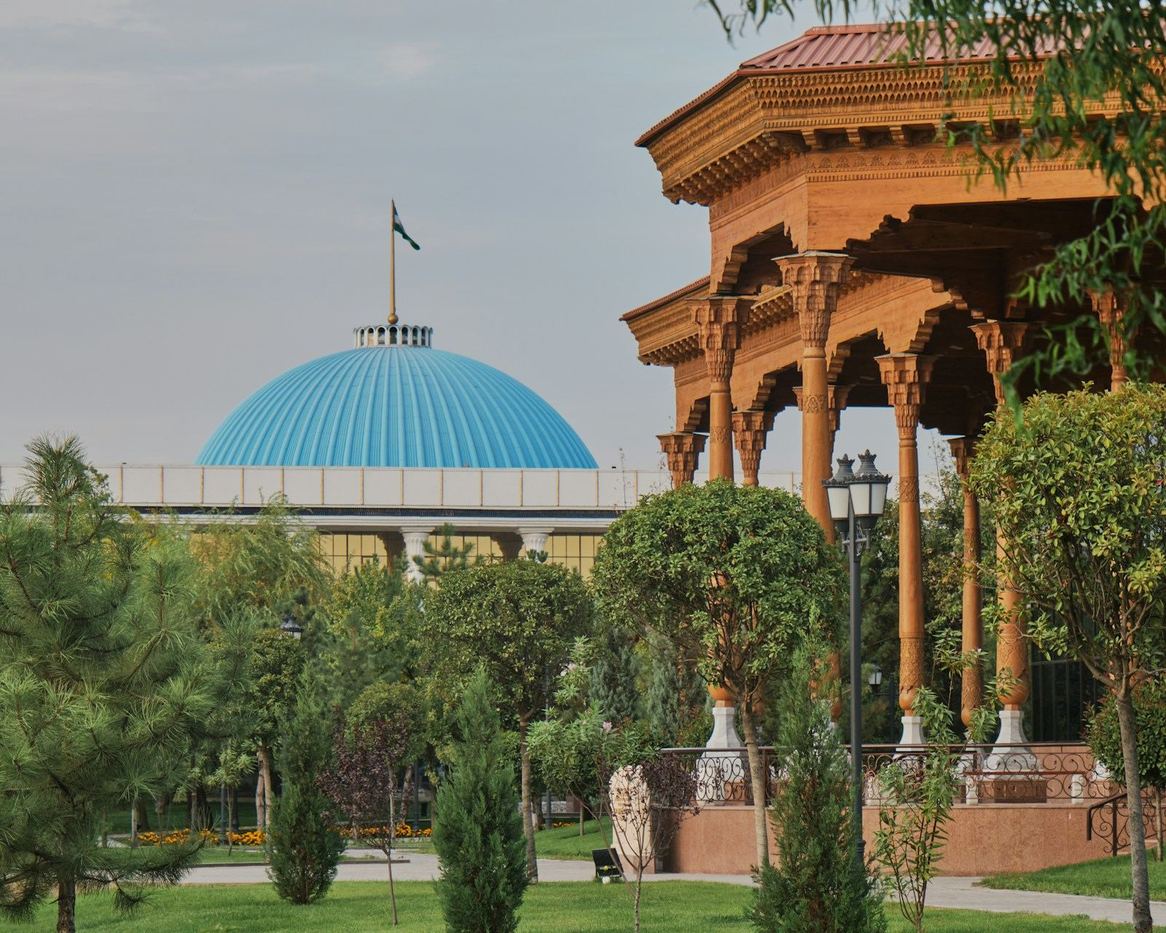
Tashkent's Islamic Civilisation Centre opened in March 2026. It sits on the Hazrati Imam ensemble grounds. This 25-acre architectural site includes a historic mosque and madrassa. The centre's main exhibit is the Uthman Quran. This seventh-century manuscript is written in Kufic script. It rests on gazelle parchment. The Quran Hall features a 213-foot dome.
Lapis-lazuli-inlaid steps lead to the text. Portuguese pink marble adorns the walls. Eight silk carpets with Quranic verses hang there. Guards protect this ancient Quran. A sound-and-light show, using over one million Swarovski crystals, fills the hall. This display anchors a significant cultural project in Central Asia. It visually engages visitors with a sacred text. The centre reinforces Uzbekistan's cultural prominence.
Comprehensive Cultural and Research Hub
Beyond the Quran Hall, the centre functions as a comprehensive research library. It also serves as a digital learning hub. The facility is the world's largest museum dedicated to Islamic civilisation. Its exhibitions trace Uzbekistan's history. They cover pre-Islamic cultures and Silk Road exchanges. The displays extend through the Timurid period and into the modern era.
Interactive exhibits and rare manuscripts are present. Newly repatriated artefacts also form part of the collection. Objects include a 10th-century Samanid silver tray. A copper inkwell and Baburid armour are also shown. A silk covering from the Prophet's tomb in Medina is featured. Bactrian-period gold pieces from the Amu Darya Treasure are exhibited.
These items collectively demonstrate the region's historical role as an intellectual crossroads. The centre offers deep insights into its cultural evolution.
Uzbekistan's Rising Cultural Profile
The centre's opening aligns with Uzbekistan's rising design profile. Growing interest in ikat, suzani, and ceramics fuels this trend. A new wave of arts investment supports this cultural growth. This includes the Bukhara Biennial. The forthcoming Centre for Contemporary Arts Tashkent is another project. Tadao Ando's planned National Museum of Uzbekistan also contributes.
These developments enhance the country's broader cultural ambition. The Quran Hall specifically demonstrates this national commitment. It presents a detailed encounter with a sacred text. This text connects centuries of faith, scholarship, and craft. It also links closely to Uzbek identity. This investment shows a clear intent to elevate the nation's cultural standing. It positions Uzbekistan as a key player in regional arts.
Implications for Global Travel and Research
The Islamic Civilisation Centre significantly enhances Tashkent's appeal to international travellers. It positions Uzbekistan as a key destination for cultural tourism. Travellers interested in Islamic heritage will find the exhibits compelling. Scholars and researchers gain a new, extensive resource. The centre strengthens the country's profile in Central Asian tourism.
It offers deep insights into regional history and spiritual traditions. Future visitor numbers to Tashkent may increase due to this attraction. This growth will support local tourism infrastructure and services. The centre encourages longer stays in the capital city. It complements other cultural sites across Uzbekistan, creating a cohesive travel narrative. This initiative aims to broaden the nation's global cultural footprint.
Get The Post.
The global travel stories that matter, three mornings a week. Free.